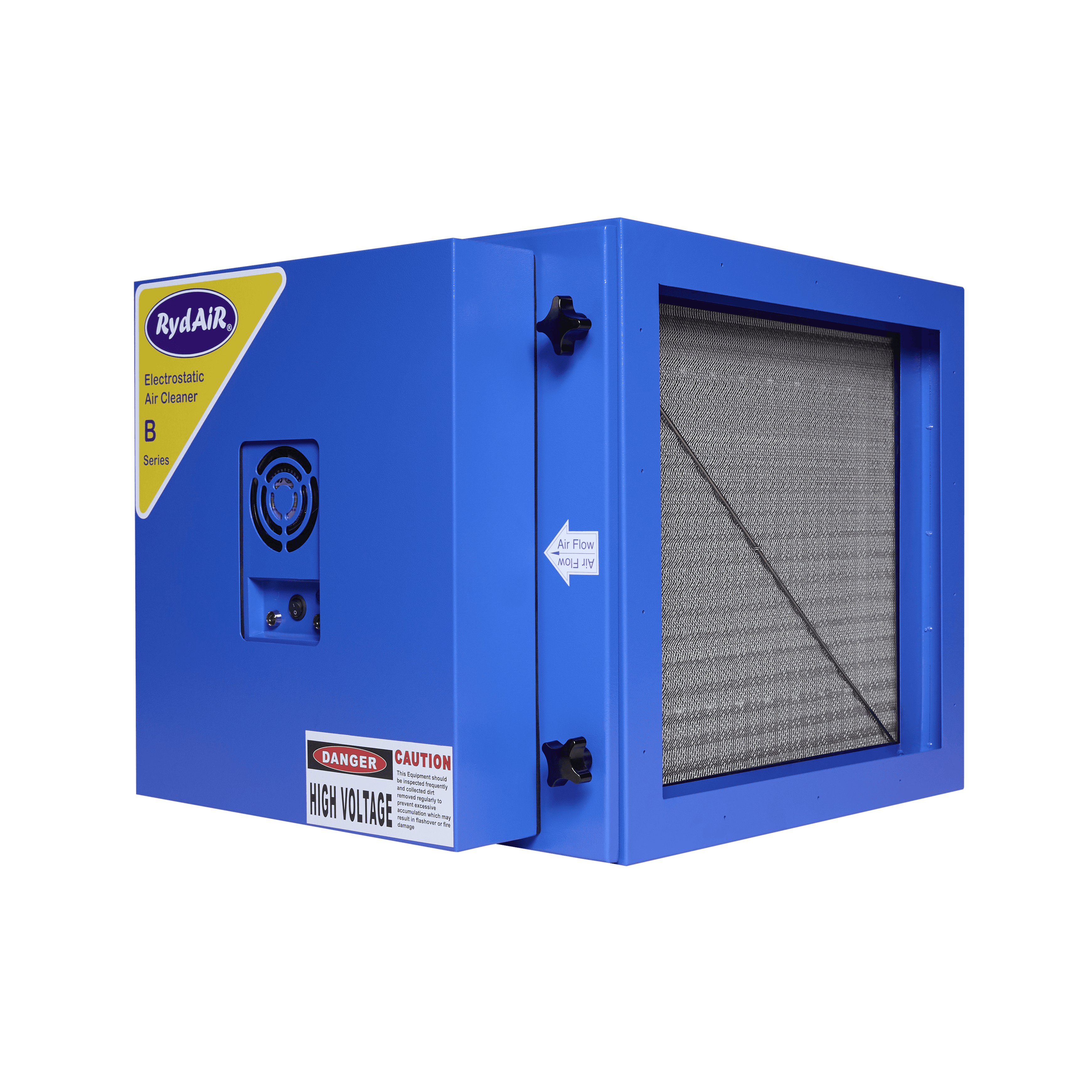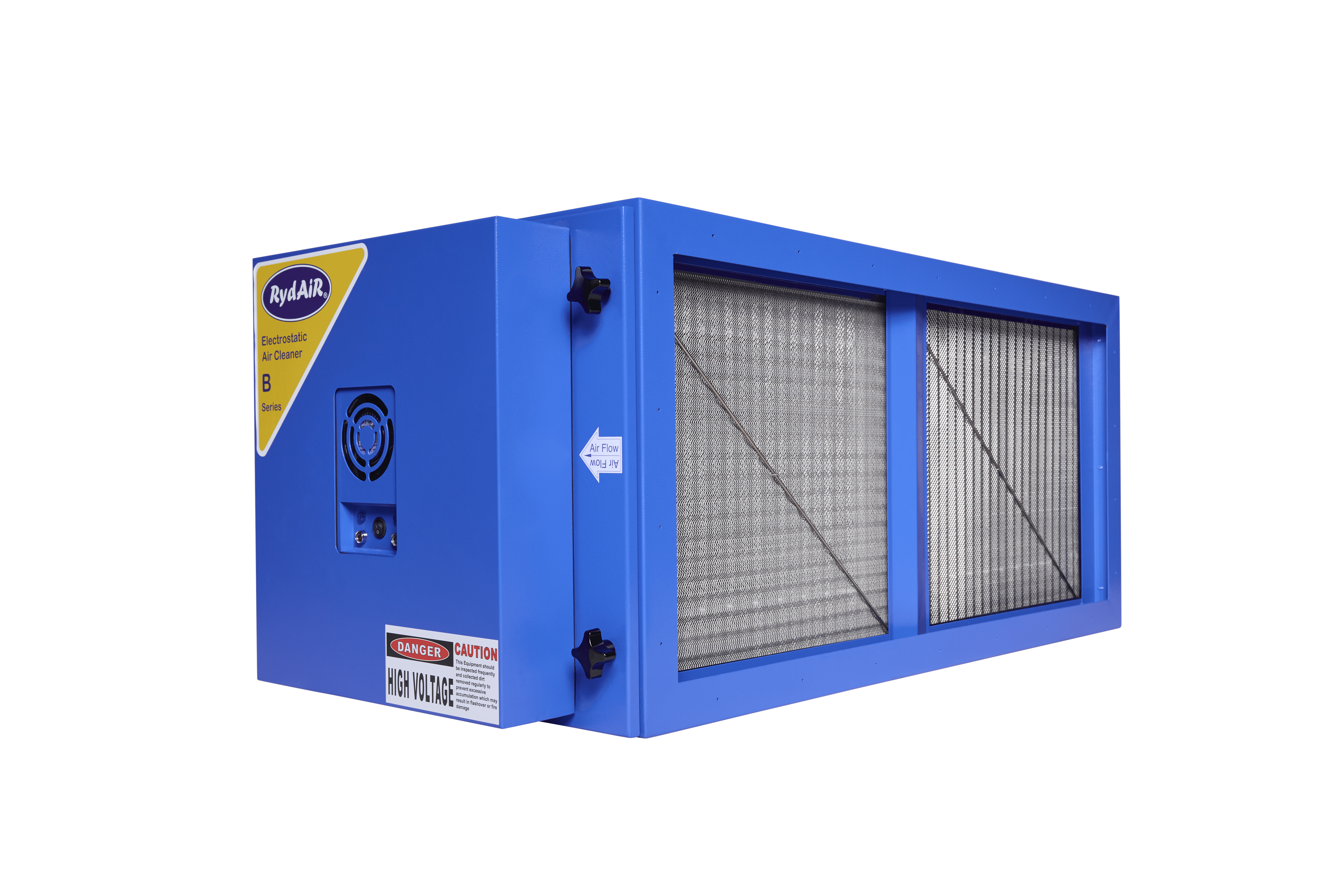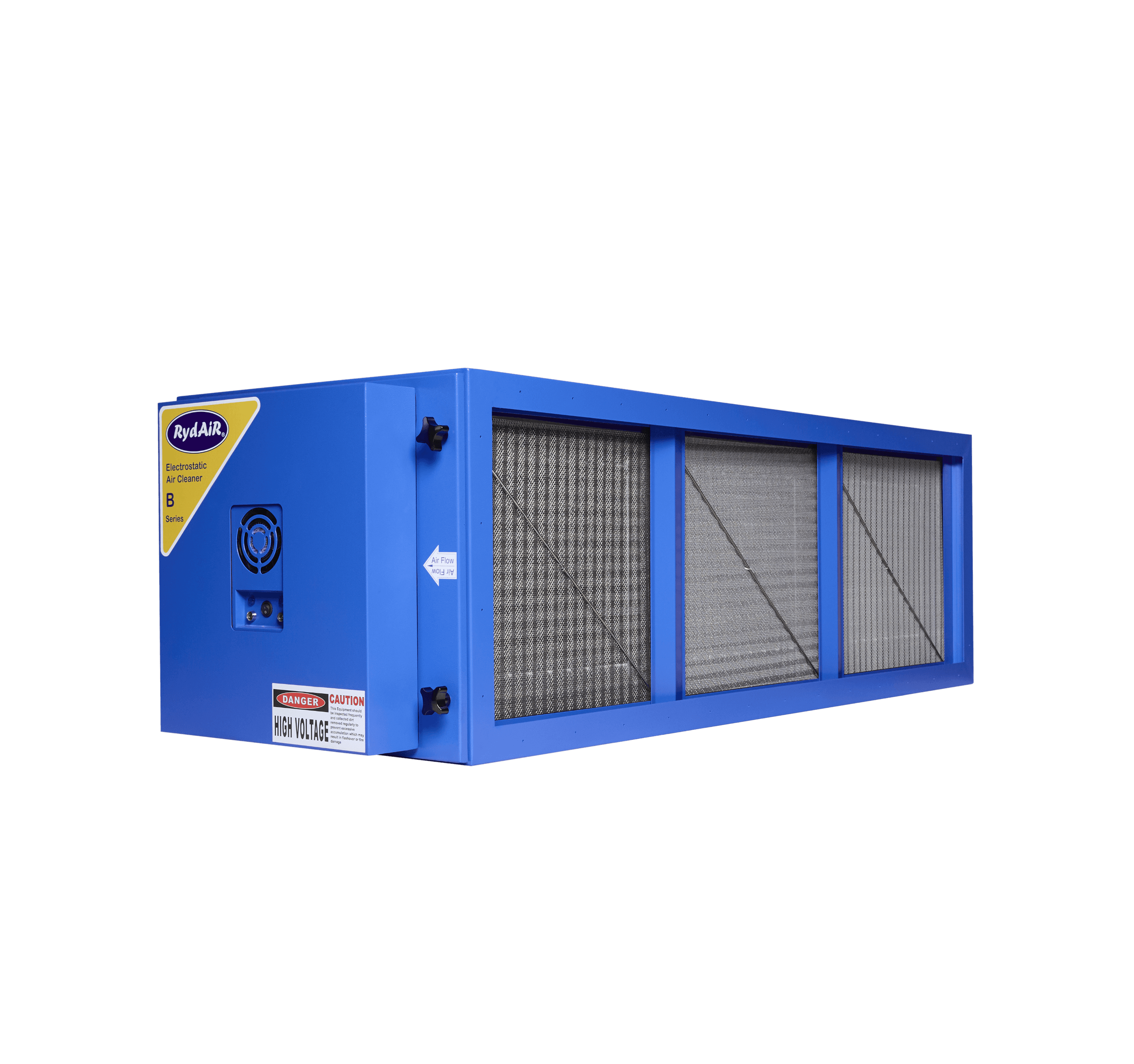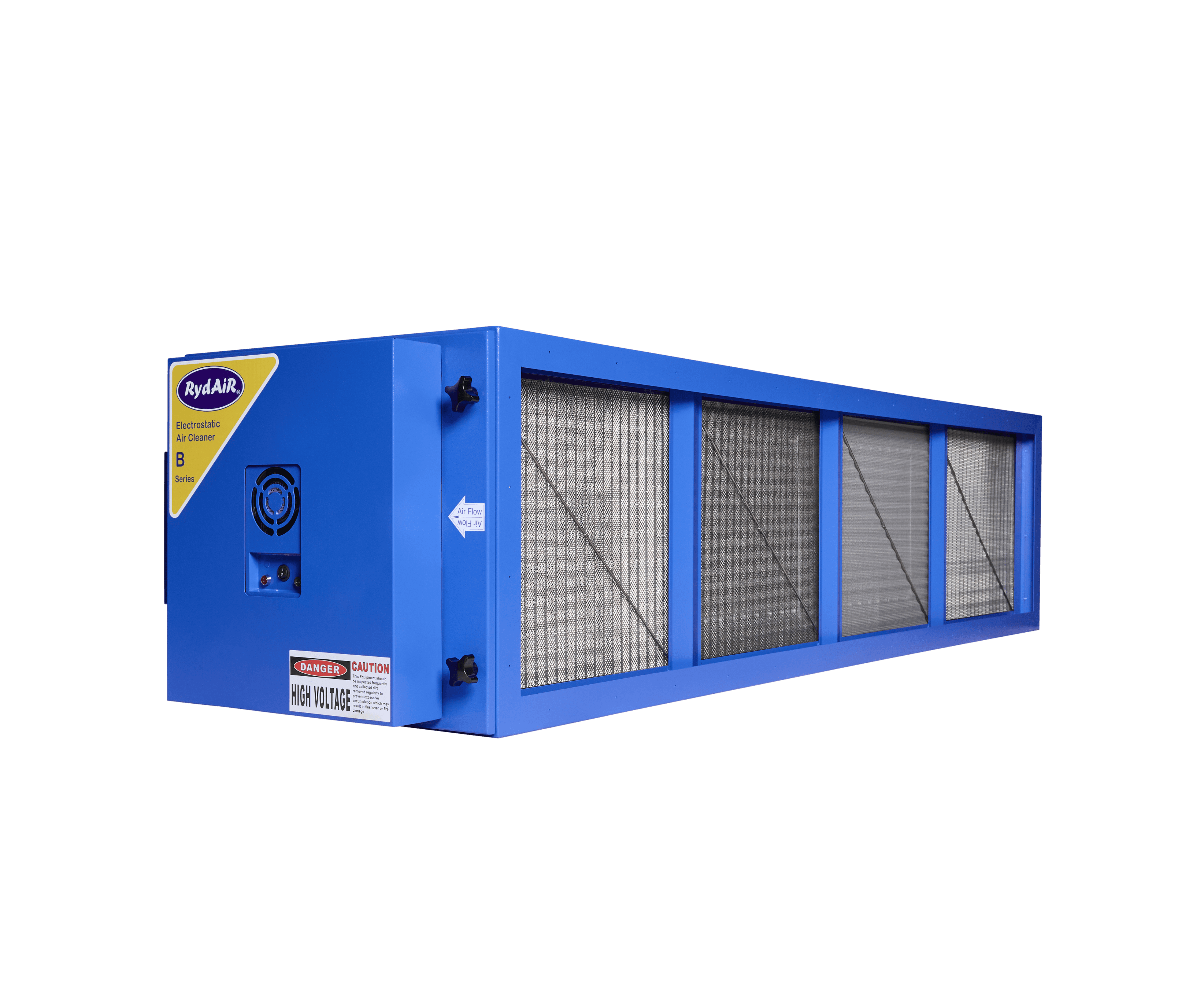
EX20 & EX40
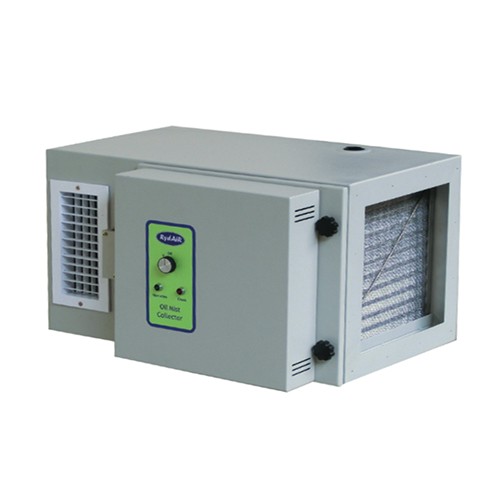
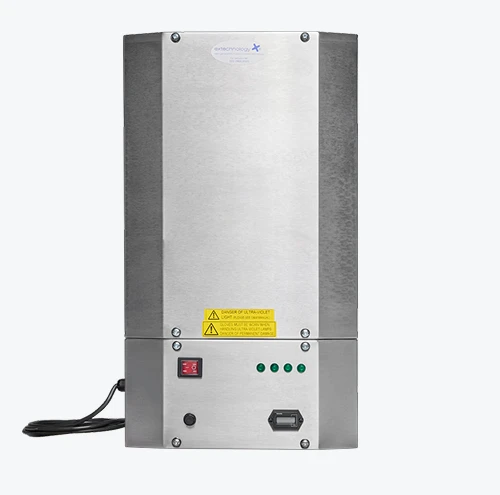
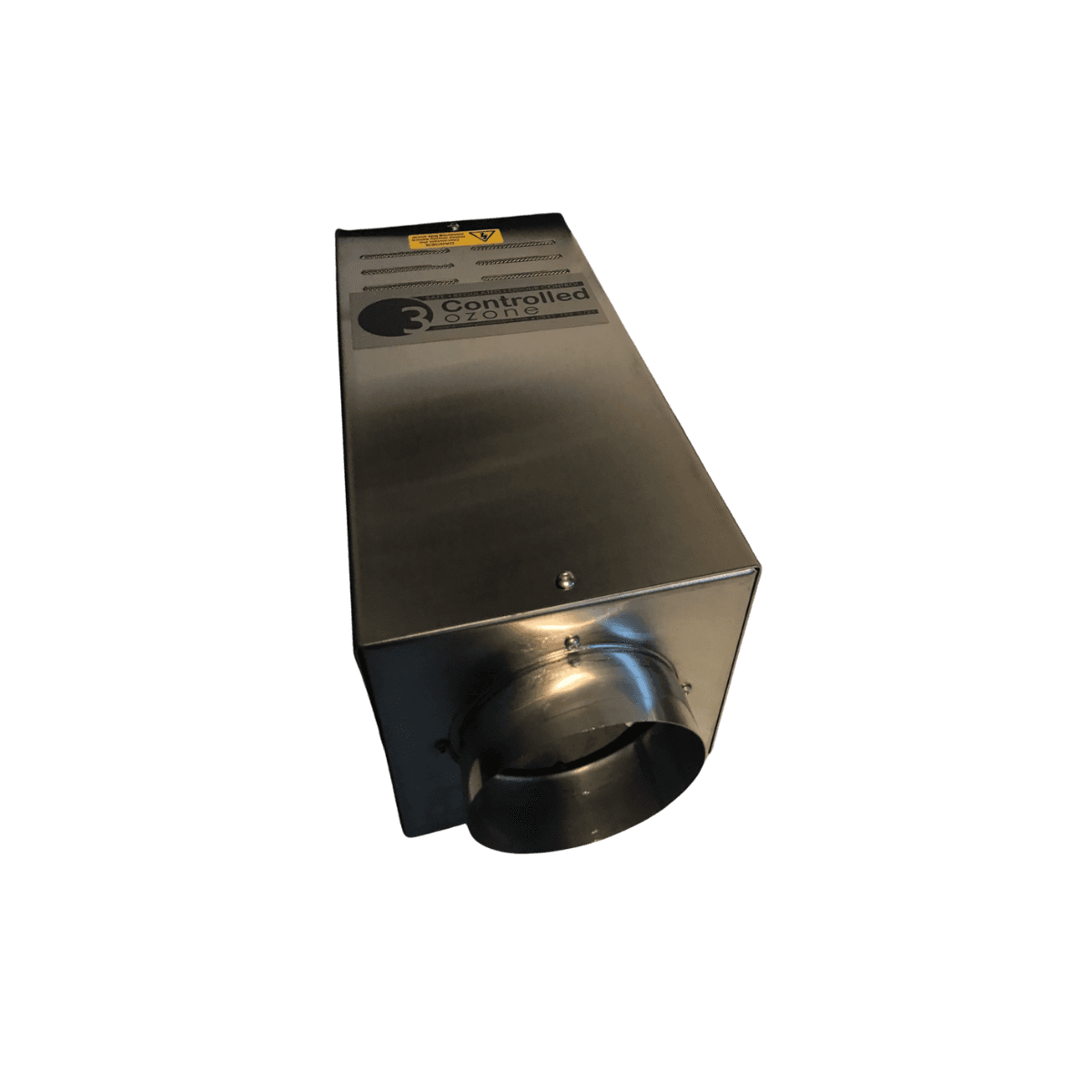
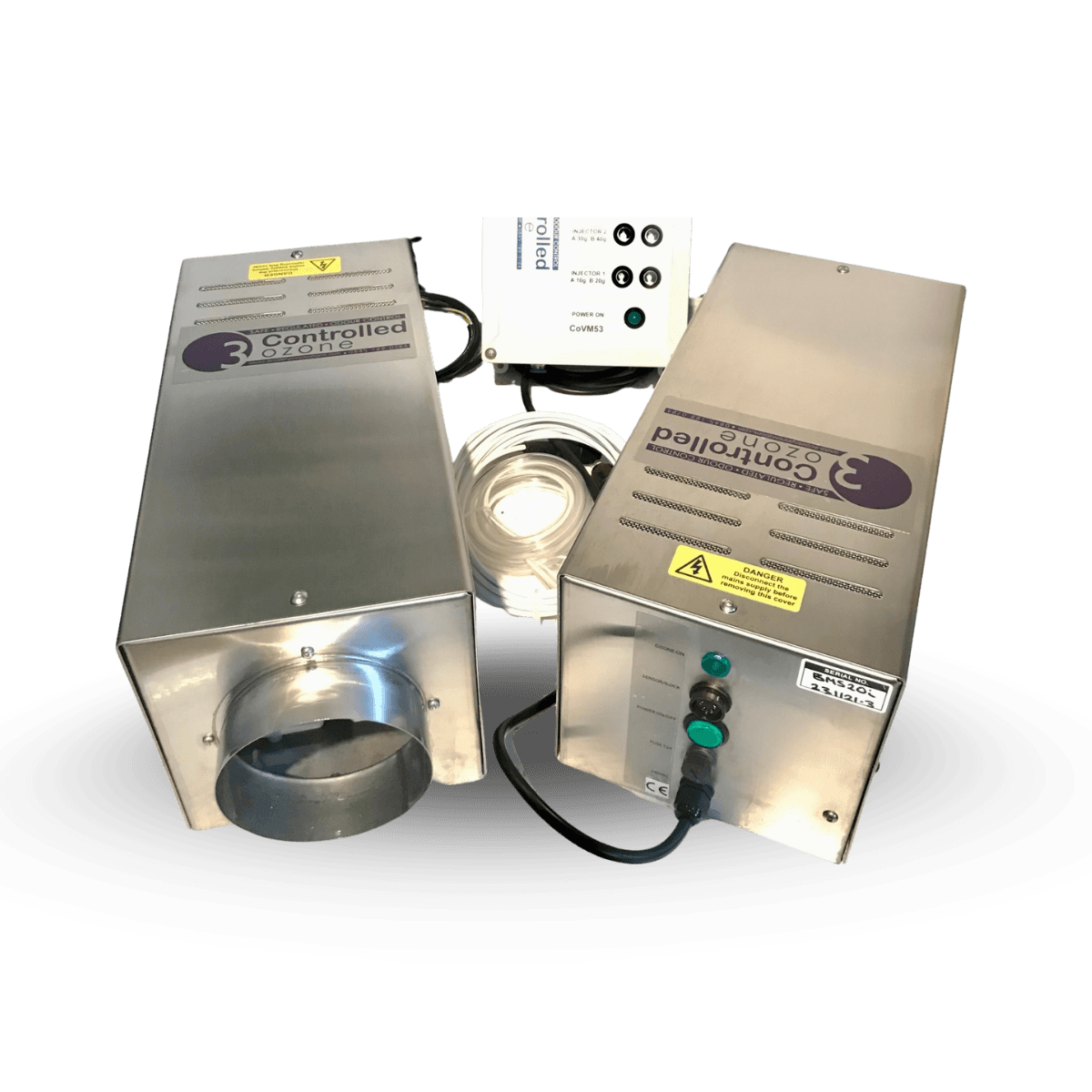
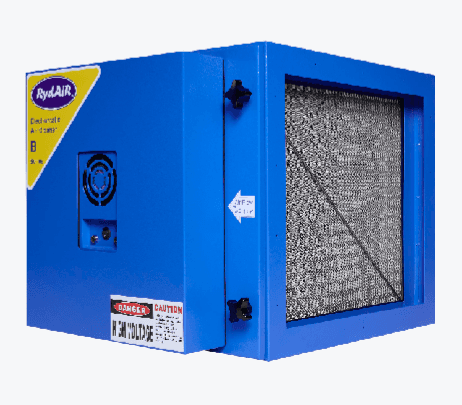
Entry-level ozone injection for commercial kitchen extract, sized at 20 g/hr and 40 g/hr. The EX20 treats extract volumes to 1.9 m3/s and the EX40 to 3.8 m3/s. Ozone is generated from ambient air by corona discharge and injected into the canopy plenum or the first run of ductwork, where it oxidises the organic particulate that carries cooking odour. A built-in air pressure switch holds production off until the extract fan runs, and the unit sits outside the airstream, so there is no added pressure drop and no change to your fan selection. Browse our other ozone solutions: EXS200 & EXS400 and EXM200 & EXM400.
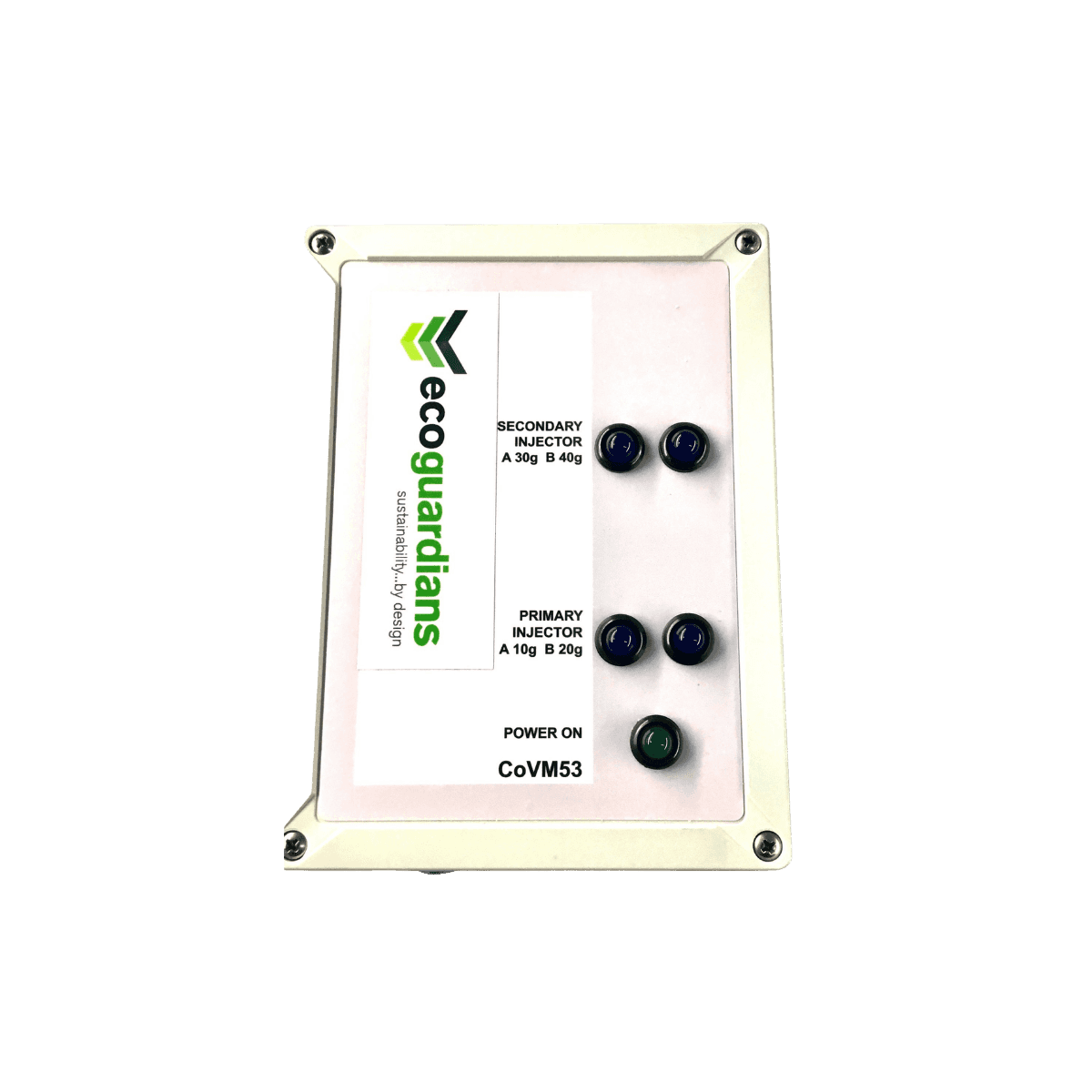
Duct connection 100mm circular. Electrical supply 240V, 1-ph, 50/60Hz, one supply per injector. Pressure drop none. Power on and ozone on indicators. External 4-pin connector for a safety interlock or external ozone monitor.
Trusted by Commercial & Industrial Leaders







Detailed Technical Information, Compliance & Performance Data

Duct connection 100mm circular. Electrical supply 240V, 1-ph, 50/60Hz, one supply per injector. Pressure drop none. Power on and ozone on indicators. External 4-pin connector for a safety interlock or external ozone monitor.
Understanding System Performance in Real Applications
How it's works
An electrical discharge inside the injector splits oxygen molecules in the ambient air into single atoms, which bind to other oxygen molecules to form ozone. That ozone is fed into the extract airflow through a 100mm spigot. Ozone cannot be stored, because it reverts to oxygen on contact with the atmosphere, so it has to be produced on site and on demand.
In the duct it reacts with the odorous compounds in the cooking emissions and oxidises them into compounds with much weaker odour characteristics. The particulate carrying the smell is destroyed, so the odour does not reappear further down the airflow. Masking agents work the other way, and the smell returns once the agent disperses.
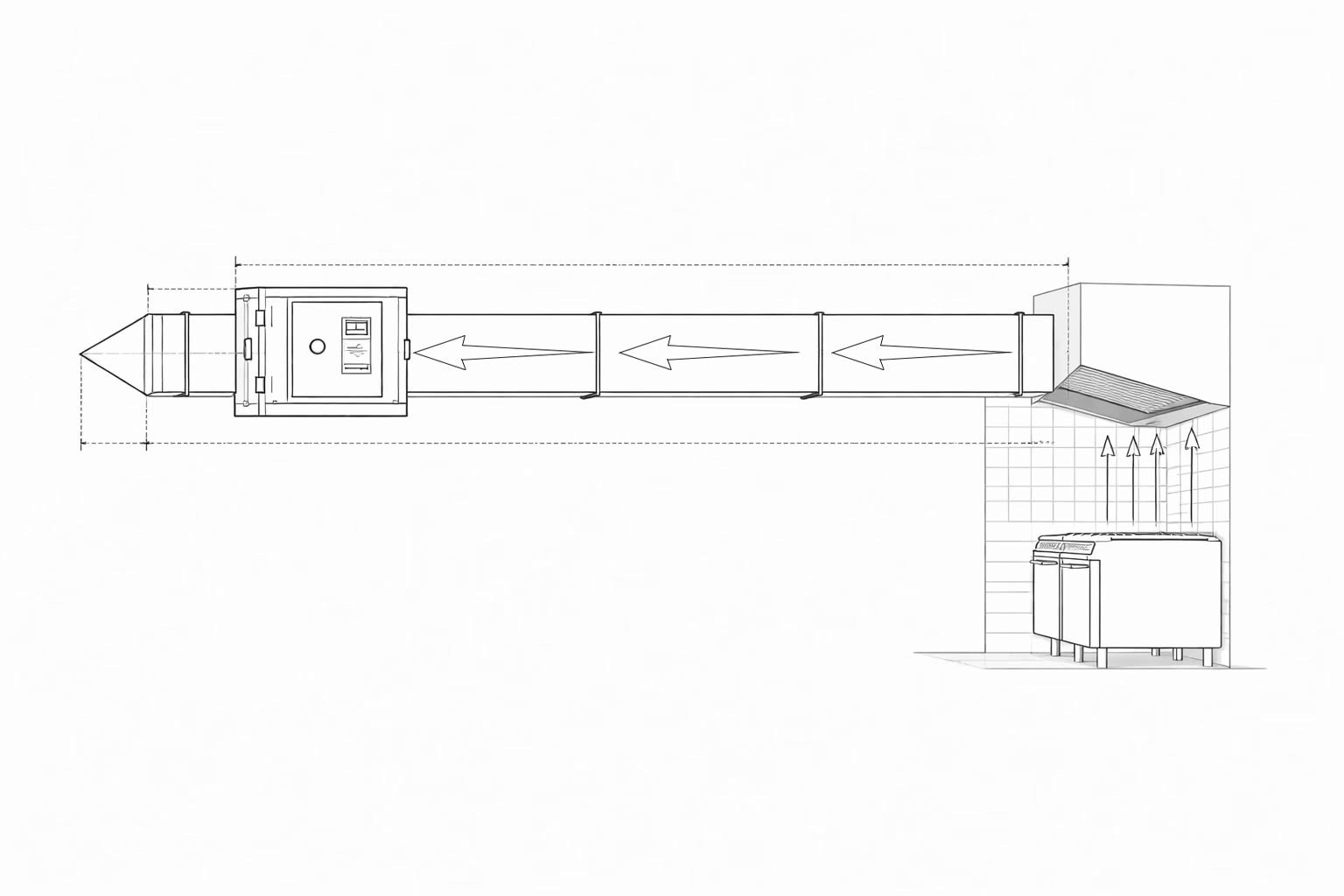
EX20 & EX40
- Notes
on
Application
Designed for single-canopy kitchens and smaller extract systems where the discharge point sits away from occupied premises.
Commonly specified downstream of grease filtration on restaurant, pub and takeaway extract.
Suitable for sites that need odour reduction without a separate control panel or discharge monitoring.
Sized on extract volume: up to 1.9 m3/s takes the EX20, up to 3.8 m3/s takes the EX40.

Is the EX20 or EX40 suitable for my type of commercial kitchen?

Both suit restaurants, pubs, cafes, takeaways and hotels with a single canopy or a modest extract system. The deciding factor is extract volume and where the duct discharges. Up to 1.9 m3/s takes the EX20 and up to 3.8 m3/s takes the EX40. Where the discharge sits close to windows, air intakes or neighbouring premises, we would point you at the EXS or EXM range instead, because those control ozone production against measured conditions.
Can the EX20 or EX40 be used in non-kitchen environments such as factories or industrial premises?
What problems does the EX20 or EX40 solve?
Will the EX20 or EX40 help with planning approval or environmental health requirements?
Do you work with local authorities, consultants and contractors?
Industries We Design For
Each system is engineered around real-world airflow, contaminant and compliance requirements.