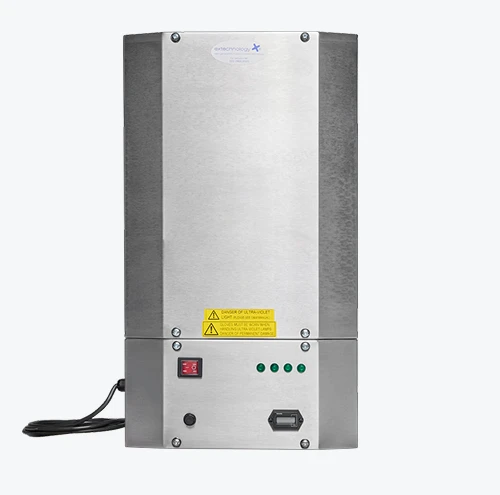
Electrostatic Precipitator
RB1000
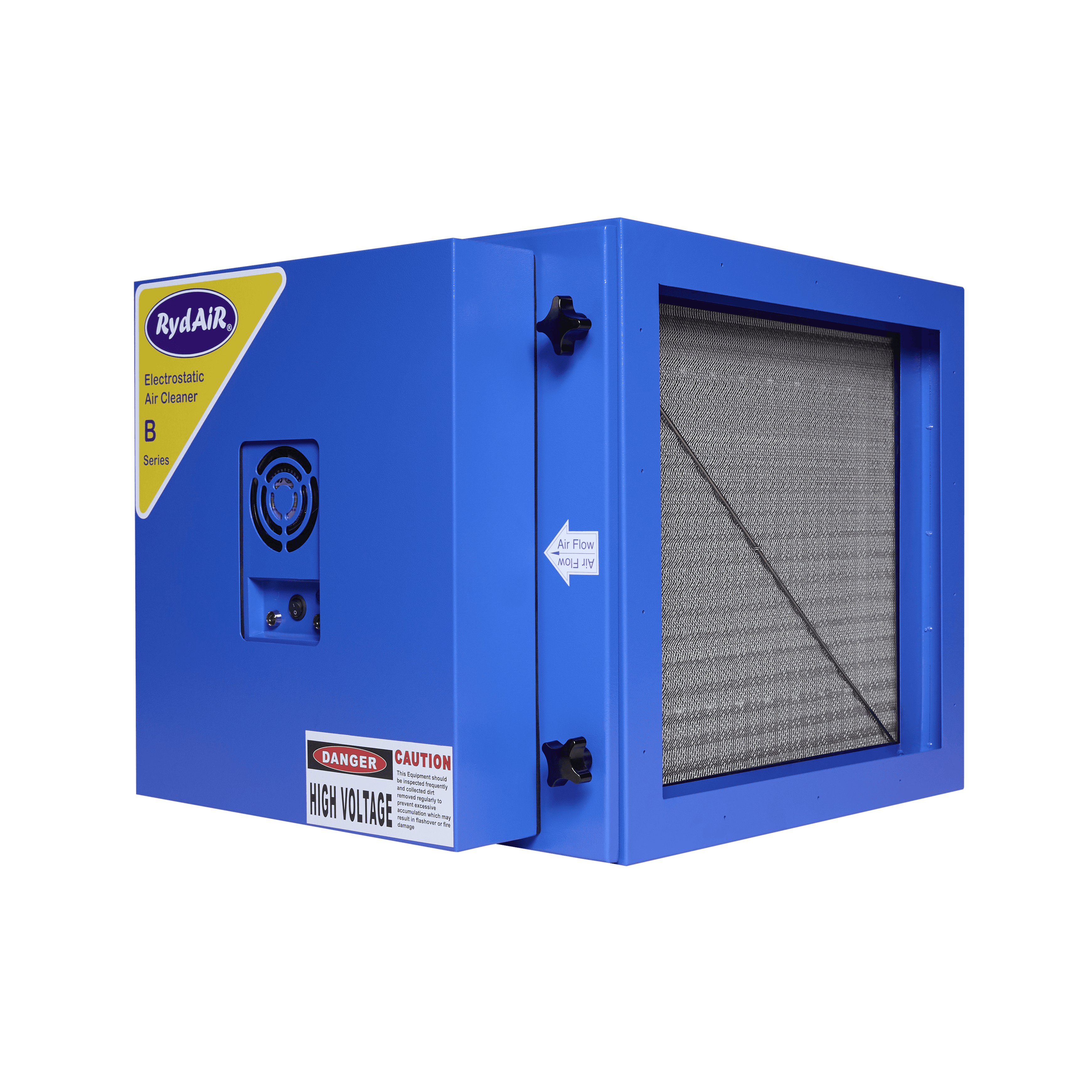
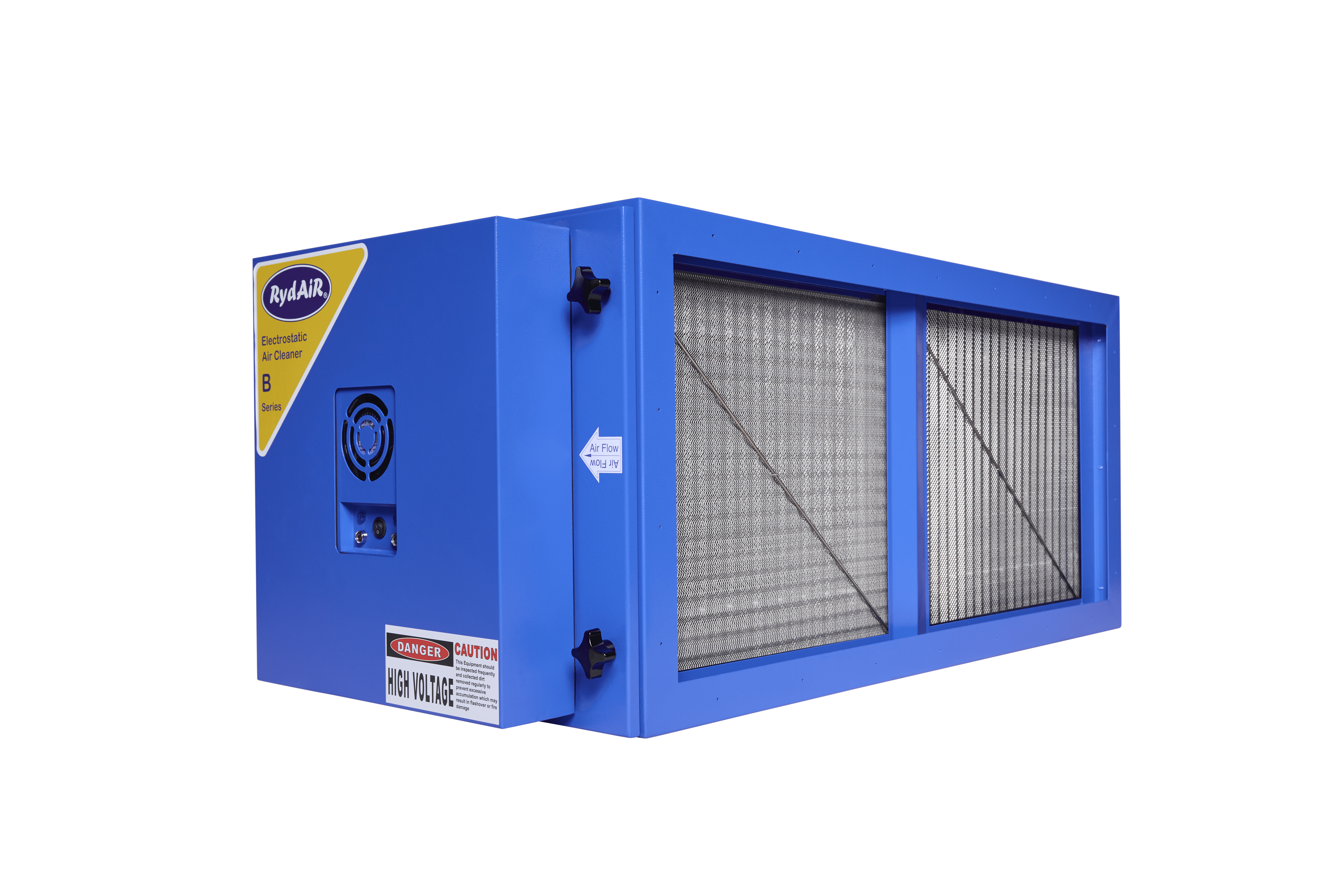
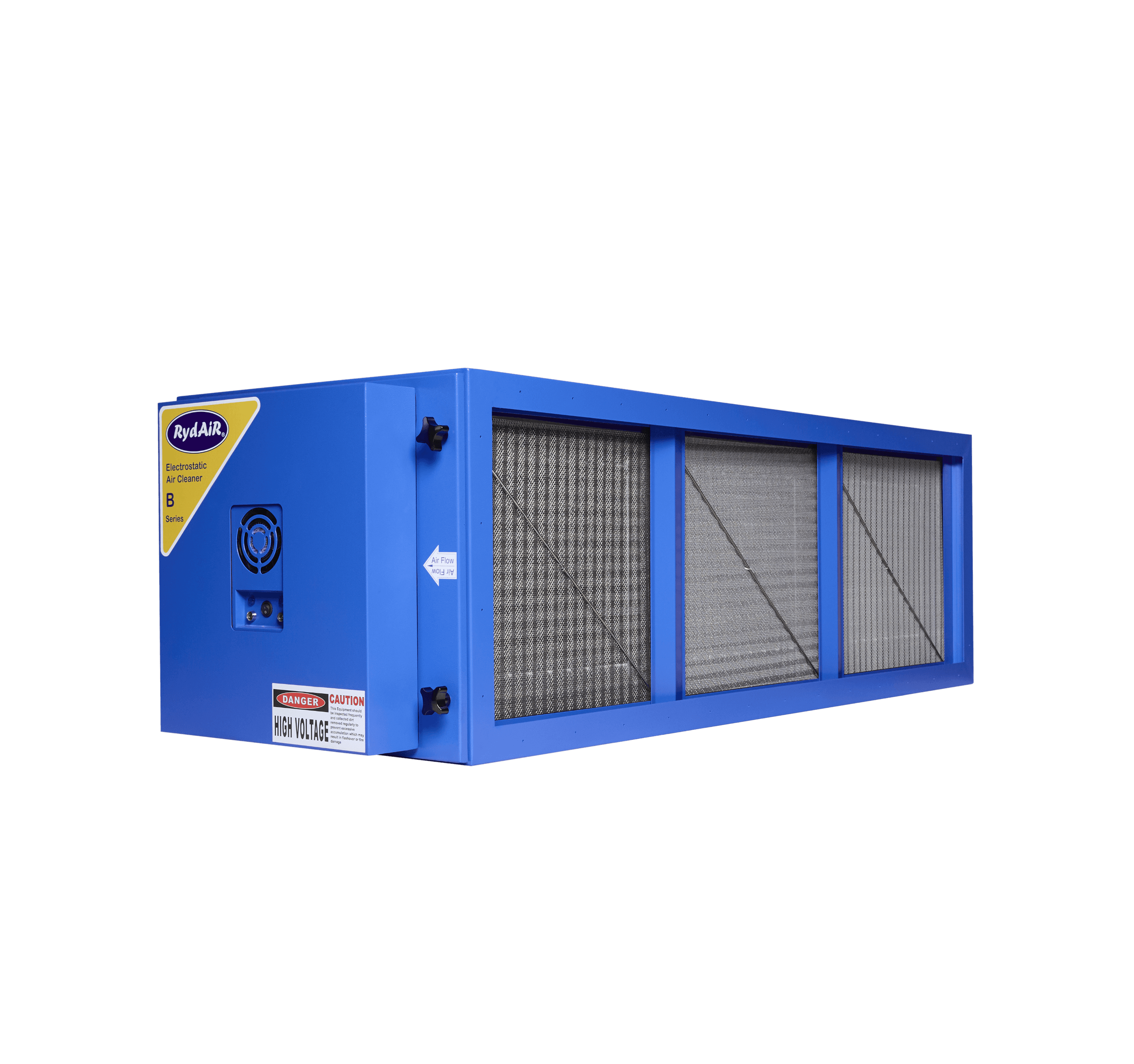
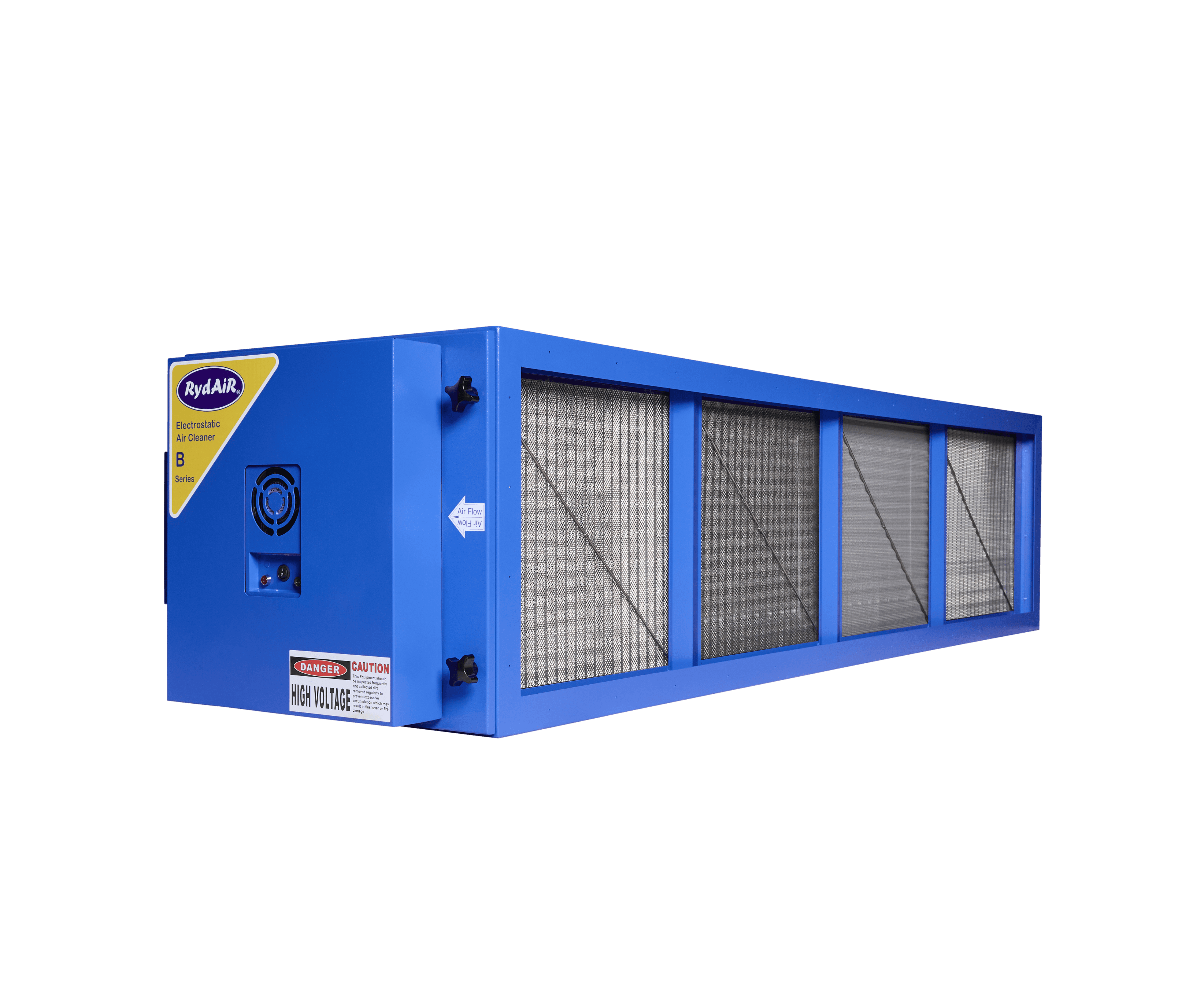
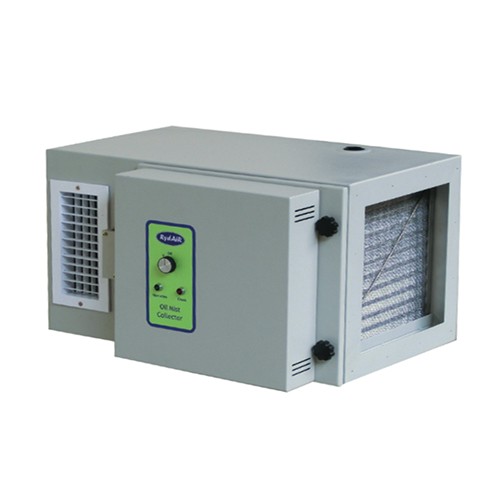
The RB1000 is a compact, industrial-grade electrostatic air cleaner with an integrated blower, rated at a single-speed 1000 CMH. It's built for industrial and manufacturing extract where a self-contained filtration unit is needed without the ductwork and separate fan of a full inline system. It collects dry and wet particulates — dust, oil mist, welding and process fume, and airborne fines — from 0.01 to 10 microns at up to 95% efficiency, removing them from the air stream before discharge.
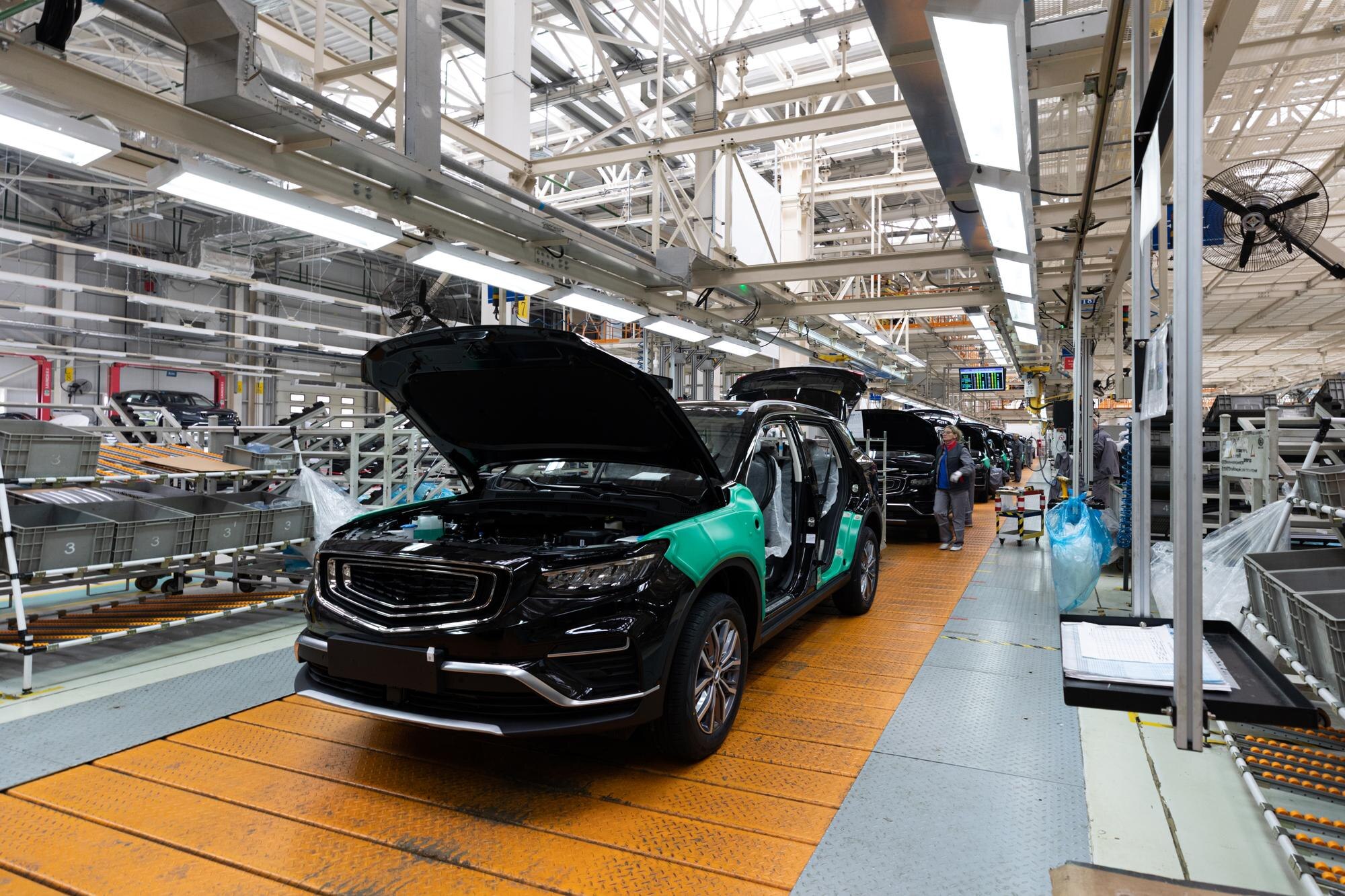
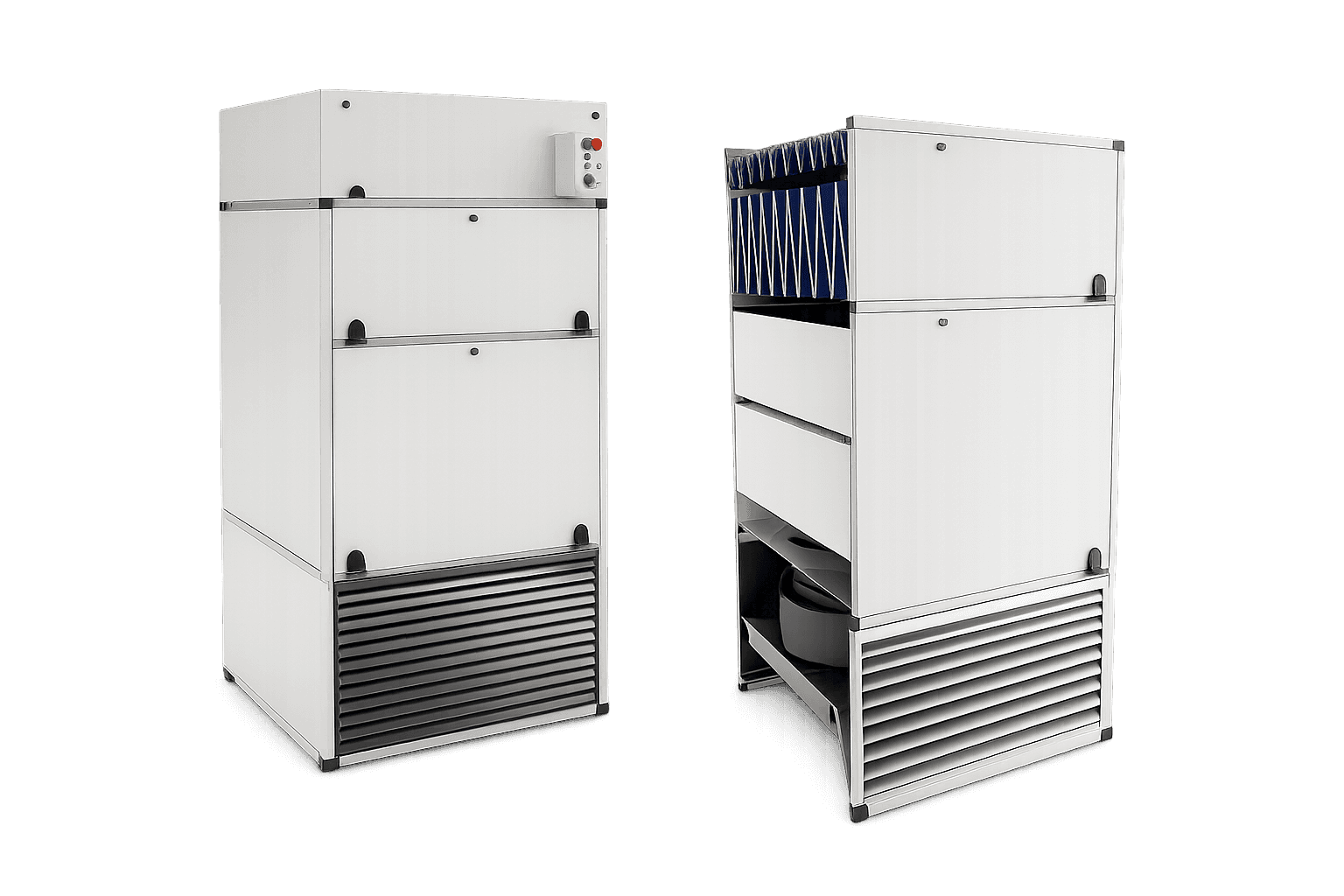
Typical applications include factories, workshops, CNC and machine shops, metalworking cells, welding and finishing areas and production lines. The RB1000 is trusted by install contractors, consultants, plant and facilities managers across UK industry. For a smaller footprint with variable airflow, see the RB700; for larger ducted extract systems, browse RY2500B, RY5000B, RY7500B & RY10000B.
Specifications - RB700
Air volume (rated max)
1000 CMH, single speed
Static pressure (external)
100 Pa
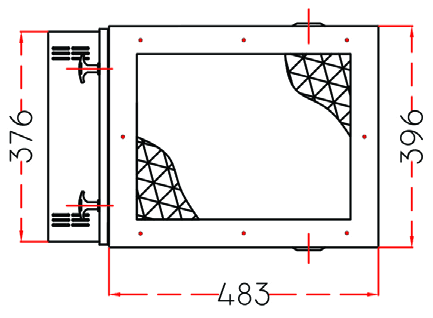
Dimensions (H x W x L)
396 x 582 x 797 mm
Weight
50 kg
Cabinet
Galvanised steel, 1.4mm
Finish
Powder coated, blue
Voltage / power
220–240VAC, 50/60Hz, 350W
Ionising voltages
High voltage 12KVDC | Low voltage 6KVDC
Air flow direction
Right to front, left to front
Power supply
High-frequency solid state, self-regulating
Features
Short circuit and arc protection with auto restore; automatic cut-off when door is opened; LED wash indicator
Particle size
0.01 to 10 microns
Efficiency
Up to 95%
Blower
Double inlet, centrifugal type
No. of cells / cell weight
1 / 11 kg
Installation
Ceiling suspended or frame mounted
Trusted by Commercial & Industrial Leaders







Detailed Technical Information, Compliance & Performance Data

Understanding System Performance in Real Applications
How it's works
Air is drawn in by the unit's own double-inlet centrifugal blower and pre-filtered before passing through the electrostatic collection cell. Particulates from 0.01 to 10 microns are electrically charged at 12KVDC and drawn onto oppositely charged collection plates at 6KVDC, capturing dust, oil mist and fume at up to 95% efficiency with a low, stable pressure drop — so airflow doesn't fall away as the cell loads, the way it does with disposable media. The high-frequency solid-state power supply is self-regulating, with short-circuit and arc protection, auto-restore, an automatic cut-off when the door is opened, and an LED indicator that tells you when the cell needs washing.

RB1000
- Notes
on
Application
Suitable for machine cells, workshops and production areas with extract requirements up to 1000 CMH.
Self-contained with an integrated blower — no separate extract fan required, making it a strong fit for retrofits, leased units and plant with no existing extract provision.
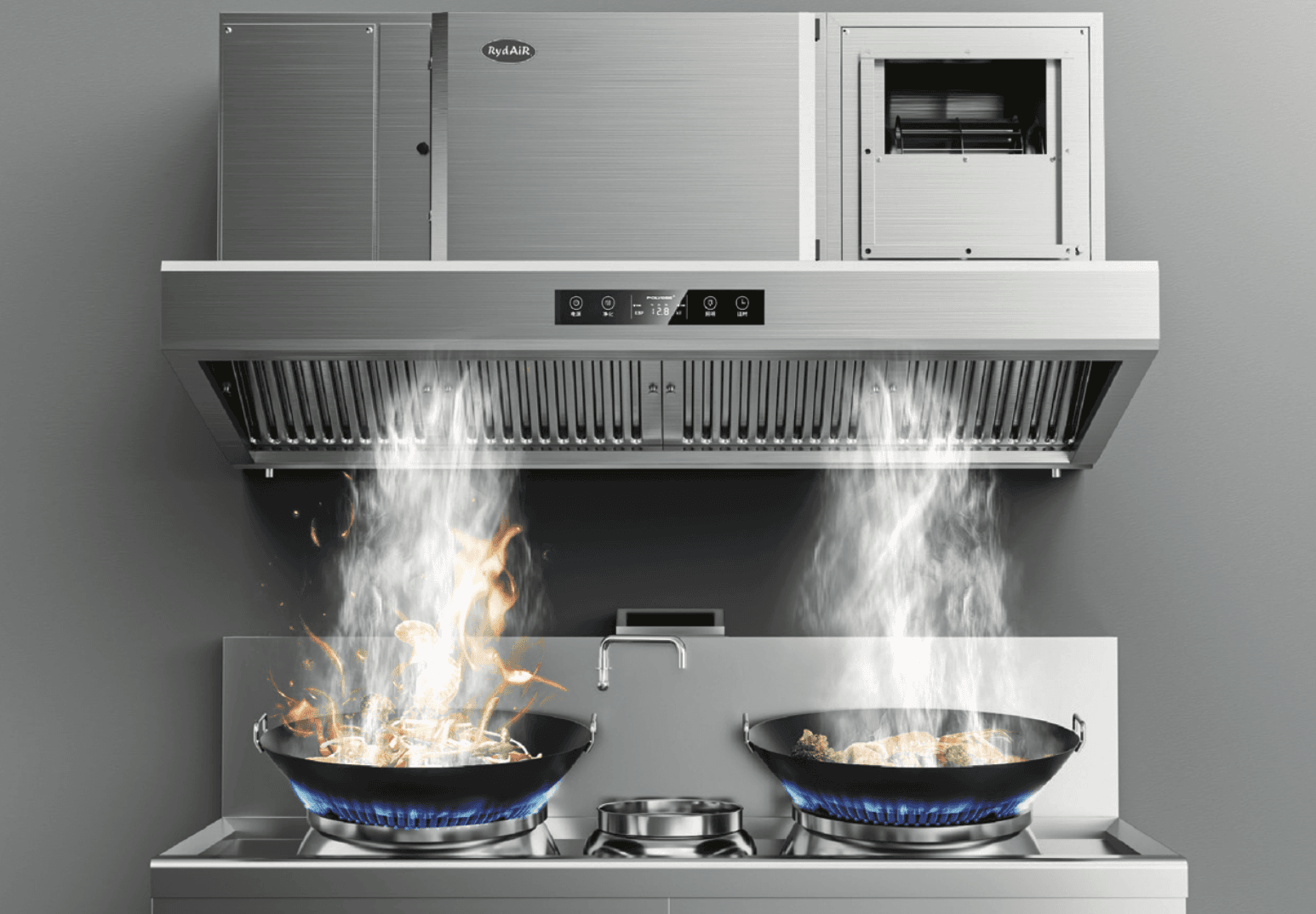
Specified across factories, CNC and machine shops, metalworking, welding and finishing areas for dust, oil mist and process fume collection.
Typically installed as the primary particulate filtration stage; can be paired with downstream carbon filtration where process odour or VOCs also need treating.
Washable collection cells mean no recurring media spend — a lower running cost than bag or panel filtration on continuous-duty applications.
Is the RB1000 suitable for my application?

The RB1000 suits machine cells, workshops and production areas where the extract requirement sits at or below 1000 CMH — factories, CNC and machine shops, metalworking and grinding, welding and finishing areas, and light industrial process lines. Suitability depends on contaminant type, air volume, duty cycle and discharge location, all of which we assess before recommending a unit. Above 1000 CMH, our ducted RY range is the correct selection.
What contaminants does the RB1000 remove?
What's the difference between the RB1000 and the RB700?
What problems does the RB1000 solve?
Does the RB1000 help with COSHH or LEV requirements?
Do you work with consultants, contractors and facilities teams?
Can the RB1000 be retrofitted to existing plant?
How is the RB1000 sized for my site?
What's involved in installing the RB1000 and how long does it take?
What maintenance does the RB1000 require?
Consultants & Specifiers
Industries We Design For
Each system is engineered around real-world airflow, contaminant and compliance requirements.