Controlled ozone
Kitchen odour, treated before it leaves the duct.
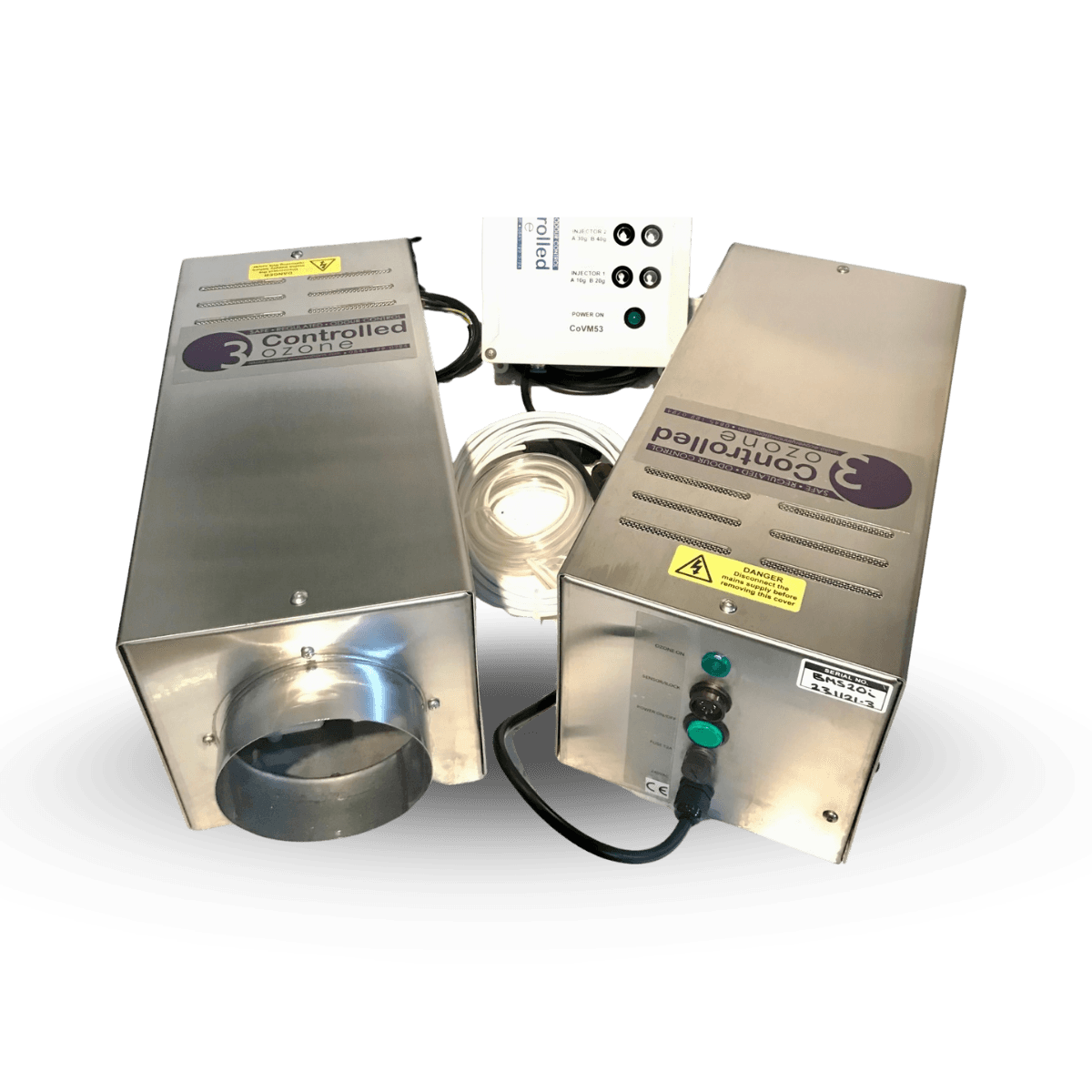
Ozone injected into your extract breaks down cooking smells at source. Output follows the airflow, and nothing is produced unless the extract fan is running.
No UV lamps or fluids
Stock held in the UK
Serviced by our own engineers
The problem
Most odour complaints start at the discharge
Filters and ESPs take smoke and fat out of the airstream. Much of the smell is gas, and gas goes straight through. Ozone treats it while it is still inside the duct.
Flats above or beside
Residential windows near the discharge, where even a faint smell gets noticed and reported.
A neighbour has complained
Once environmental health is involved, the fix has to work the first time they check.
A planning odour condition
Consent granted on the basis that odour is controlled, & the extract design has to show how.
Tight urban discharge
Short duct runs and discharge points close to pavements and neighbouring buildings.
How it works
Follow the air from cook line to duct
Ozone is made from ambient air and injected as close to the cooking as possible, where it oxidises the compounds that carry the smell.
Why controlled ozone
Ozone that follows the cooking load
Static units run at one output whatever the kitchen is doing. Controlled ozone adjusts to the airflow, so it uses less power at quiet times and still keeps up at full service.
Output matched to airflow
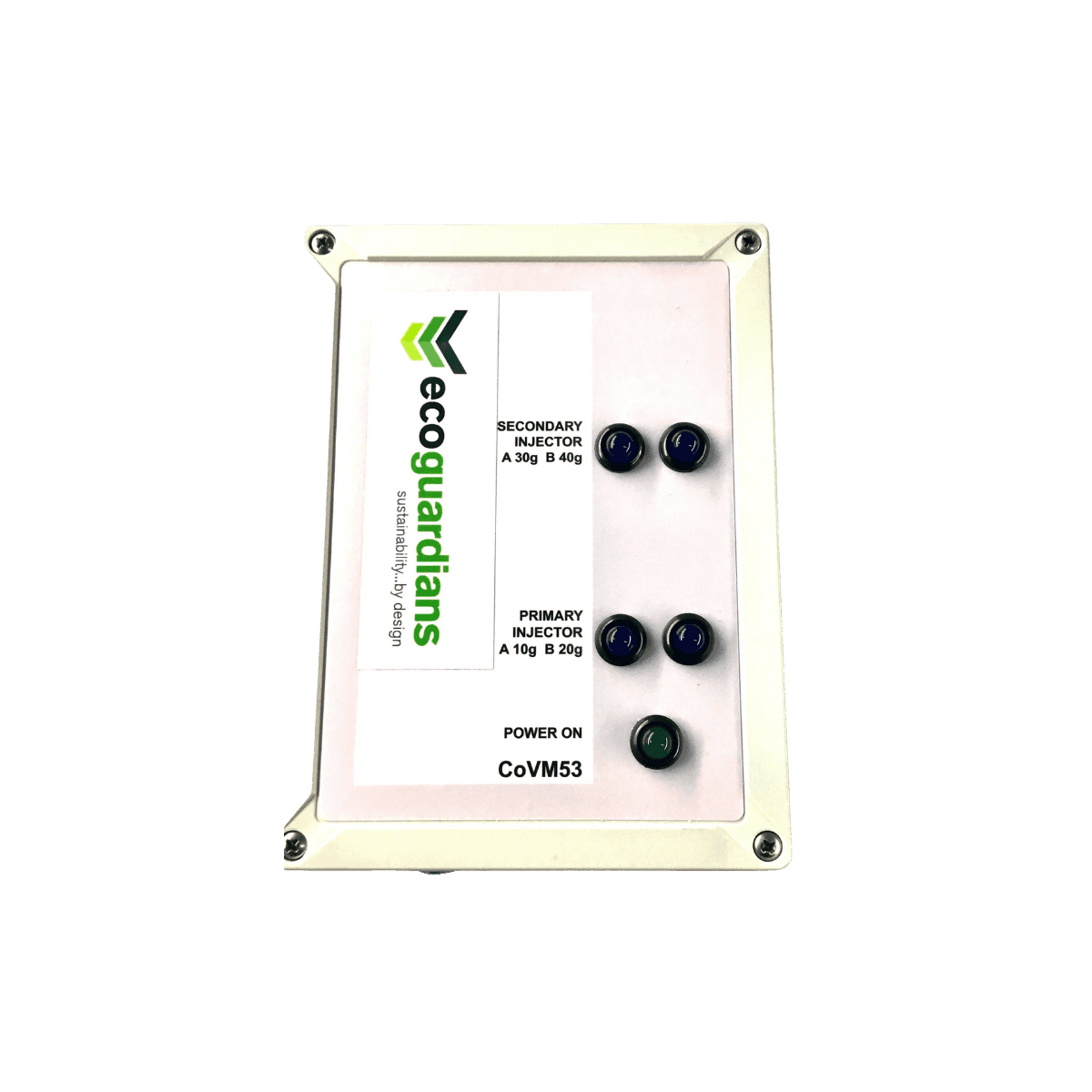
Set from the air volume in the duct and falling back when the kitchen is quiet. Based on industry guidance of 1 g of ozone per 0.09 m³/s at 1.5 seconds dwell.
80% odour neutralised*
Runs only with the extract
A pressure switch proves airflow before any ozone is made. Fan stops, ozone stops.
No lamps or fluids
Nothing for grease to coat and nothing to top up, so output stays constant and servicing is quick.
Energy saving
Output varies on demand, a considerable saving over static units.
New build or retrofit
Mounts on canopy or ductwork with no increase in pressure drop.
Choose a system
Two ways to control ozone
Both set output from the airflow in the duct. The EXM models add a second check at the discharge.
Airflow controlled
EX controlled ozone
For kitchens with a varying load, such as restaurants and hotels where cooking peaks at service.
EX20
20 g/hr
up to 1.9 m³/s
EX40
40 g/hr
up to 3.8 m³/s
EX60
60 g/hr
up to 4.7 m³/s
Control
Air pressure switch, interlocked to airflow
Discharge monitoring
Can be added to the EX40 and EX60

TWIN controlled
EXM monitored ozone
For sites where the discharge itself is the risk, such as a flat above the kitchen or a planning consent with an odour condition.
EXM400
40 g/hr
up to 3.8 m³/s
EXM600
60 g/hr
up to 4.7 m³/s
Control
Air pressure switch plus discharge monitor
Discharge setpoint
Factory set 0.05 ppm, adjustable to 0.025 ppm
Sizing
Start with your extract volume
Drag to your fan duty for a starting point. Send us the drawing and we will confirm the specification.
or EXM400 with discharge monitoring.
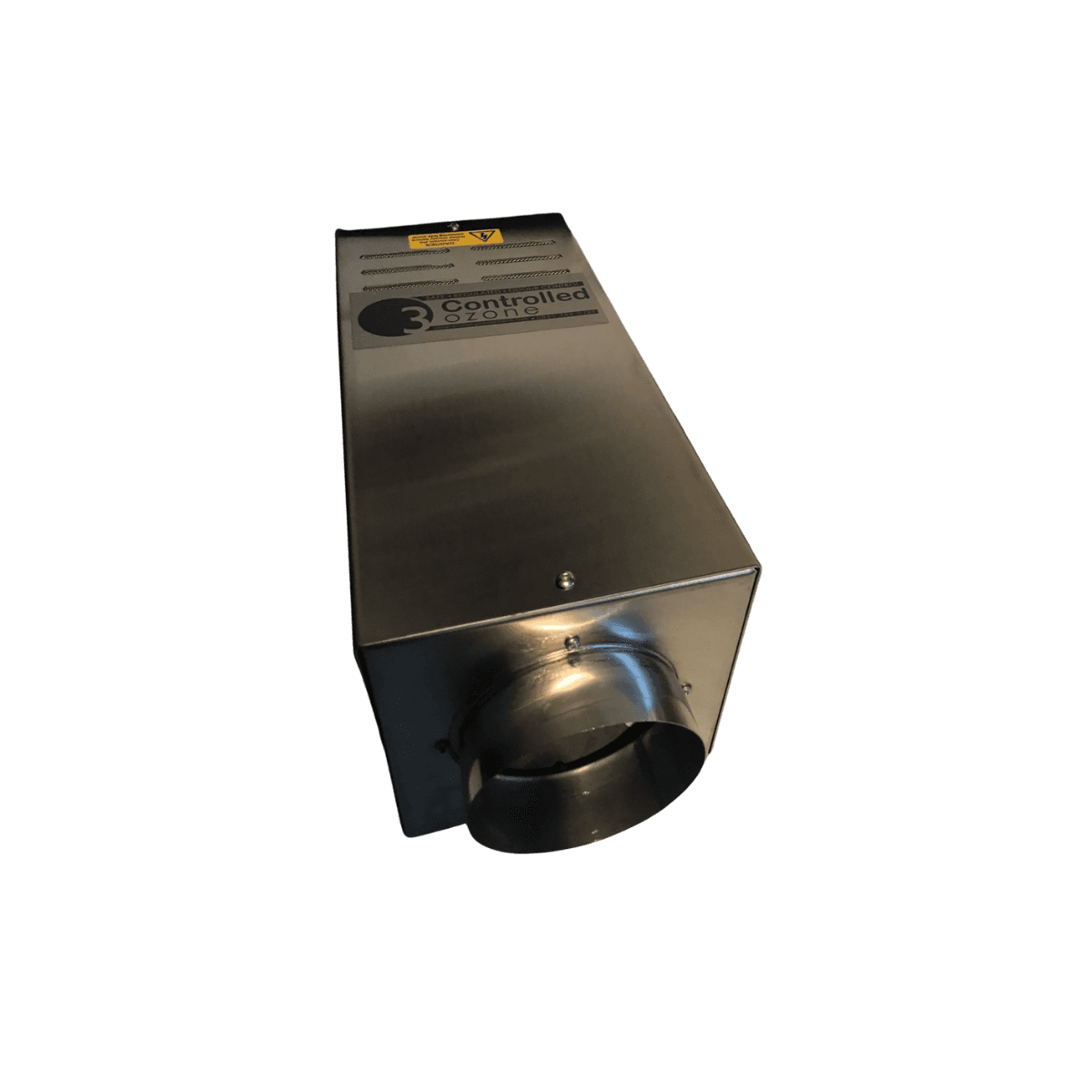
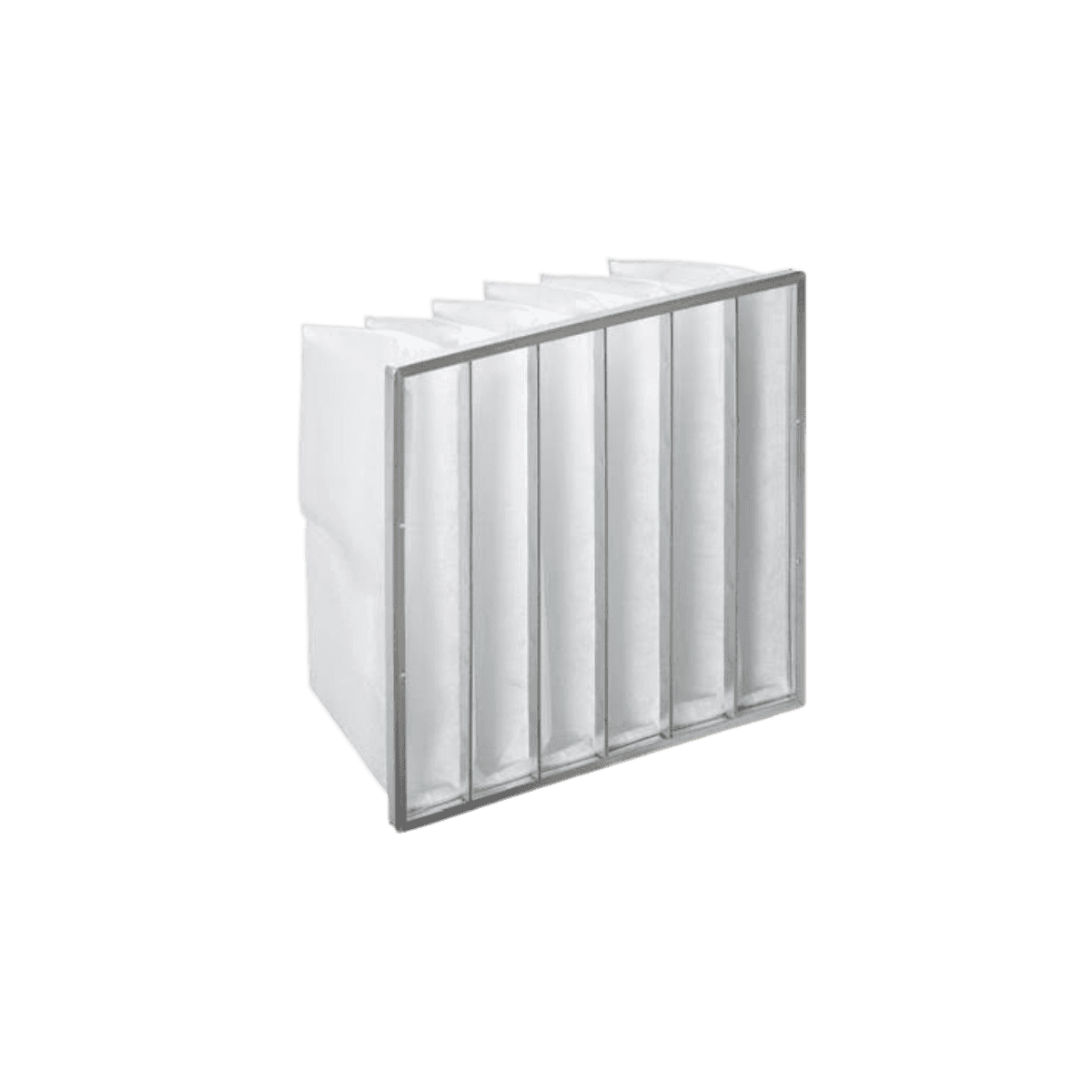
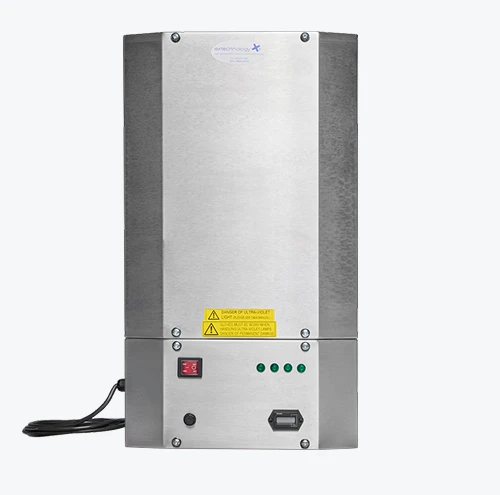
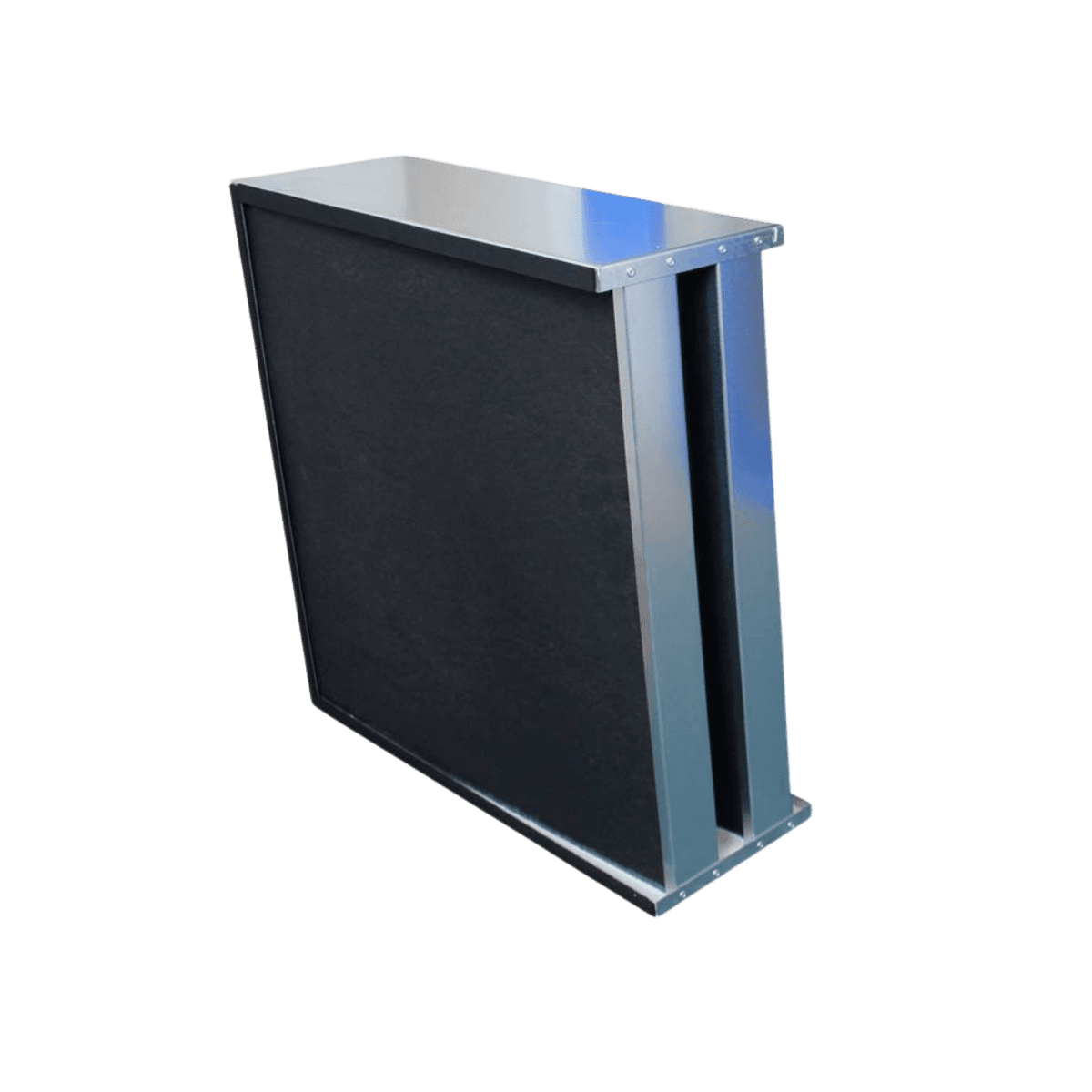
The full ozone range







Safety
Controlled in the duct, checked at the discharge
Ozone does its work inside the duct. The controls are there to keep what leaves it low.
" transform="translate(4 4)" width="24px"/></g></svg>)
Interlocked to the extract
Air pressure switches mean no ozone is made unless air is moving.
" transform="translate(4 5.333)" width="24px"/></g></svg>)
Monitored at the discharge
On EXM models, a monitor reads leftover ozone continuously and cuts production at the setpoint.
" transform="translate(4 4)" width="24px"/><path d="M 0 4 C 0 6.209 1.791 8 4 8 C 6.209 8 8 6.209 8 4 C 8 1.791 6.209 0 4 0 C 1.791 0 0 1.791 0 4" fill="transparent" height="8px" id="c2dhhHNZH" stroke-dasharray="" stroke-linecap="round" stroke-linejoin="round" stroke-width="1.5" stroke="rgb(10, 116, 140)" transform="translate(12 12)" width="8px"/></g></svg>)
Quick, clean servicing
No lamps to clean and no fluids to top up.

Complete the system
Where ozone fits in the extract
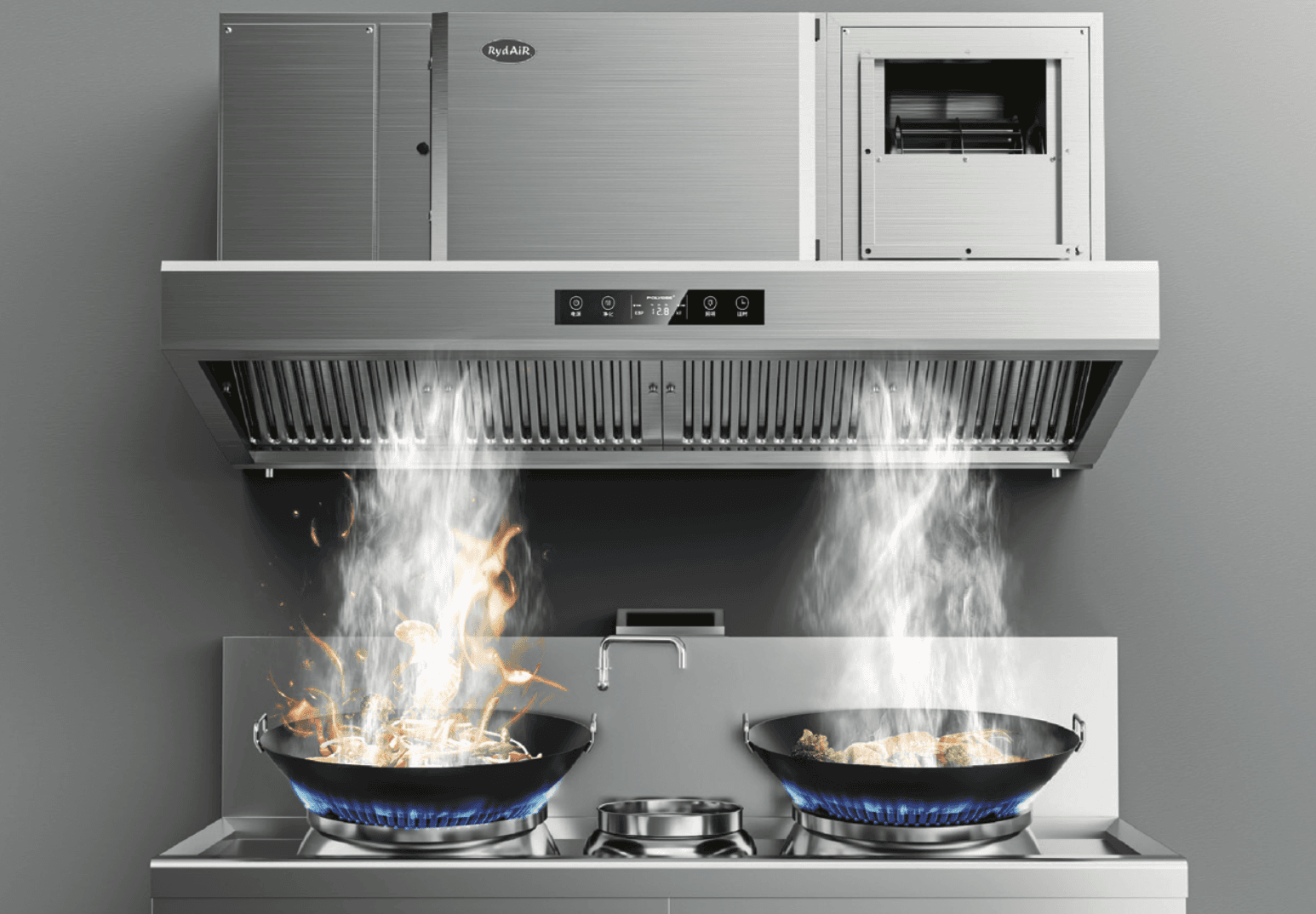
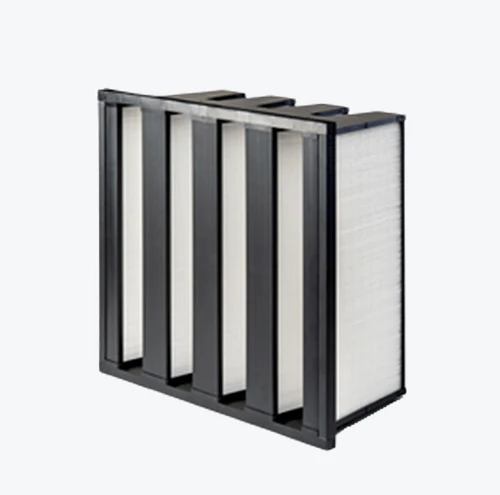
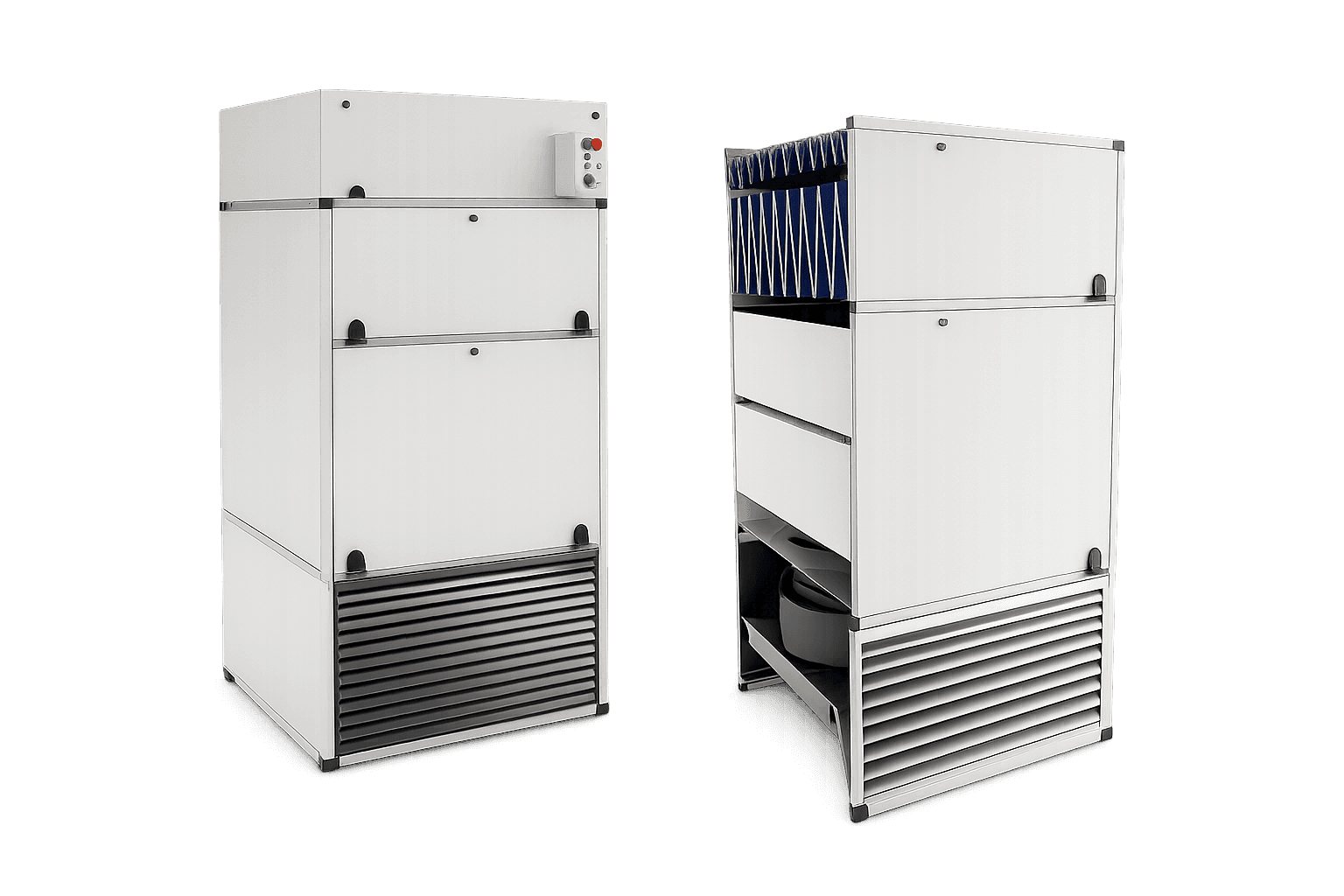
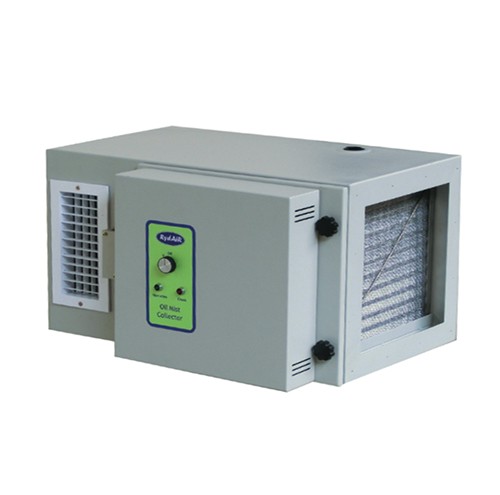
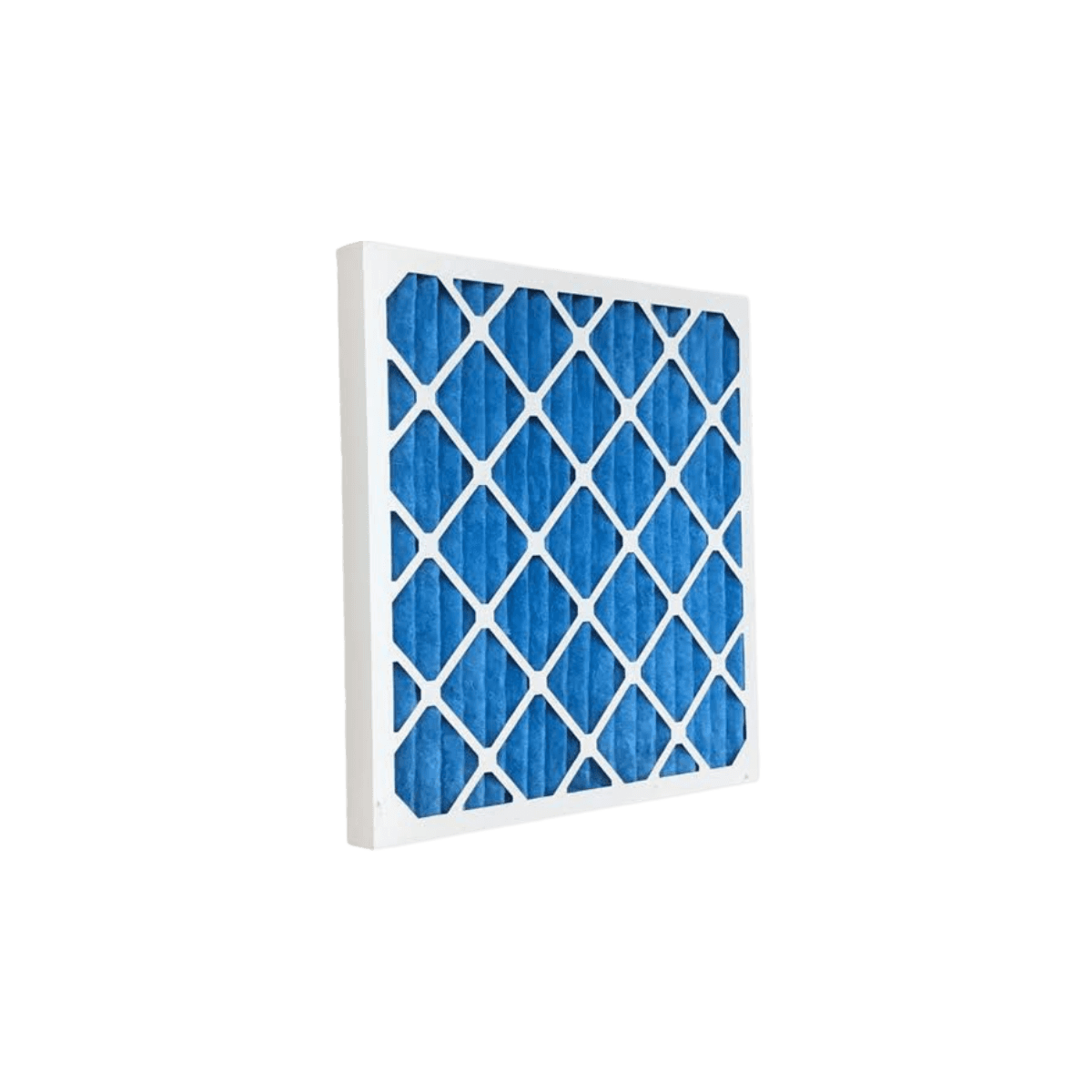
Ozone treats odour. It does not capture grease or smoke particles, so busier kitchens pair it with filtration or an electrostatic precipitator upstream. The ESP keeps grease out of the duct and the ozone deals with the smell that gets past it.

What Our Clients Say
FAQs
Ozone odour control questions
Is ozone safe to use in a kitchen extract?
Ozone is injected into the duct, away from staff, and is only produced while the extract is moving air. Where the discharge is close to windows or neighbours, the EXM400 and EXM600 monitor ozone at the discharge and reduce production at the setpoint.
Does ozone remove grease and smoke?
What size system do I need?
Will ozone help with planning or environmental health?
Can it be fitted to an existing extract system?
What maintenance does it need?