Commercial Kitchen Filtration
15 Feb 2026
Hidden Costs of Poor Kitchen Ventilation in Restaurants
Behind every successful restaurant is a reliable extraction and ventilation system. Its job is to remove grease, smoke, and odour from the cooking process so that clean air is safely discharged to atmosphere.
Hidden Costs of Poor Kitchen Ventilation in Restaurants
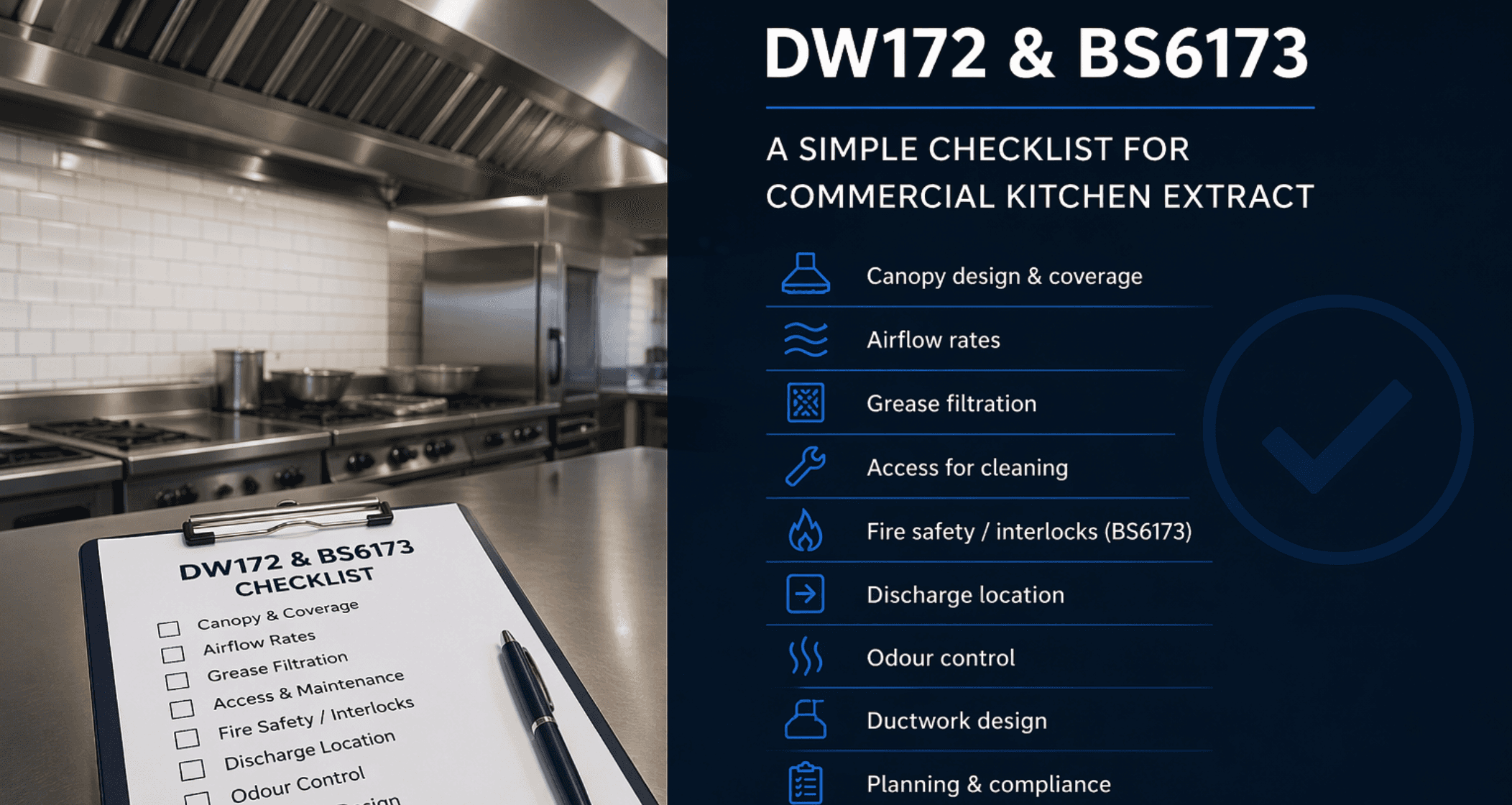
Behind every successful restaurant is a reliable extraction, ventilation and commercial kitchen filtration system. Its job is to remove grease, smoke, (with an ESP) and odour from the cooking process so that clean air is safely discharged to atmosphere in line with DW172 (<- click to read more)- the industry standard for commercial kitchen ventilation design.When ventilation systems are poorly designed, undersized, or neglected, the impact isn’t always immediate - but the hidden costs can quickly add up. From rising energy use to avoidable maintenance bills and enforcement notices, poor ventilation quietly erodes profitability, safety, and reputation.
Higher Energy and Maintenance Costs
When filters and ductwork become clogged with grease and smoke, fans must work harder to maintain extraction rates. This extra strain increases energy consumption, shortens fan lifespan, and adds unnecessary wear to motors and bearings.
Systems that are not balanced correctly or lack efficient particulate filtration - such as Electrostatic Precipitators (ESPs) - often operate noisily and unevenly, creating constant operational inefficiencies. Regular cleaning, correct airflow design, and proper filtration reduce energy waste and keep running costs predictable.
Fire Hazards and Insurance Implications
Grease deposits inside extract ducts are a leading cause of commercial kitchen fires. Inadequate filtration allows grease to accumulate, increasing the risk of ignition and rapid fire spread through ductwork.Insurers and local authorities expect systems to meet the performance and maintenance recommendations set out in DW/172 and TR/19 (for duct cleaning). Non-compliance can lead to higher premiums or even the invalidation of insurance cover.A well-maintained filtration system - including ESPs, UV-O units, and accessible duct sections - dramatically reduces fire risk and satisfies insurer requirements.
Odour Complaints and Environmental Enforcement
Cooking odours escaping into nearby properties or public areas are one of the most common reasons for complaints to Environmental Health Officers (EHOs). In urban or mixed-use locations, repeated issues can lead to enforcement notices or restrictions on trading hours.
A modern odour-control solution combines UV-O systems (to break down volatile organic compounds) with activated carbon filters that adsorb residual smells. Together, they ensure clean, neutral air discharge and help operators stay in line with planning conditions.
Preventing odour complaints not only keeps neighbours happy - it safeguards your licence and reputation.
Staff Comfort, Hygiene, and Productivity
Poor ventilation affects air quality inside the kitchen as well as outside. Without adequate extraction, fine grease mist can settle on surfaces and equipment, creating extra cleaning demands and hygiene risks.
A clean airflow path supported by efficient filtration improves working conditions, reduces airborne contaminants, and helps maintain compliance during hygiene inspections. Comfortable, well-ventilated kitchens also support better staff morale and retention - an often-overlooked benefit.
Equipment Downtime and Operational Disruption
Blocked filters or overloaded fans frequently cause unscheduled breakdowns. A failed extract system can bring cooking operations to a standstill - costing both revenue and customer confidence.Regular maintenance - including washing ESP cells, replacing UV lamps, and monitoring carbon filter performance - keeps systems reliable and prevents expensive call-outs or downtime during service.
Long-Term Financial Impact
Restaurants that neglect their extraction systems often find themselves trapped in a cycle of reactive maintenance and repeated complaints. Over time, the cumulative cost of energy waste, repairs, and enforcement can exceed the investment in a properly specified, DW/172-compliant system.A proactive approach - with efficient filtration, scheduled servicing, and clear documentation - protects profitability and ensures your kitchen continues to operate safely and efficiently. Poor kitchen ventilation doesn’t just cause smoke and odour - it quietly increases energy bills, raises fire risk, and damages reputation. A well-designed, properly maintained system is a long-term investment that keeps restaurants compliant, efficient, and worry-free.
By partnering with an experienced manufacturer such as Extechnology, operators can ensure their extraction and filtration systems meet DW/172 standards, minimise risk, and deliver clean, odour-free air year-round.
For more technical information and maintenance advice, visit our Extechnology Blog.To explore our full range of DW/172-compliant ESP, UV-O, and carbon filtration systems, browse our products here.

Emergency ESP Replacement Following Restaurant Fire
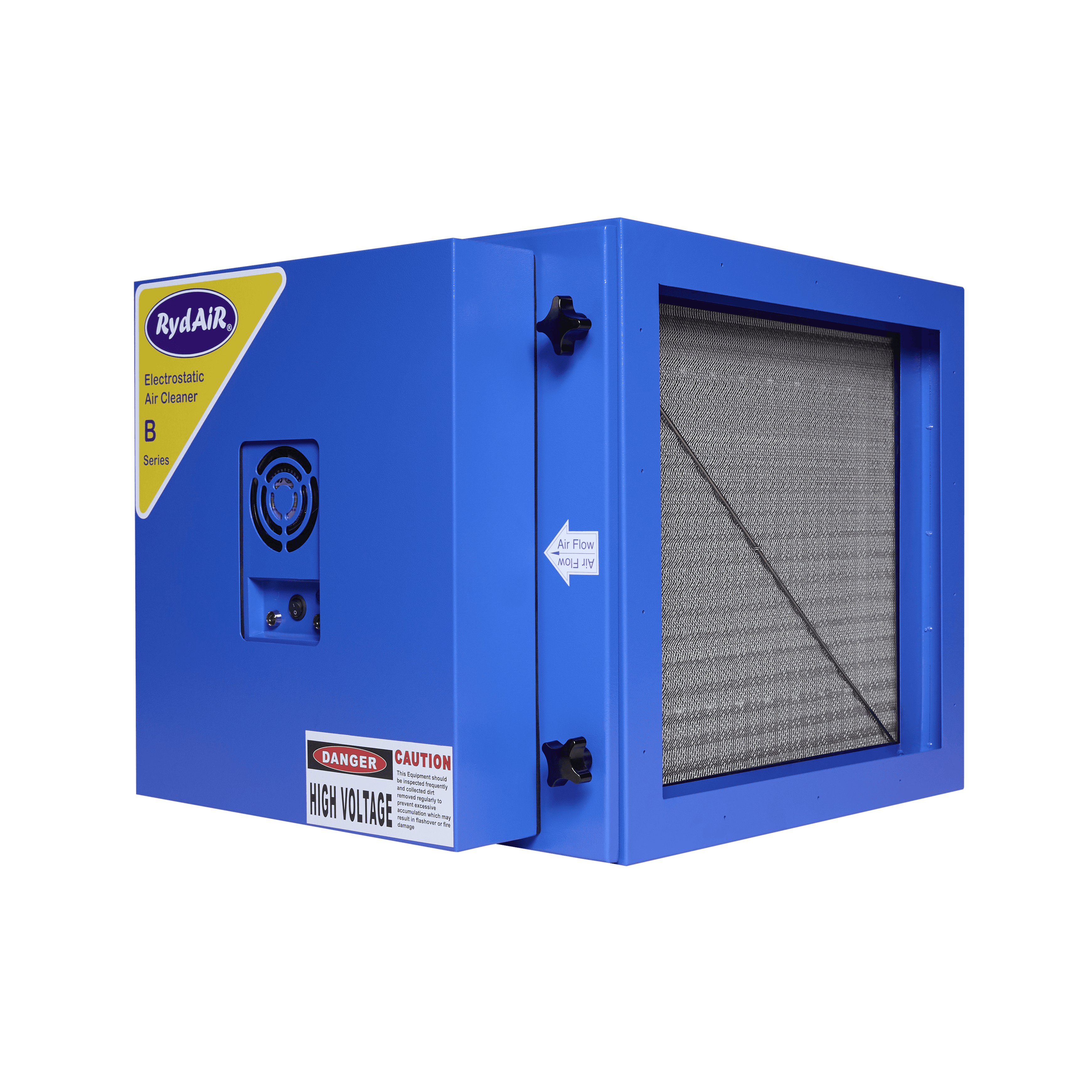
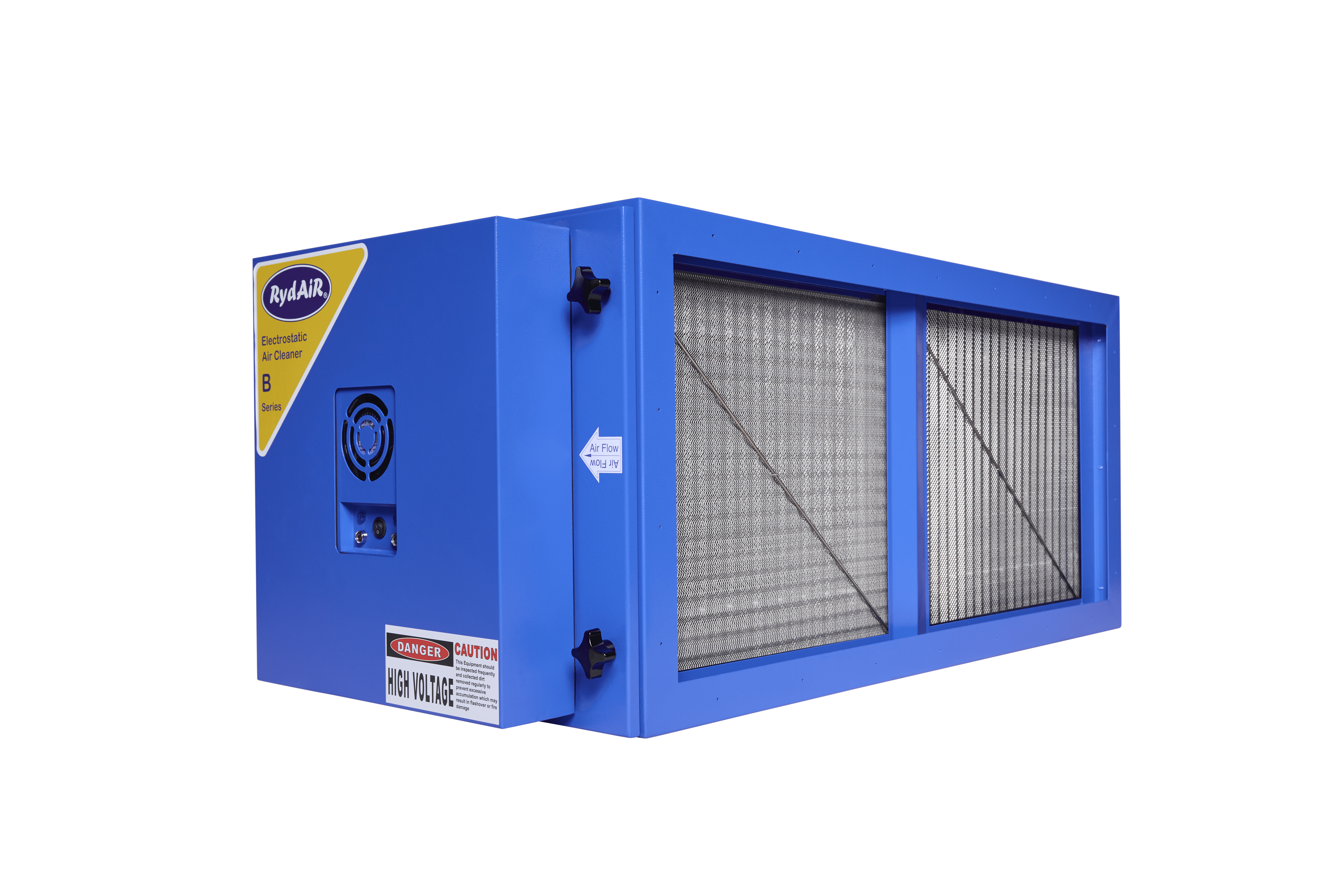
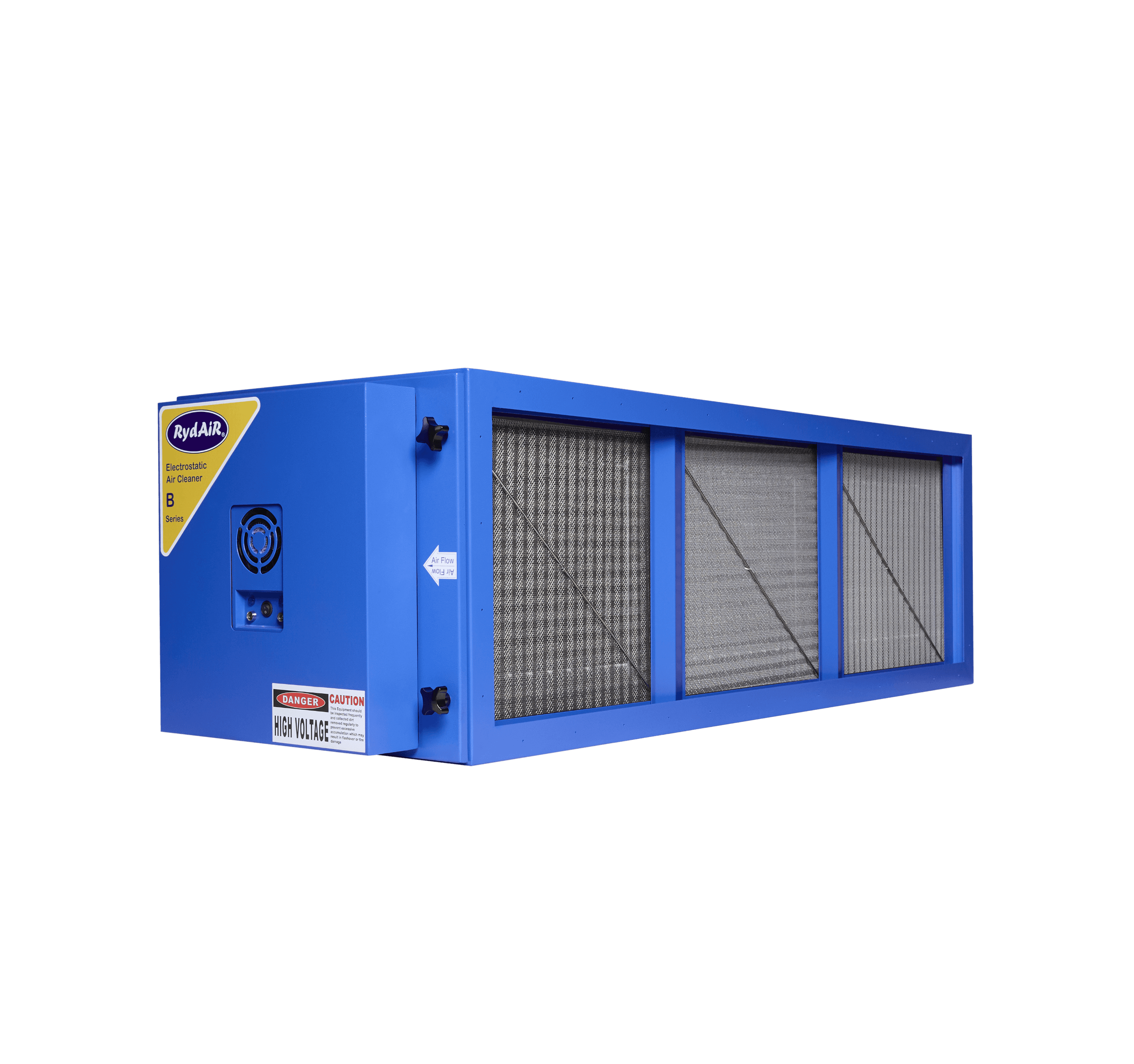
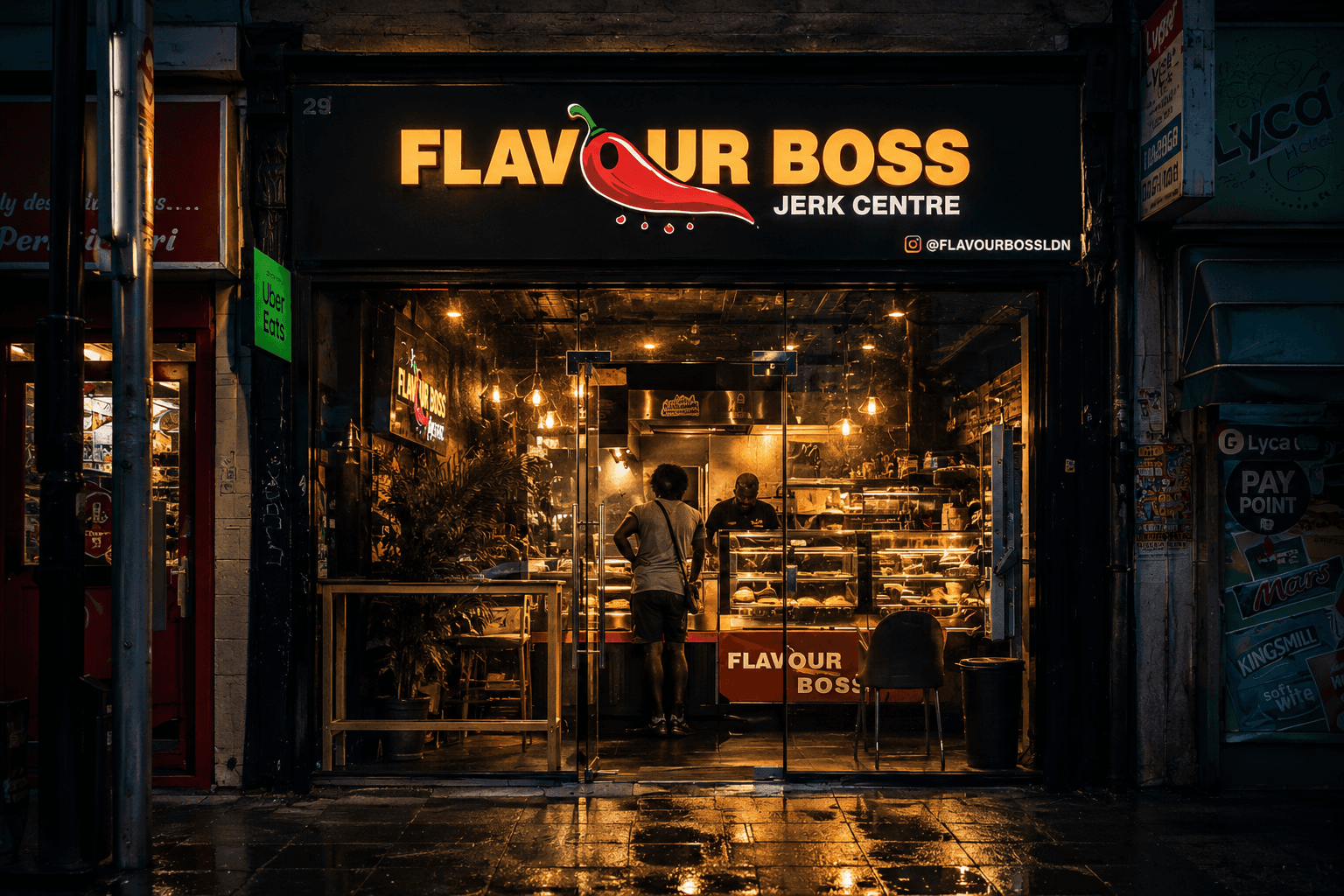
Emergency ESP Replacement Following Restaurant Fire Project Overview Extechnology was appointed to supply a rapid replacement ESP solution following a fire at a commercial restaurant kitchen. The fire had damaged the existing extraction and filtration equipment, leaving the restaurant unable to operate until the system was replaced. With business downtime directly affecting revenue and day-to-day operations, the project required a fast and straightforward solution that would allow the restaurant to reopen as quickly as possible. As the existing extract system had already been designed around a specific airflow requirement, the replacement ESP equipment needed to provide a like-for-like solution that could integrate easily into the existing setup without unnecessary redesign work or site modifications. The Challenge The restaurant required an urgent replacement of the damaged ESP equipment within a very short timeframe in order to minimise disruption to the business. Key challenges included: Rapid specification and supply of replacement ESP equipment Minimising operational downtime and financial losses Matching the existing airflow and system performance requirements Avoiding unnecessary ductwork or system alterations Supporting a fast-track installation and recommissioning programme With pressure to reopen quickly, maintaining speed throughout specification, processing and delivery was critical to the success of the project. The Solution Extechnology worked closely with the client and installation team to quickly identify a suitable like-for-like ESP replacement based on the existing system airflow and operational requirements. Using the original system information, the replacement ESP unit was selected to maintain the required airflow performance while integrating directly into the existing extraction arrangement. This simplified both specification and installation, avoiding delays associated with redesign or major system modifications. The focus throughout the project was to keep the process straightforward and efficient. Once the system requirements were confirmed, the replacement ESP equipment was rapidly processed and delivered within a short lead time to support the installation programme and help return the kitchen to operation as quickly as possible. Technology Used Like-for-like commercial kitchen Electrostatic Precipitator (ESP) Existing extraction system airflow configuration retained Washable ESP filtration technology for grease and smoke removal Compatible integration with existing ductwork and extraction layout Project Outcomes Rapid turnaround from enquiry to delivery Minimal downtime for the restaurant Fast-track installation and recommissioning Reduced disruption and business losses Successful reopening within a short timeframe Happy client and fully operational kitchen Consultant Notes The replacement ESP equipment was selected to match the airflow and operational characteristics of the original system, allowing the installation to proceed without significant modifications to the existing extract arrangement. By maintaining a like-for-like approach, the project avoided unnecessary complexity and enabled a faster overall delivery and installation programme, helping minimise disruption to the client’s business operations.
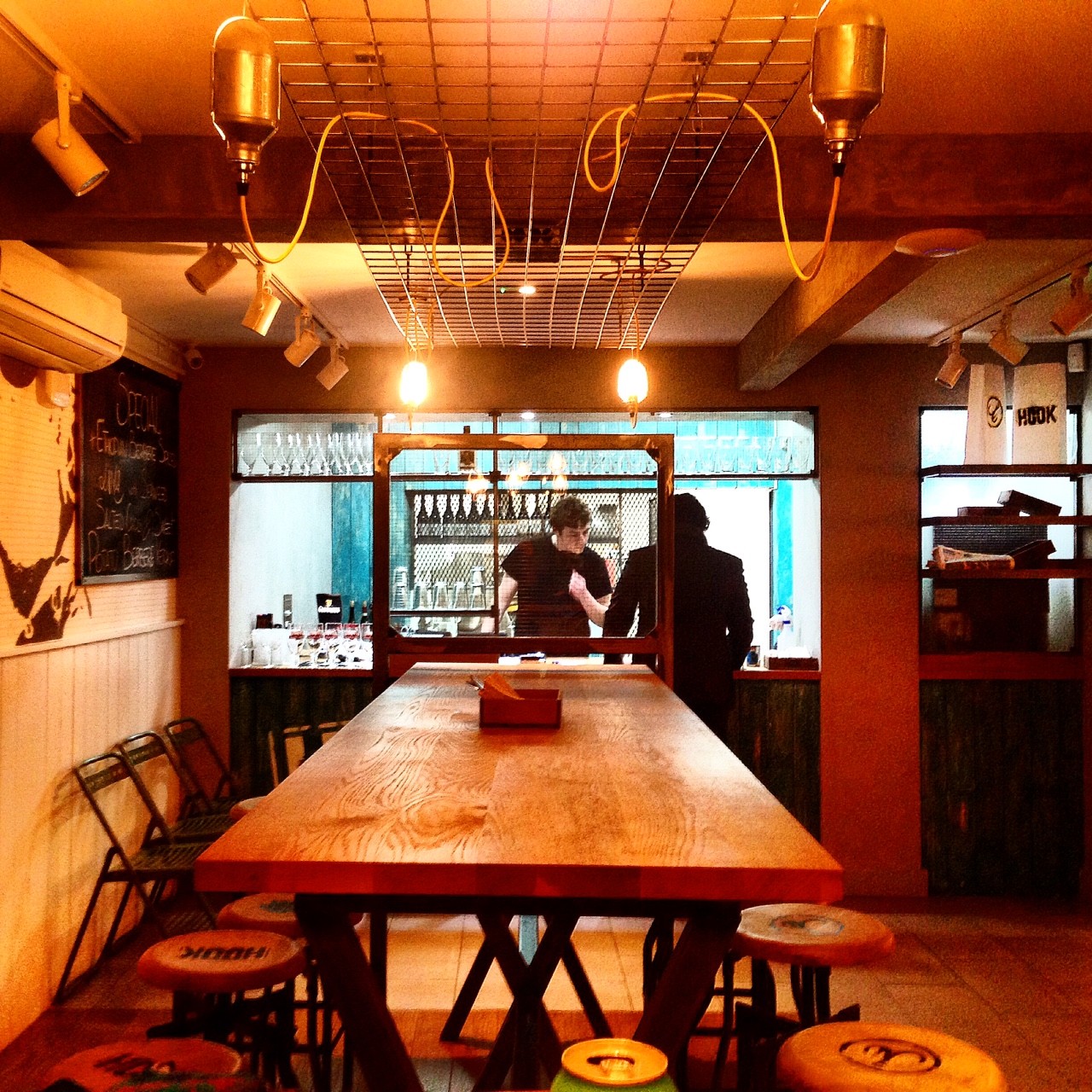
Hook, Camden Town
Extechnology delivered an odour control solution to support planning and neighbour acceptance while keeping pressure drops predictable.

Hoxton Hotel, Holborn
High‑efficiency ESP stages with low static and washable cells, supporting reliable operation and simplified servicing for a busy hospitality environment.