Odour Control
Odour Control Carbon Filters in Commercial Kitchens
Carbon filters are one of the most widely specified odour control solutions in restaurant kitchens — and also one of the most misunderstood.
Carbon filters are one of the most widely specified odour control solutions in restaurant kitchens — and also one of the most misunderstood. When applied correctly, they are highly effective at polishing kitchen extract air. When applied incorrectly, they become expensive, short-lived, and a common cause of ongoing odour complaints.
What Carbon Filters Actually Do
Activated carbon works by adsorbing odorous gases and volatile organic compounds (VOCs) from kitchen extract air. Unlike grease filters or ESPs, carbon does not remove smoke or particulates - it deals purely with odour at a molecular level.
In a commercial kitchen context, carbon filters are typically used as the final stage in an odour control system, once grease and smoke have already been removed upstream.
Carbon is not a primary treatment. It is a finishing process.
Why Carbon Alone Is Not Enough
One of the most common design errors in restaurant kitchens is relying on carbon filters as the only form of treatment.
If grease, oil mist, and smoke reach the carbon bed:
Carbon pores become blocked rapidly
Odour removal efficiency drops sharply
Breakthrough occurs far earlier than expected
This leads to the perception that “carbon doesn’t work”, when in reality the issue is upstream filtration.
For carbon to perform properly in commercial kitchens, it must be protected by:
Effective grease filtration at the canopy
High-efficiency particulate removal, typically via ESP
Carbon Filter Design Considerations
Carbon performance in restaurant kitchens is driven by dwell time, not just carbon weight.
Key factors that must be designed correctly:
Face velocity: Air must pass slowly enough through the carbon for adsorption to occur
Bed depth: Shallow trays saturate faster and provide inconsistent performance
Air distribution: Uneven airflow causes localised breakthrough
Simply adding “more carbon” without addressing these points rarely solves odour problems.
Types of Carbon Used in Kitchen Odour Control
Different cooking processes generate different odour profiles. As a result, carbon selection matters.
Common options include:
Standard activated carbon: Effective for general cooking odours
Impregnated carbon: Enhanced performance for specific compounds (e.g. sulphur-based odours)
Pelletised vs granular formats: Chosen based on pressure drop and airflow stability
Correct carbon selection should be based on the menu, cooking methods, and proximity to receptors.
Signs of Carbon Filter Breakthrough
In commercial kitchens, carbon does not fail suddenly - it degrades.
Typical warning signs include:
Odours noticeable only at certain times of day
Complaints increasing during peak cooking periods
No visible smoke, but persistent smell at discharge
By the time odours are constant, the carbon is usually fully saturated and overdue replacement.
Maintenance and Replacement Expectations
Carbon filters are consumables, not fit-and-forget components.
In restaurant kitchens, realistic replacement intervals depend on:
Cooking load and hours of operation
Effectiveness of upstream filtration
Airflow rate through the carbon bed
Without proper upstream grease and smoke removal, carbon life can reduce from years to a matter of weeks.
Routine monitoring - including pressure drop and odour checks - helps avoid reactive replacements and neighbour complaints.
Carbon Filters and Environmental Health Complaints
From an Environmental Health perspective, carbon filters are often the final barrier preventing odour nuisance.
However, EHOs will typically look beyond the carbon itself and assess:
Overall system design
Maintenance records
Evidence of filtration breakdown
Poorly performing carbon filters are rarely treated as an isolated issue - they are usually seen as a symptom of wider system failure.
Getting Carbon Filtration Right in Restaurant Kitchens
Effective odour control using carbon filters relies on:
Correct placement at the end of the filtration train
Proper airflow and dwell time design
Carbon selection matched to cooking processes
Planned maintenance and timely replacement
When specified and maintained correctly, carbon filters provide reliable odour control and help restaurant kitchens operate without complaints, restrictions, or enforcement action.


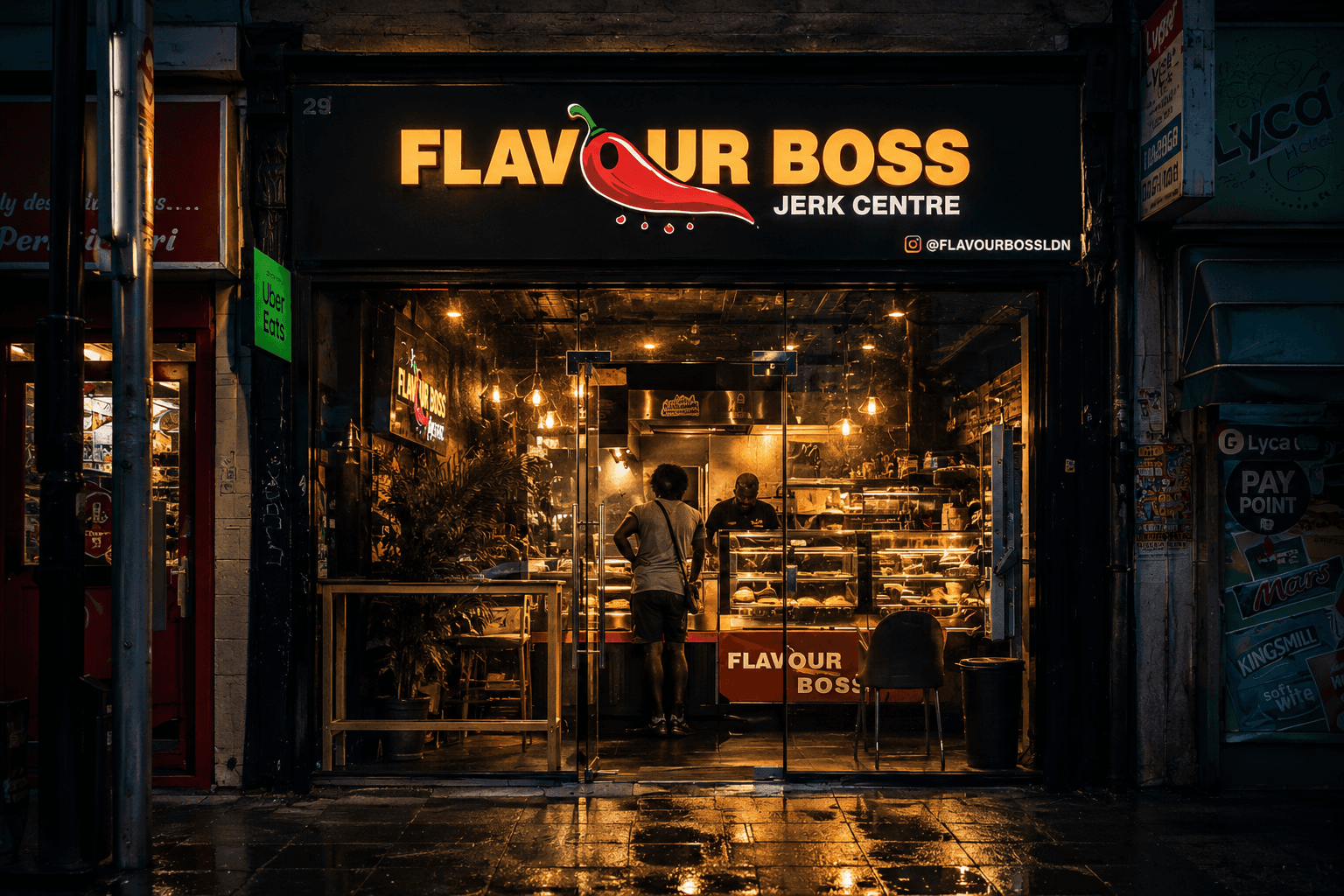
Emergency ESP Replacement Following Restaurant Fire
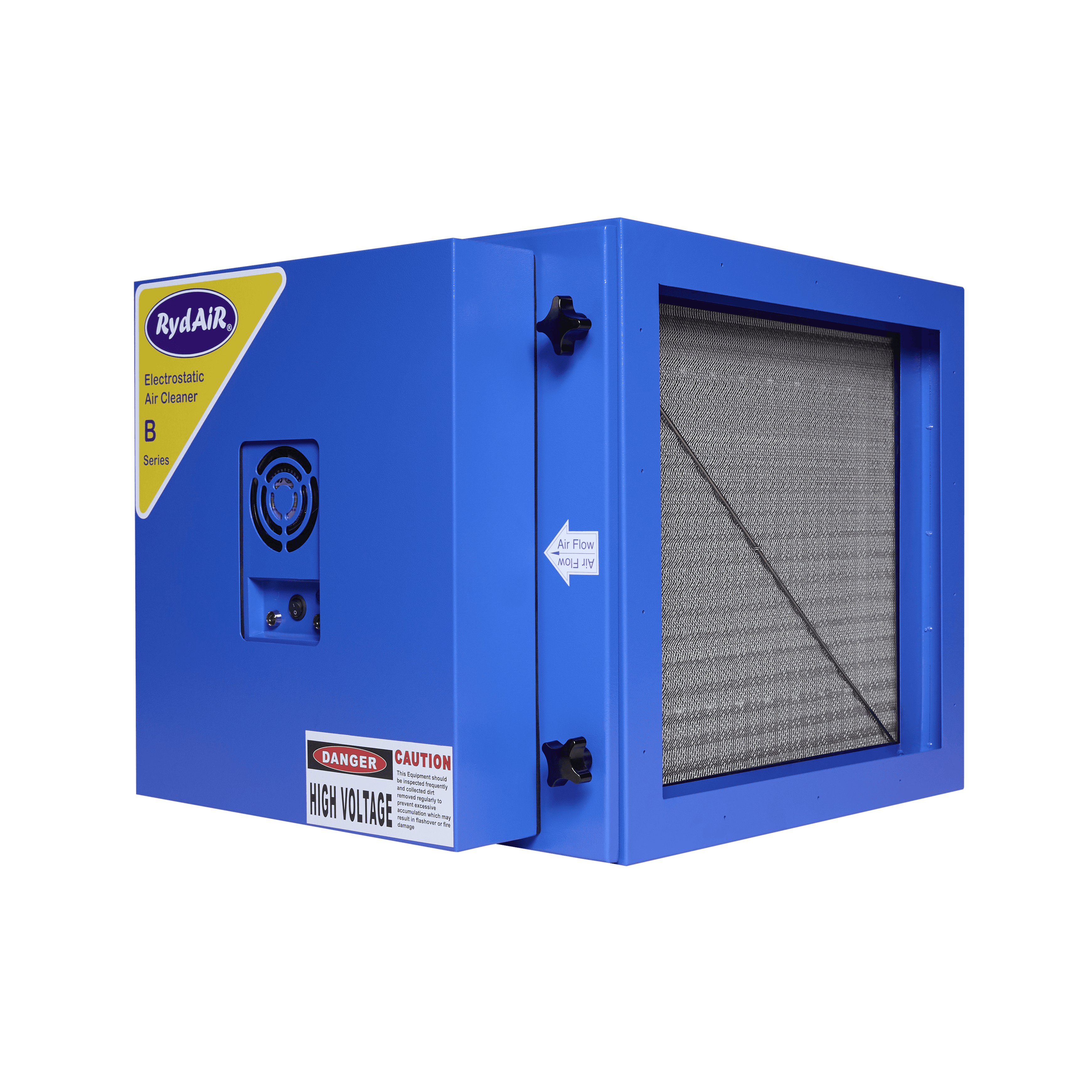
Emergency ESP Replacement Following Restaurant Fire Project Overview Extechnology was appointed to supply a rapid replacement ESP solution following a fire at a commercial restaurant kitchen. The fire had damaged the existing extraction and filtration equipment, leaving the restaurant unable to operate until the system was replaced. With business downtime directly affecting revenue and day-to-day operations, the project required a fast and straightforward solution that would allow the restaurant to reopen as quickly as possible. As the existing extract system had already been designed around a specific airflow requirement, the replacement ESP equipment needed to provide a like-for-like solution that could integrate easily into the existing setup without unnecessary redesign work or site modifications. The Challenge The restaurant required an urgent replacement of the damaged ESP equipment within a very short timeframe in order to minimise disruption to the business. Key challenges included: Rapid specification and supply of replacement ESP equipment Minimising operational downtime and financial losses Matching the existing airflow and system performance requirements Avoiding unnecessary ductwork or system alterations Supporting a fast-track installation and recommissioning programme With pressure to reopen quickly, maintaining speed throughout specification, processing and delivery was critical to the success of the project. The Solution Extechnology worked closely with the client and installation team to quickly identify a suitable like-for-like ESP replacement based on the existing system airflow and operational requirements. Using the original system information, the replacement ESP unit was selected to maintain the required airflow performance while integrating directly into the existing extraction arrangement. This simplified both specification and installation, avoiding delays associated with redesign or major system modifications. The focus throughout the project was to keep the process straightforward and efficient. Once the system requirements were confirmed, the replacement ESP equipment was rapidly processed and delivered within a short lead time to support the installation programme and help return the kitchen to operation as quickly as possible. Technology Used Like-for-like commercial kitchen Electrostatic Precipitator (ESP) Existing extraction system airflow configuration retained Washable ESP filtration technology for grease and smoke removal Compatible integration with existing ductwork and extraction layout Project Outcomes Rapid turnaround from enquiry to delivery Minimal downtime for the restaurant Fast-track installation and recommissioning Reduced disruption and business losses Successful reopening within a short timeframe Happy client and fully operational kitchen Consultant Notes The replacement ESP equipment was selected to match the airflow and operational characteristics of the original system, allowing the installation to proceed without significant modifications to the existing extract arrangement. By maintaining a like-for-like approach, the project avoided unnecessary complexity and enabled a faster overall delivery and installation programme, helping minimise disruption to the client’s business operations.

Hook, Camden Town
Extechnology delivered an odour control solution to support planning and neighbour acceptance while keeping pressure drops predictable.

Hoxton Hotel, Holborn
High‑efficiency ESP stages with low static and washable cells, supporting reliable operation and simplified servicing for a busy hospitality environment.