Commercial Kitchen Filtration
Air Filtration Systems for Restaurants
In a commercial restaurant kitchen, air filtration isn’t a “nice to have” - it’s fundamental to safety, compliance, and day-to-day performance. Cooking processes generate grease, smoke, heat, and odours that must be properly captured and treated before air is discharged.

In a commercial restaurant kitchen, air filtration isn’t a “nice to have” - it’s fundamental to safety, compliance, and day-to-day performance. Cooking processes generate grease, smoke, heat, and odours that must be properly captured and treated before air is discharged. When filtration is poorly designed or maintained, the consequences show up quickly: fire risk, neighbour complaints, rising maintenance costs, and intervention from Environmental Health.
This article looks specifically at air filtration systems for commercial kitchens in restaurants - what they do, why they matter, and how to get them right.
What Air Filtration Means in a Commercial Kitchen
In restaurant kitchens, air filtration refers to the removal of grease, smoke, particulates, and odour from kitchen extract air. It is not about cooling the space or improving comfort - that’s ventilation. Filtration’s role is to protect the ductwork, fan, discharge point, and surrounding environment.
A typical commercial kitchen filtration train may include:
Grease filters in the canopy
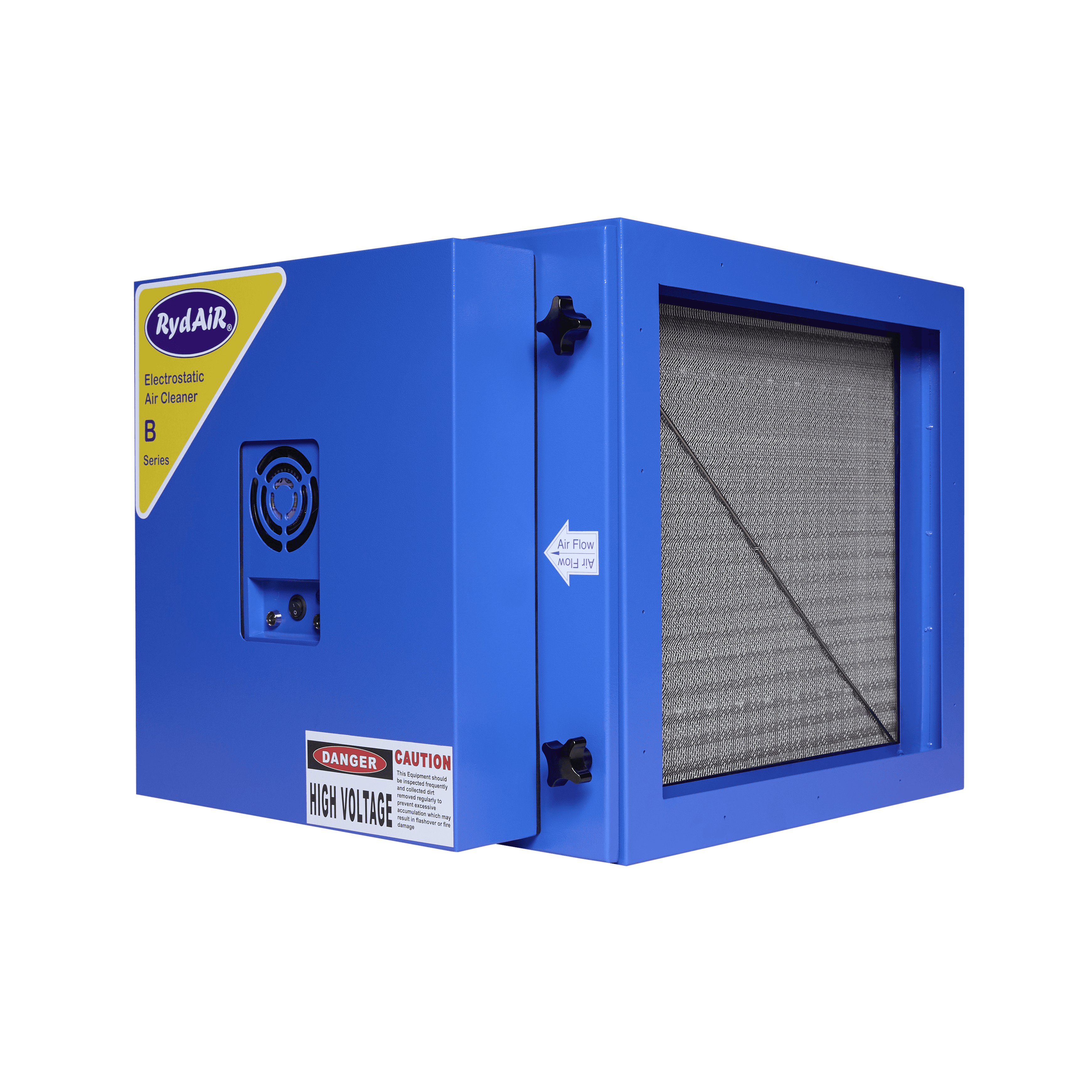
Electrostatic precipitators (ESP) for smoke and fine oil mist
Odour control stages such as carbon or Ozone/UV-based systems
Each stage plays a specific role. Miss one, or size it incorrectly, and problems are almost guaranteed.
Why Filtration Is Critical in Restaurant Kitchens
Grease and Smoke Travel Further Than You Think
Heavy cooking methods - frying, char-grilling, wok cooking, solid fuel - produce fine grease aerosols and smoke. Without effective filtration, these pass straight through the system, coating ducts and fans and escaping at exhaust points and whether this is high level or low level, both of these can be problematic.
This is one of the most common reasons restaurant kitchens end up with:
Persistent odour complaints
Visible staining on nearby buildings
Increased cleaning and duct hygiene costs
Fire Risk Starts in the Duct
Grease-laden extract air that isn’t properly filtered will deposit inside the ductwork. Over time, this build-up becomes highly combustible. Good filtration - particularly ESP systems - removes grease and smoke before it reaches the duct, dramatically reducing fire load and supporting insurance and fire safety compliance.
Odour Complaints Lead to Enforcement
Environmental Health rarely gets involved because of “a bit of cooking smell”. Complaints usually arise when:
Filtration is missing or undersized
Odour control stages are overloaded
Systems aren’t maintained and have broken through
Once complaints begin, operators are often forced into reactive upgrades - which are almost always more expensive than getting it right first time.
Core Air Filtration Technologies Used in Restaurant Kitchens
Grease Filters (First Line of Defence)
Installed in the kitchen canopy, grease filters capture larger grease droplets. They protect downstream equipment but do not remove smoke or odour. Regular cleaning is essential - blocked filters restrict airflow and reduce capture efficiency at the hood.
Electrostatic Precipitators (ESP)
ESP units are widely used in restaurant kitchens where smoke and fine grease are an issue. They electrically charge particles and collect them on plates, removing a high percentage of smoke and oil mist.
In commercial kitchens, ESPs:
Keep ductwork significantly cleaner
Reduce visible emissions at discharge
Extend the life of odour control media
They must be cleaned routinely to maintain performance.
Odour Control: Carbon and Oxidation
Where restaurants are close to neighbours, odour control becomes critical.
Activated carbon absorbs odorous compounds
UV-C or ozone systems oxidise stubborn odours before final polishing
These systems only work properly when upstream grease and smoke have already been removed. Carbon alone is not a solution for untreated kitchen extract.
Design Matters More Than Equipment Choice
Many filtration problems in restaurant kitchens aren’t caused by bad equipment - they’re caused by poor system design.
Common mistakes include:
No particulate removal before carbon
Carbon filters sized without enough dwell time
Discharge points too low or too close to receptors
Filtration added without verifying airflow through each stage
A well-designed system considers the cooking type, air volume, filtration order, and discharge location together - not in isolation.
Maintenance: Where Most Systems Fail
Even a correctly designed filtration system will fail without maintenance.
In restaurant kitchens, typical maintenance intervals are:
Grease filters: weekly checks, frequent washing
ESP cells: cleaned every 4–8 weeks depending on cooking load
Carbon filters: replaced before odour breakthrough occurs
Neglected maintenance is one of the fastest routes to complaints, enforcement notices, and emergency retrofits.
The Real Cost of Poor Filtration in Restaurant Kitchens
When filtration is inadequate, restaurants often face:
Emergency duct cleaning
Premature fan failure
Odour control retrofits
Reduced operating hours or planning restrictions
Reputational damage with neighbours and authorities
These costs are rarely budgeted - and they’re almost always avoidable.
Getting Commercial Kitchen Filtration Right
Effective air filtration in restaurant kitchens comes down to three things:
Correct system design for the cooking process
Proper sequencing of filtration stages
Ongoing maintenance and performance checks
When these are in place, kitchen extract systems run cleaner, quieter, and with far fewer complaints.


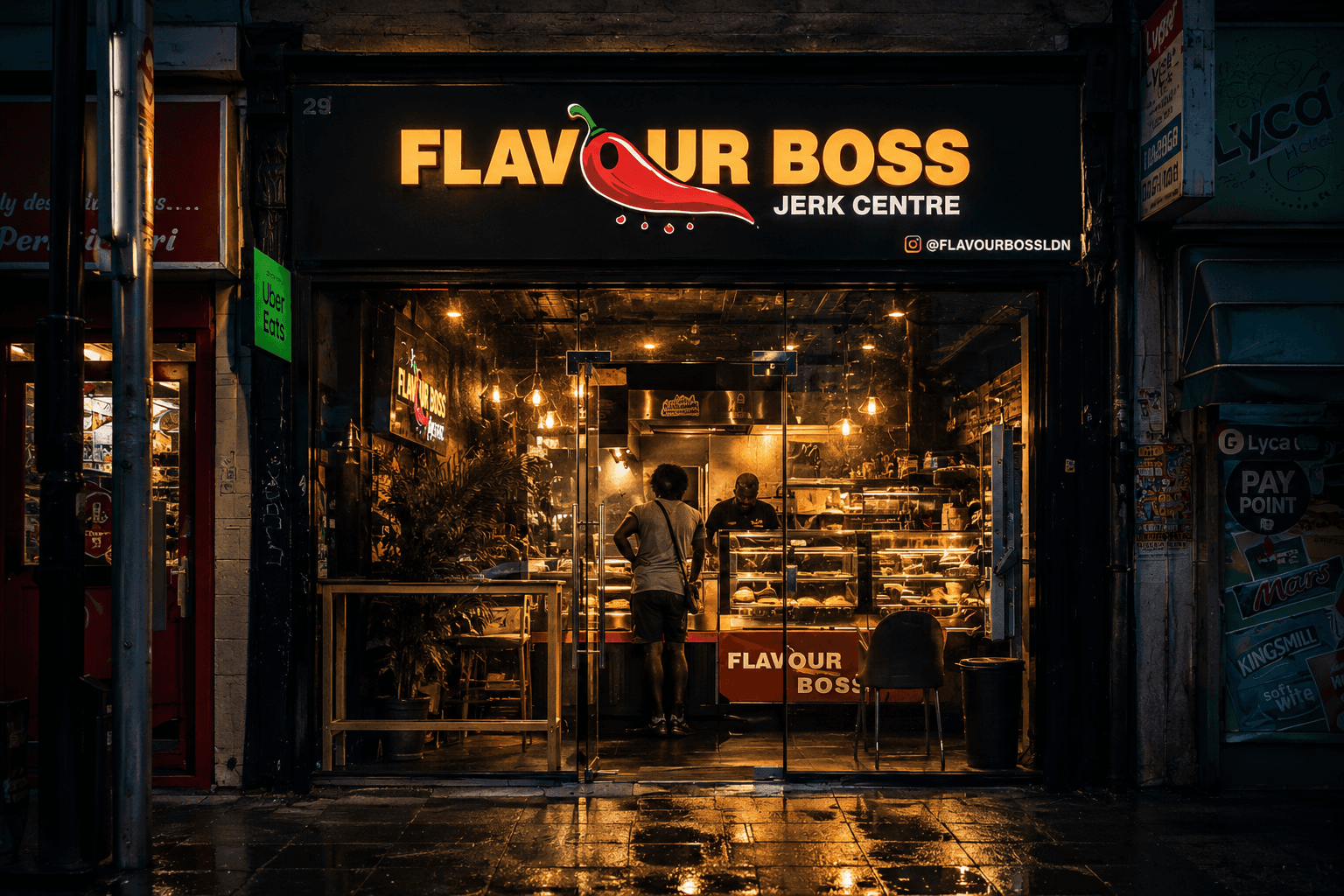
Emergency ESP Replacement Following Restaurant Fire
Emergency ESP Replacement Following Restaurant Fire Project Overview Extechnology was appointed to supply a rapid replacement ESP solution following a fire at a commercial restaurant kitchen. The fire had damaged the existing extraction and filtration equipment, leaving the restaurant unable to operate until the system was replaced. With business downtime directly affecting revenue and day-to-day operations, the project required a fast and straightforward solution that would allow the restaurant to reopen as quickly as possible. As the existing extract system had already been designed around a specific airflow requirement, the replacement ESP equipment needed to provide a like-for-like solution that could integrate easily into the existing setup without unnecessary redesign work or site modifications. The Challenge The restaurant required an urgent replacement of the damaged ESP equipment within a very short timeframe in order to minimise disruption to the business. Key challenges included: Rapid specification and supply of replacement ESP equipment Minimising operational downtime and financial losses Matching the existing airflow and system performance requirements Avoiding unnecessary ductwork or system alterations Supporting a fast-track installation and recommissioning programme With pressure to reopen quickly, maintaining speed throughout specification, processing and delivery was critical to the success of the project. The Solution Extechnology worked closely with the client and installation team to quickly identify a suitable like-for-like ESP replacement based on the existing system airflow and operational requirements. Using the original system information, the replacement ESP unit was selected to maintain the required airflow performance while integrating directly into the existing extraction arrangement. This simplified both specification and installation, avoiding delays associated with redesign or major system modifications. The focus throughout the project was to keep the process straightforward and efficient. Once the system requirements were confirmed, the replacement ESP equipment was rapidly processed and delivered within a short lead time to support the installation programme and help return the kitchen to operation as quickly as possible. Technology Used Like-for-like commercial kitchen Electrostatic Precipitator (ESP) Existing extraction system airflow configuration retained Washable ESP filtration technology for grease and smoke removal Compatible integration with existing ductwork and extraction layout Project Outcomes Rapid turnaround from enquiry to delivery Minimal downtime for the restaurant Fast-track installation and recommissioning Reduced disruption and business losses Successful reopening within a short timeframe Happy client and fully operational kitchen Consultant Notes The replacement ESP equipment was selected to match the airflow and operational characteristics of the original system, allowing the installation to proceed without significant modifications to the existing extract arrangement. By maintaining a like-for-like approach, the project avoided unnecessary complexity and enabled a faster overall delivery and installation programme, helping minimise disruption to the client’s business operations.
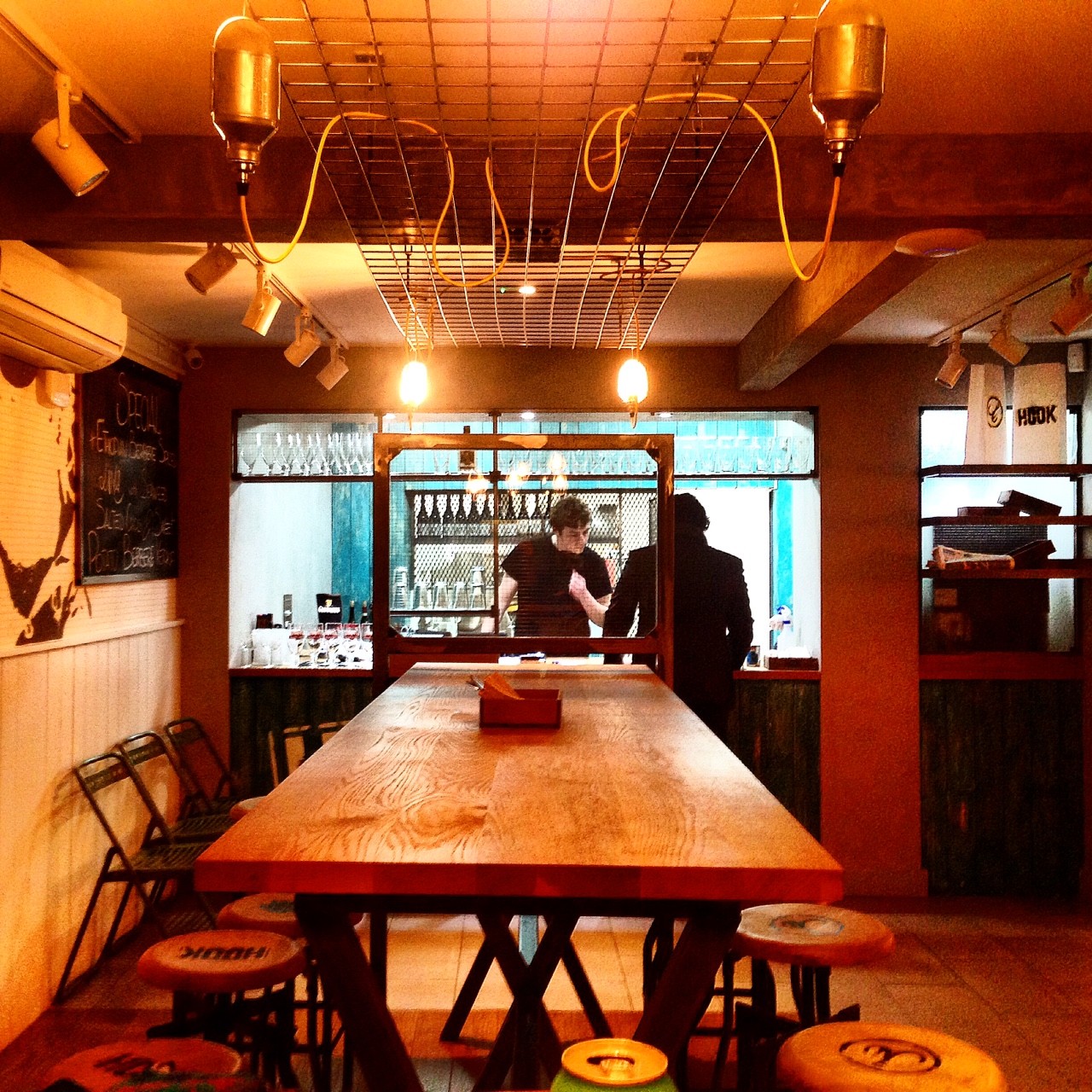
Hook, Camden Town
Extechnology delivered an odour control solution to support planning and neighbour acceptance while keeping pressure drops predictable.

Hoxton Hotel, Holborn
High‑efficiency ESP stages with low static and washable cells, supporting reliable operation and simplified servicing for a busy hospitality environment.