Electrostatic Precipitator
15 Feb 2026
ESP Filtration for Different Cooking Styles: Light, Medium and Heavy Duty Kitchens
Not all commercial kitchens operate at the same duty level. Cooking style and intensity directly affect grease and smoke production, which must be reflected...
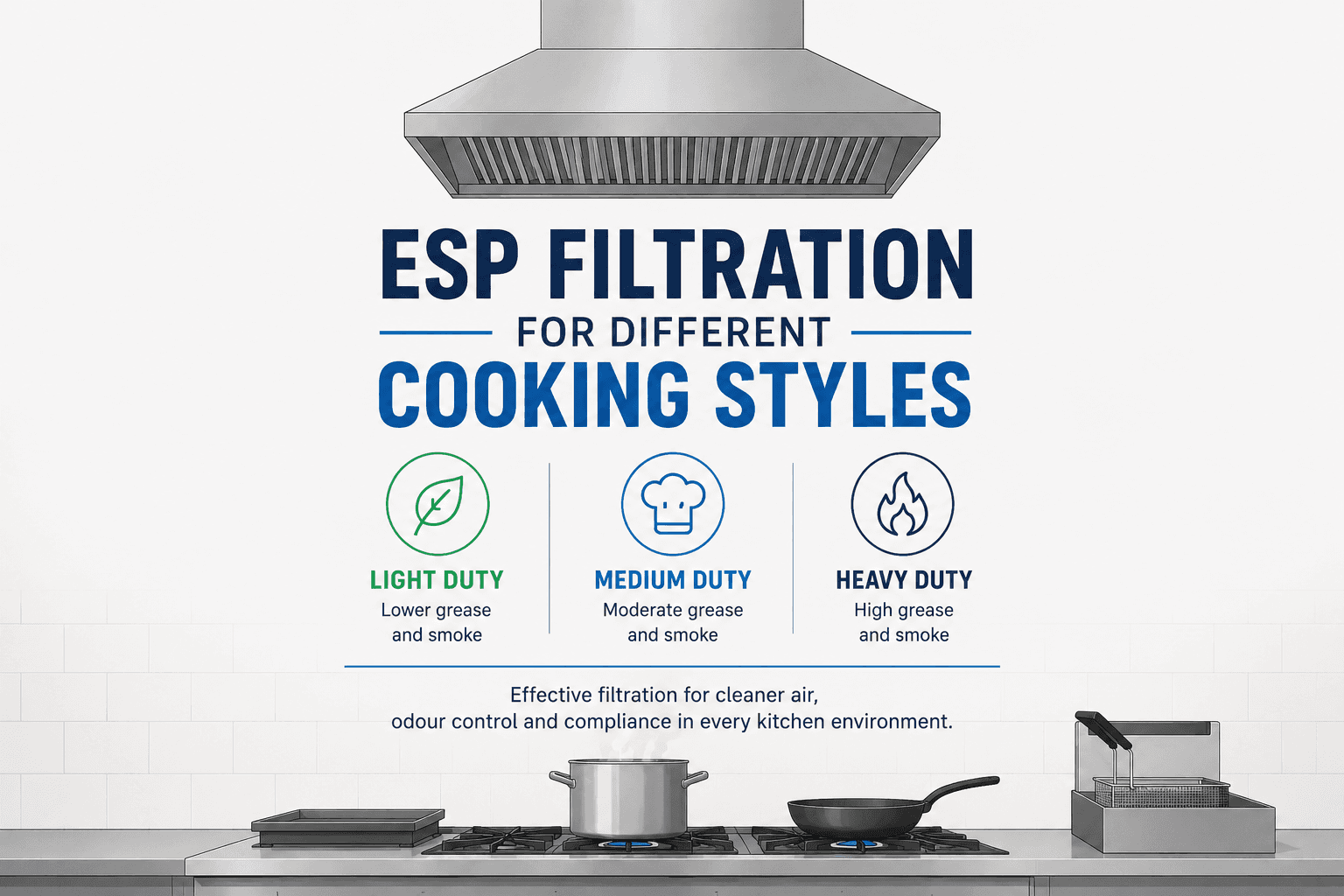
Commercial kitchen extract systems are never truly “one size fits all”. A coffee shop producing light breakfasts creates very different extract air compared to a steakhouse running chargrills all day or a busy Asian kitchen operating wok burners at high temperatures.
That matters because the level of smoke, grease and airborne contaminants directly affects the type of ESP filtration system required.
Electrostatic Precipitators (ESPs) are one of the most effective solutions for removing grease particles, smoke and fine airborne contaminants from kitchen extract systems. They are commonly used to reduce visible emissions, improve odour control, protect downstream carbon filters and support DW172 compliant kitchen ventilation design.
However, the correct ESP setup depends entirely on the cooking style.
Light Duty Kitchens
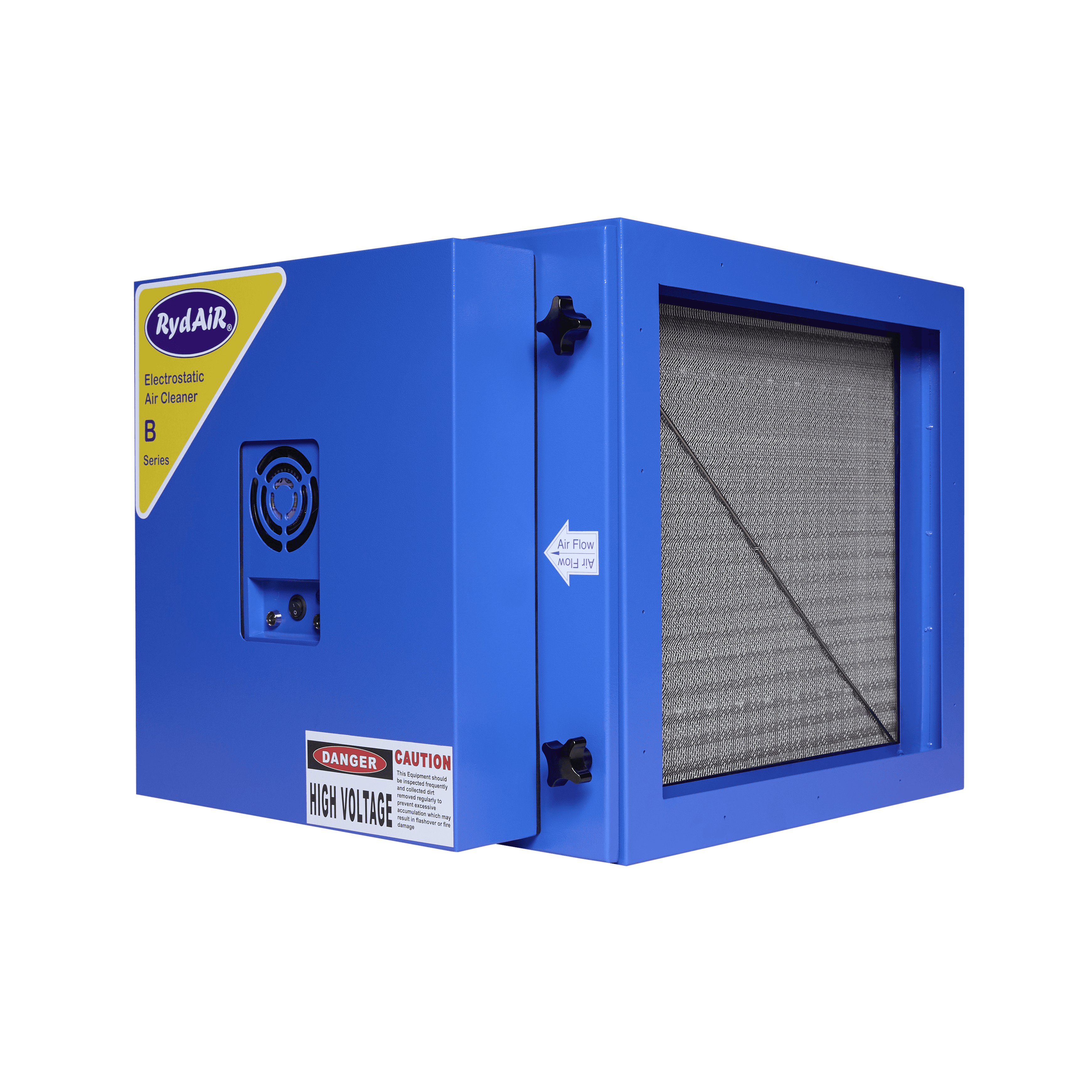
Light duty kitchens generally produce lower levels of grease and smoke. Typical examples include cafés, bakeries, sandwich bars, coffee shops and prep kitchens. Depending on airflow you may need an RY2500B.
Cooking processes are usually lower intensity, including boiling, steaming, baking, reheating and light frying. As a result, the extract air contains lower grease loading and reduced odour levels.
These systems can often operate with smaller ESP units alongside standard canopy grease filters and optional carbon filtration. One common mistake in light duty kitchens is relying on carbon filtration alone, as grease contamination can quickly reduce carbon filter performance and lifespan.
Medium Duty Kitchens
Medium duty kitchens generate more consistent grease aerosol production, stronger odours and higher particulate levels. Typical examples include restaurants, hotel kitchens, gastropubs and school kitchens. Depending on airflow you may need an RY5000B.
Cooking processes often include deep frying, grilling, high-volume pan frying and moderate chargrilling.
At this level, ESP filtration becomes far more important for both compliance and system performance. Medium duty systems commonly require multi-stage ESP filtration, larger airflow capacities, washable collector cells and carbon filtration for odour polishing.
Correct sizing is critical. Undersized ESP systems can quickly lose efficiency if airflow velocities exceed design limits.
Heavy Duty Kitchens
Heavy duty kitchens create the highest levels of smoke, grease and odour contamination and almost always require engineered multi-stage filtration systems. Depending on airflow you may need an RY7500 or RY10000.
Typical examples include steak houses, charcoal grill restaurants, fast food kitchens, Asian wok cooking and solid fuel cooking operations.
These kitchens generate dense smoke, extremely fine particulates and heavy grease loading, which can overwhelm poorly designed filtration systems.
A typical heavy duty setup may include canopy grease filters, ESP filtration, carbon filtration, UV-C systems and ozone treatment where appropriate. Each stage performs a different role, with the ESP removing grease and smoke particulates before additional odour control stages treat the remaining contaminants.
The heavier the cooking process, the more important proper filtration staging and maintenance access becomes.
Common ESP Specification Mistakes
One of the most common issues is undersizing the ESP system in an attempt to reduce upfront costs. This can lead to smoke discharge issues, grease carryover, faster carbon filter saturation and increased complaints from neighbouring properties.
Another common mistake is failing to properly assess the cooking style. Two kitchens with similar airflow volumes can produce completely different contamination levels depending on the cooking methods being used.
Poor maintenance planning is also a major issue. Even correctly sized ESP systems require regular cleaning and servicing to maintain long-term performance.
ESP filtration plays a major role in modern commercial kitchen ventilation systems, but the correct setup depends entirely on the type of cooking taking place.
Light duty kitchens may only require relatively simple filtration arrangements, medium duty kitchens often need carefully sized ESP systems with additional odour control stages, while heavy duty kitchens typically demand fully engineered multi-stage filtration solutions.
Understanding those differences early in the design process helps avoid odour complaints, planning issues, poor filtration performance and unnecessary maintenance costs — ensuring the system performs effectively in real operating conditions, not just on paper.


Emergency ESP Replacement Following Restaurant Fire
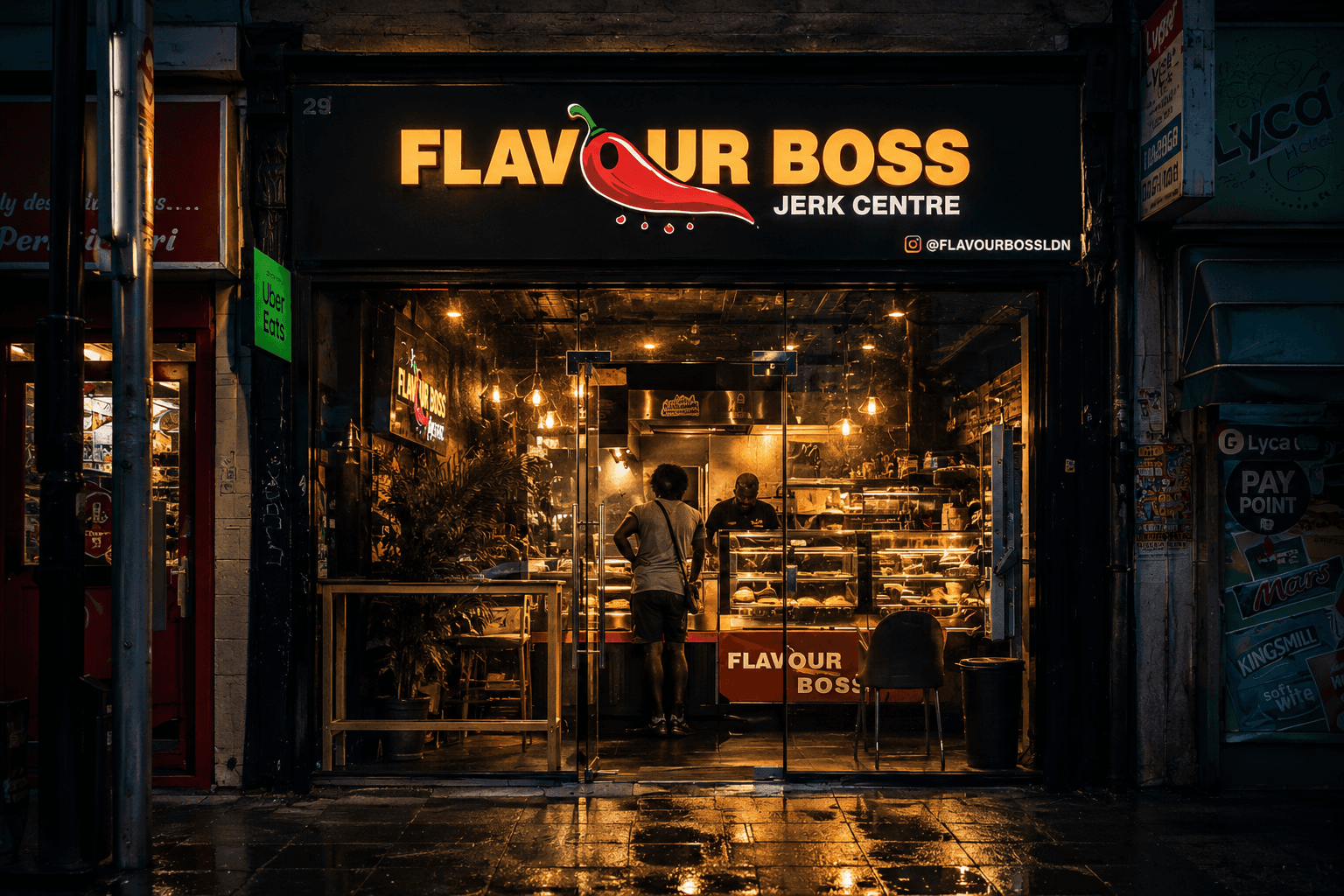
Emergency ESP Replacement Following Restaurant Fire Project Overview Extechnology was appointed to supply a rapid replacement ESP solution following a fire at a commercial restaurant kitchen. The fire had damaged the existing extraction and filtration equipment, leaving the restaurant unable to operate until the system was replaced. With business downtime directly affecting revenue and day-to-day operations, the project required a fast and straightforward solution that would allow the restaurant to reopen as quickly as possible. As the existing extract system had already been designed around a specific airflow requirement, the replacement ESP equipment needed to provide a like-for-like solution that could integrate easily into the existing setup without unnecessary redesign work or site modifications. The Challenge The restaurant required an urgent replacement of the damaged ESP equipment within a very short timeframe in order to minimise disruption to the business. Key challenges included: Rapid specification and supply of replacement ESP equipment Minimising operational downtime and financial losses Matching the existing airflow and system performance requirements Avoiding unnecessary ductwork or system alterations Supporting a fast-track installation and recommissioning programme With pressure to reopen quickly, maintaining speed throughout specification, processing and delivery was critical to the success of the project. The Solution Extechnology worked closely with the client and installation team to quickly identify a suitable like-for-like ESP replacement based on the existing system airflow and operational requirements. Using the original system information, the replacement ESP unit was selected to maintain the required airflow performance while integrating directly into the existing extraction arrangement. This simplified both specification and installation, avoiding delays associated with redesign or major system modifications. The focus throughout the project was to keep the process straightforward and efficient. Once the system requirements were confirmed, the replacement ESP equipment was rapidly processed and delivered within a short lead time to support the installation programme and help return the kitchen to operation as quickly as possible. Technology Used Like-for-like commercial kitchen Electrostatic Precipitator (ESP) Existing extraction system airflow configuration retained Washable ESP filtration technology for grease and smoke removal Compatible integration with existing ductwork and extraction layout Project Outcomes Rapid turnaround from enquiry to delivery Minimal downtime for the restaurant Fast-track installation and recommissioning Reduced disruption and business losses Successful reopening within a short timeframe Happy client and fully operational kitchen Consultant Notes The replacement ESP equipment was selected to match the airflow and operational characteristics of the original system, allowing the installation to proceed without significant modifications to the existing extract arrangement. By maintaining a like-for-like approach, the project avoided unnecessary complexity and enabled a faster overall delivery and installation programme, helping minimise disruption to the client’s business operations.
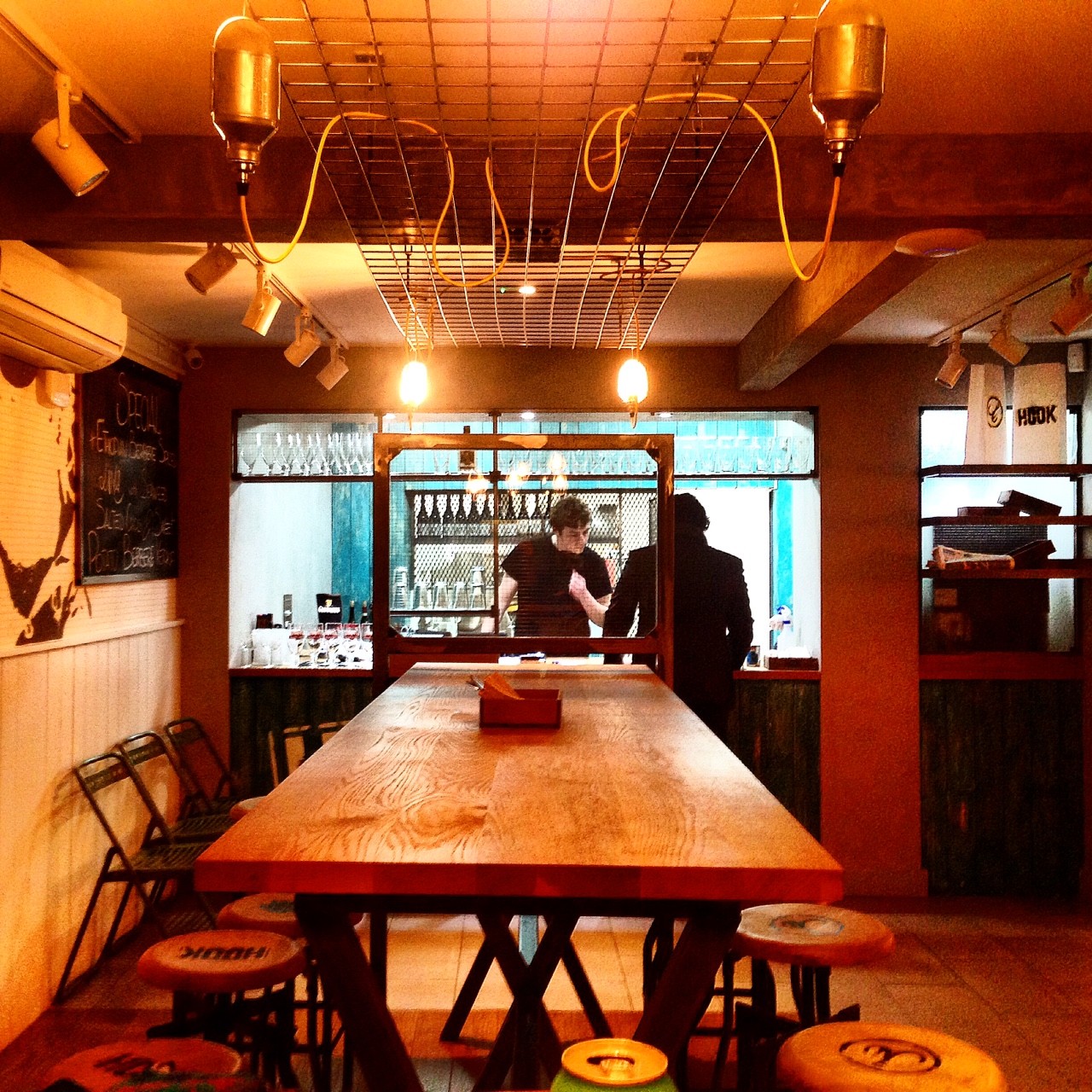
Hook, Camden Town
Extechnology delivered an odour control solution to support planning and neighbour acceptance while keeping pressure drops predictable.

Hoxton Hotel, Holborn
High‑efficiency ESP stages with low static and washable cells, supporting reliable operation and simplified servicing for a busy hospitality environment.