Odour Control
15 Feb 2026
Commercial Kitchen Odour Control Guide
Expert Strategies for Restaurants, Pubs & Food Businesses
Effective commercial kitchen filtration odour control is no longer just a compliance issue — it's critical for customer experience, staff comfort, and maintaining strong relationships with neighbouring businesses. Whether you're operating a restaurant, pub, takeaway, or large-scale food production facility, poorly managed cooking emissions can quickly become a serious operational risk.
In this guide, our air filtration consultants break down how modern commercial kitchen odour control systems work, when to use odour control carbon filters, and what solutions are best suited for pubs, restaurants, and high-volume kitchens.
Why Commercial Kitchen Odour Control Matters More Than Ever
Cooking processes generate complex airborne contaminants, including:
Grease particulates
Smoke and aerosol
VOCs (volatile organic compounds)
Combustion by-products
Strong cooking odours
Without proper air filtration for restaurants, these contaminants can:
Travel into customer dining areas
Affect nearby residential or commercial properties
Cause complaints and enforcement action
Create long-term duct contamination
Reduce indoor air quality for staff
For pubs and restaurants located in high-density areas — particularly city centres or mixed-use buildings — odour control for pubs and restaurants is often essential for planning approval and ongoing compliance.
How Commercial Kitchen Odour Control Systems Work
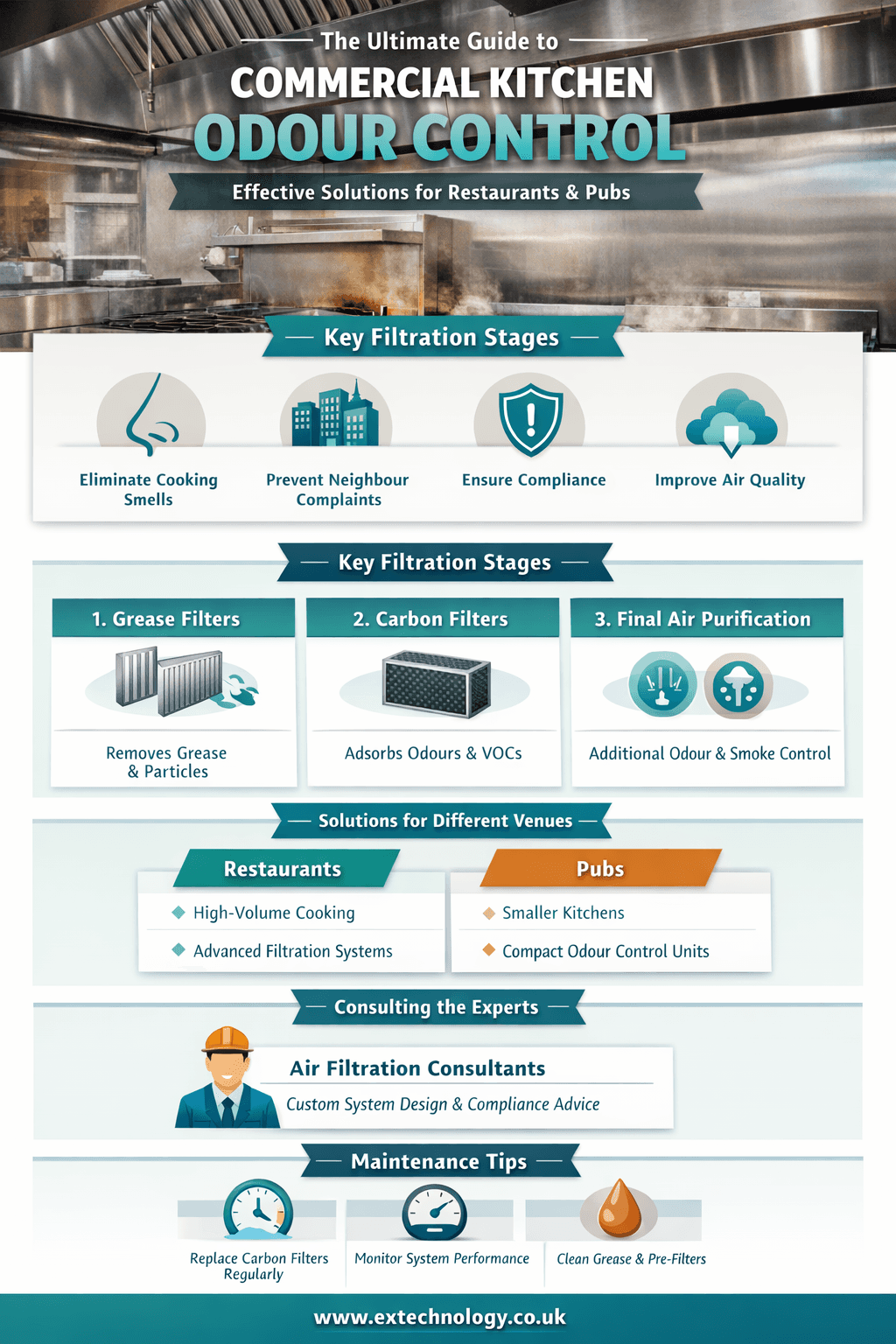
Modern commercial kitchen odour control systems typically use a multi-stage filtration approach:
1. Grease Filtration (Primary Stage)
The first stage removes grease particles using:
Baffle filters
Mesh filters
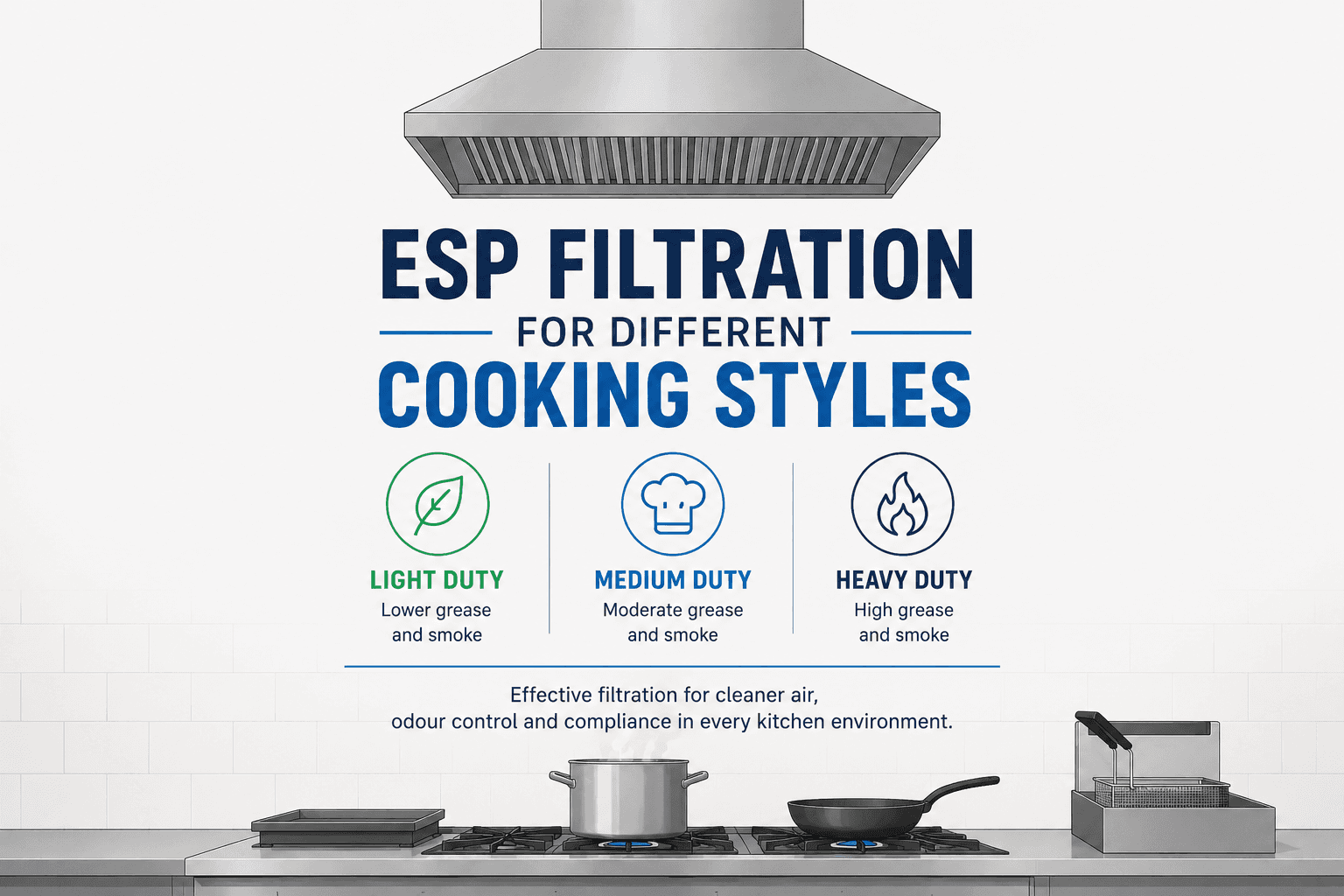
Electrostatic precipitators (ESP)
This step prevents grease from clogging downstream odour control carbon filters and improves system efficiency.
2. Odour Control Carbon Filters (Secondary Stage)
Odour control carbon filters are the core technology for removing cooking smells. These filters use activated carbon media to absorb:
Cooking odours
VOCs
Smoke residues
Organic compounds
High-quality carbon systems can achieve 95%+ odour reduction when correctly specified and maintained.
Air filtration consultants typically size carbon beds based on:
Airflow (m³/hr)
Cooking type (heavy frying vs light cooking)
Operating hours
Duct design and dwell time
Incorrect sizing is one of the most common causes of poor commercial kitchen odour control performance.
Air Filtration for Restaurants vs Pubs: Key Differences
While both require effective filtration, air filtration for restaurants and odour control for pubs often have different operational demands.
Restaurants
Restaurants often generate:
Continuous cooking emissions
High-temperature frying
Multiple cooking stations
This typically requires:
ESP grease removal
Deep carbon filtration beds
High-efficiency extraction systems
Pubs
Odour control for pubs often involves:
Intermittent cooking
Smaller kitchens
Limited duct routing options
In these cases, compact commercial kitchen odour control systems with modular carbon filtration are often the most effective solution.
When You Need Air Filtration Consultants / Odour Assessment Consultants
Professional air filtration consultants become essential when:
Kitchens are located in basements
Ventilation discharge points are near neighbours
Planning conditions require odour mitigation
Complaints or enforcement actions occur
New kitchen installations are being designed
Experienced consultants will assess:
Airflow calculations
Capture efficiency
Filtration staging
Maintenance requirements
Long-term operating costs
This ensures the commercial kitchen odour control solution performs reliably and remains compliant.
Best Practice: Maintaining Odour Control Carbon Filters
Even the best odour control carbon filters require maintenance:
Replace carbon media every 6–12 months (depending on use)
Monitor pressure drop across filters
Inspect for grease contamination
Maintain pre-filtration stages
Poor maintenance is the number one reason commercial kitchen odour control systems fail.
Building a Reliable Commercial Kitchen Odour Strategy
Effective commercial kitchen odour control requires more than installing a single filter. The most successful solutions combine:
Proper extraction design
Multi-stage filtration
High-quality odour control carbon filters
Expert input from air filtration consultants
Ongoing maintenance and monitoring
Whether you're installing a new system or upgrading an existing kitchen, investing in professional air filtration for restaurants or odour control for pubs ensures long-term compliance, improved air quality, and a better experience for customers and neighbours alike.

Emergency ESP Replacement Following Restaurant Fire
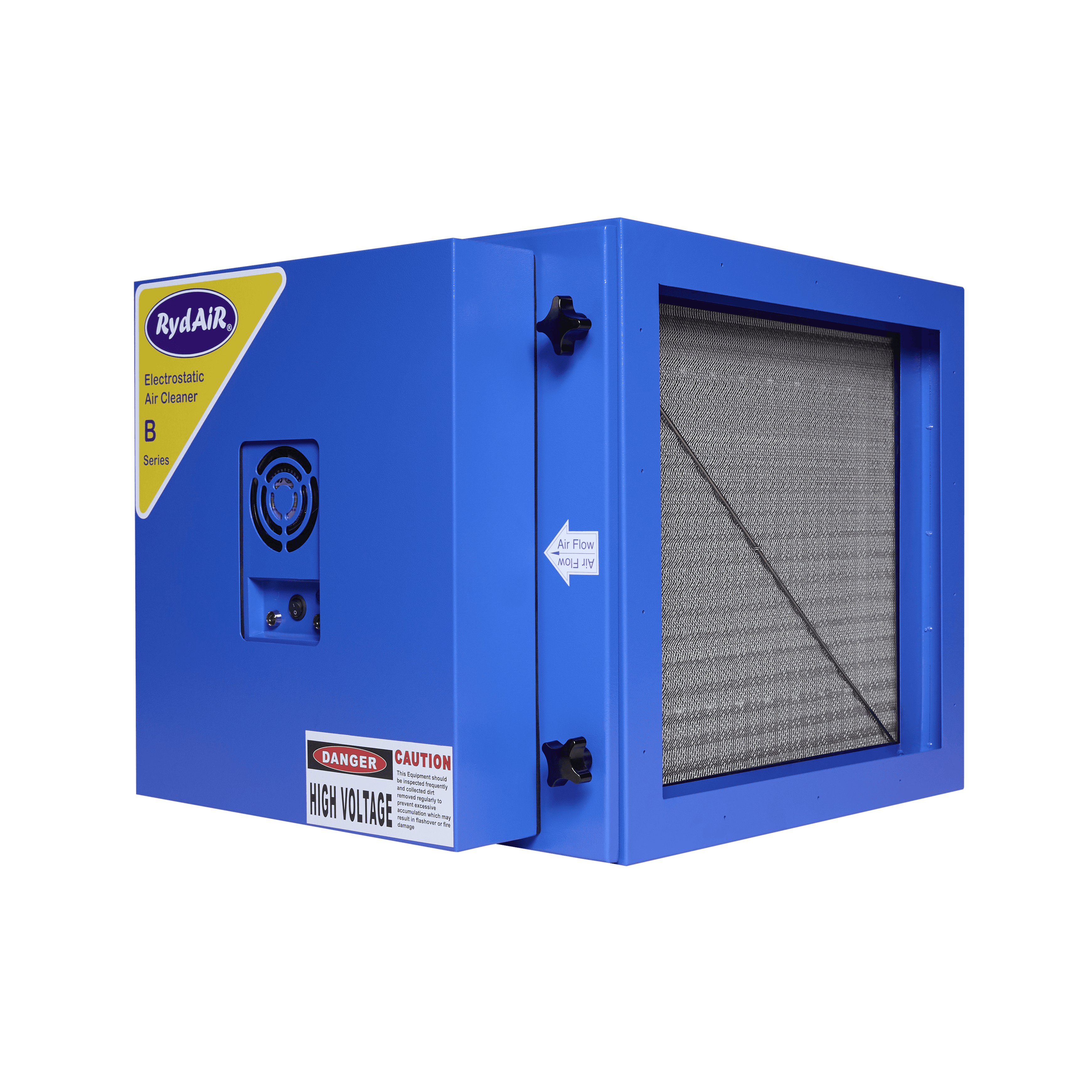
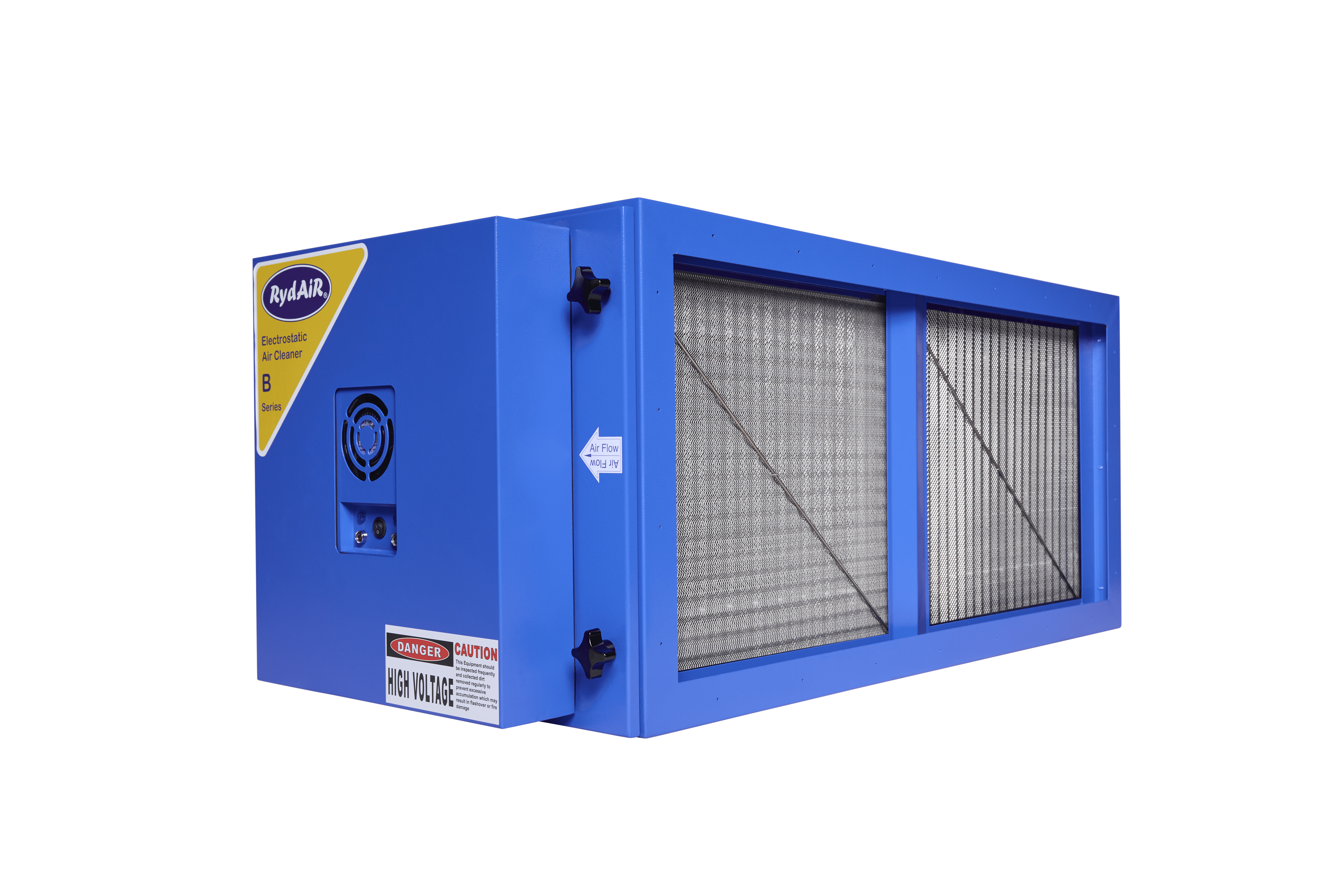
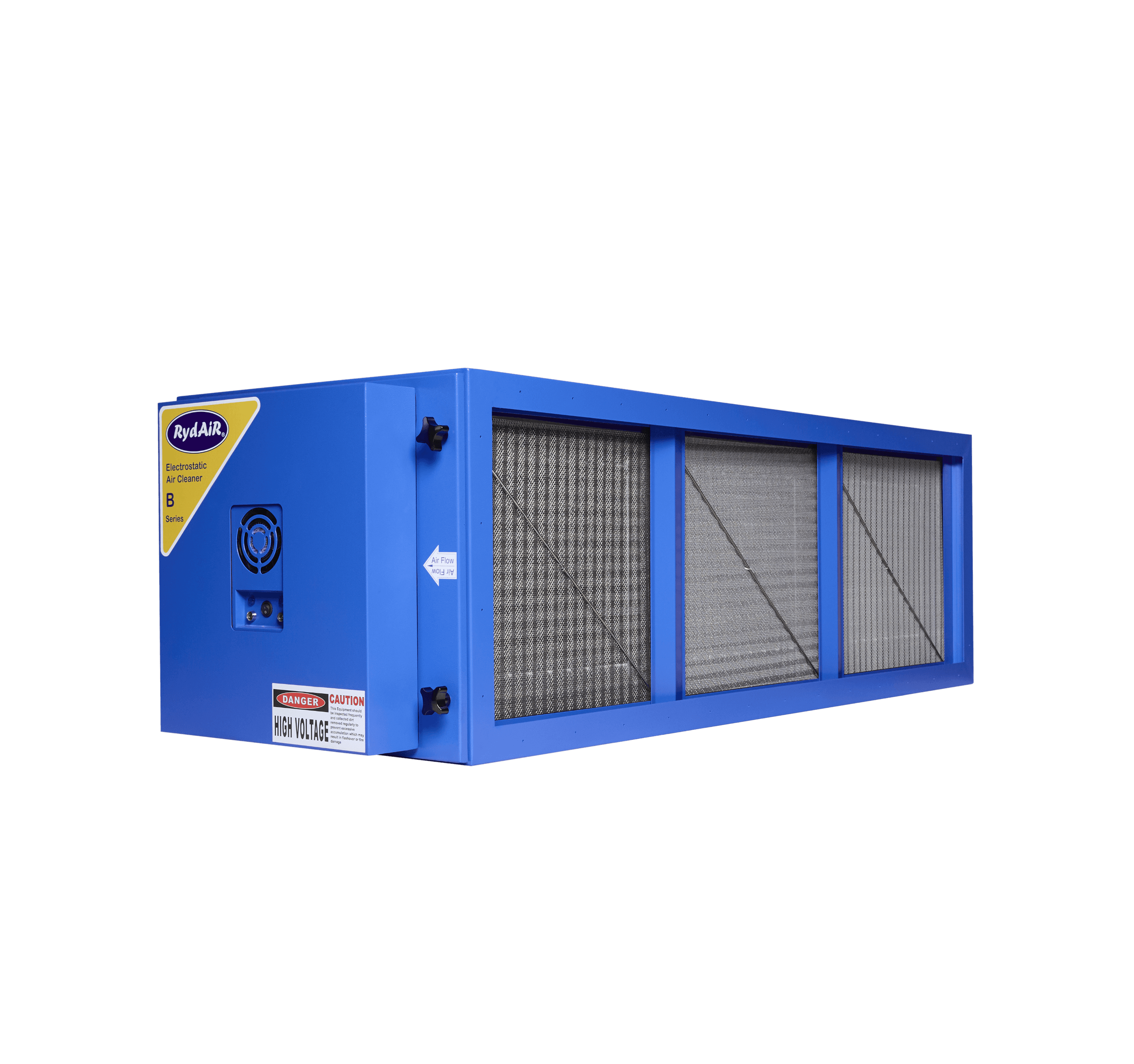
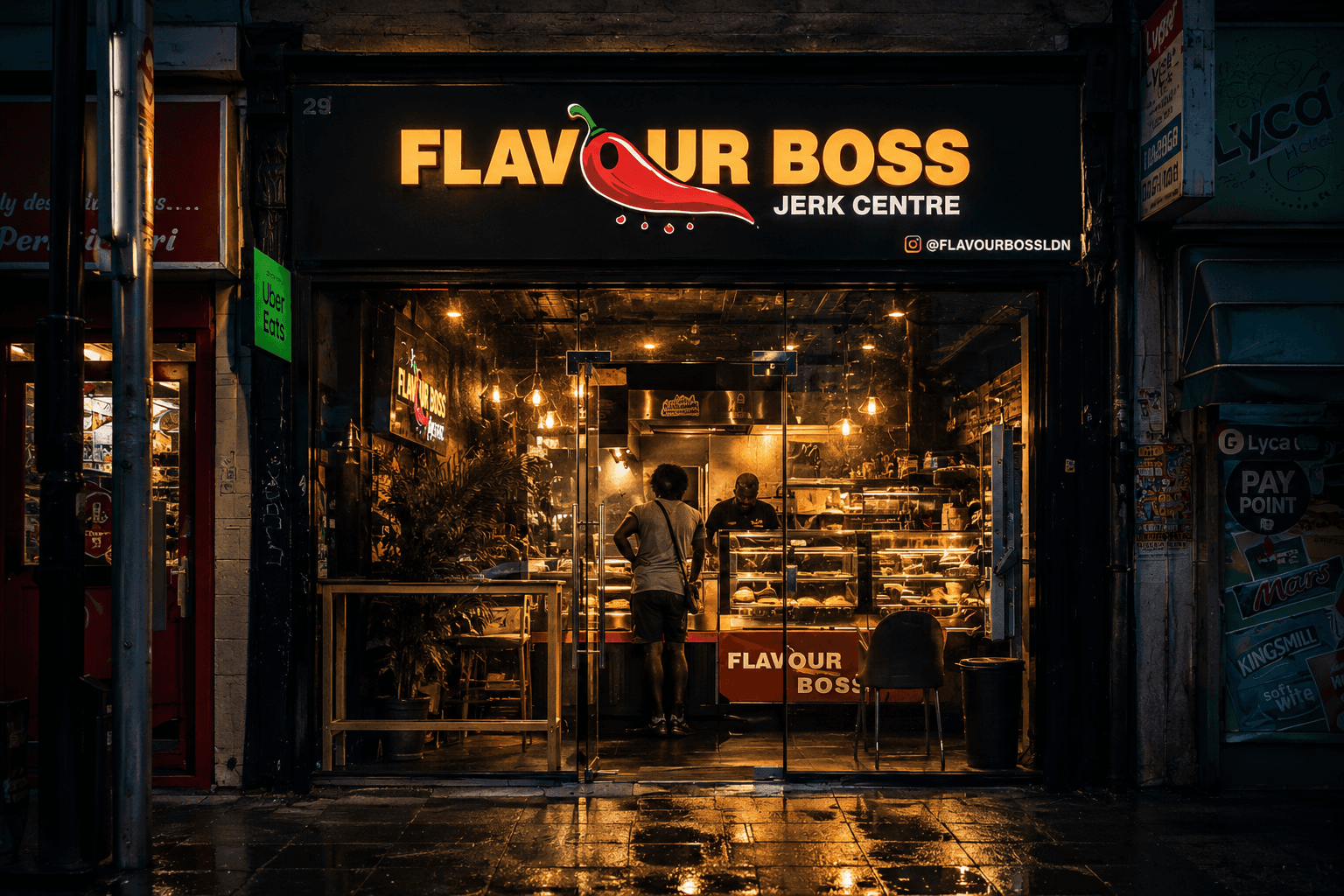
Emergency ESP Replacement Following Restaurant Fire Project Overview Extechnology was appointed to supply a rapid replacement ESP solution following a fire at a commercial restaurant kitchen. The fire had damaged the existing extraction and filtration equipment, leaving the restaurant unable to operate until the system was replaced. With business downtime directly affecting revenue and day-to-day operations, the project required a fast and straightforward solution that would allow the restaurant to reopen as quickly as possible. As the existing extract system had already been designed around a specific airflow requirement, the replacement ESP equipment needed to provide a like-for-like solution that could integrate easily into the existing setup without unnecessary redesign work or site modifications. The Challenge The restaurant required an urgent replacement of the damaged ESP equipment within a very short timeframe in order to minimise disruption to the business. Key challenges included: Rapid specification and supply of replacement ESP equipment Minimising operational downtime and financial losses Matching the existing airflow and system performance requirements Avoiding unnecessary ductwork or system alterations Supporting a fast-track installation and recommissioning programme With pressure to reopen quickly, maintaining speed throughout specification, processing and delivery was critical to the success of the project. The Solution Extechnology worked closely with the client and installation team to quickly identify a suitable like-for-like ESP replacement based on the existing system airflow and operational requirements. Using the original system information, the replacement ESP unit was selected to maintain the required airflow performance while integrating directly into the existing extraction arrangement. This simplified both specification and installation, avoiding delays associated with redesign or major system modifications. The focus throughout the project was to keep the process straightforward and efficient. Once the system requirements were confirmed, the replacement ESP equipment was rapidly processed and delivered within a short lead time to support the installation programme and help return the kitchen to operation as quickly as possible. Technology Used Like-for-like commercial kitchen Electrostatic Precipitator (ESP) Existing extraction system airflow configuration retained Washable ESP filtration technology for grease and smoke removal Compatible integration with existing ductwork and extraction layout Project Outcomes Rapid turnaround from enquiry to delivery Minimal downtime for the restaurant Fast-track installation and recommissioning Reduced disruption and business losses Successful reopening within a short timeframe Happy client and fully operational kitchen Consultant Notes The replacement ESP equipment was selected to match the airflow and operational characteristics of the original system, allowing the installation to proceed without significant modifications to the existing extract arrangement. By maintaining a like-for-like approach, the project avoided unnecessary complexity and enabled a faster overall delivery and installation programme, helping minimise disruption to the client’s business operations.
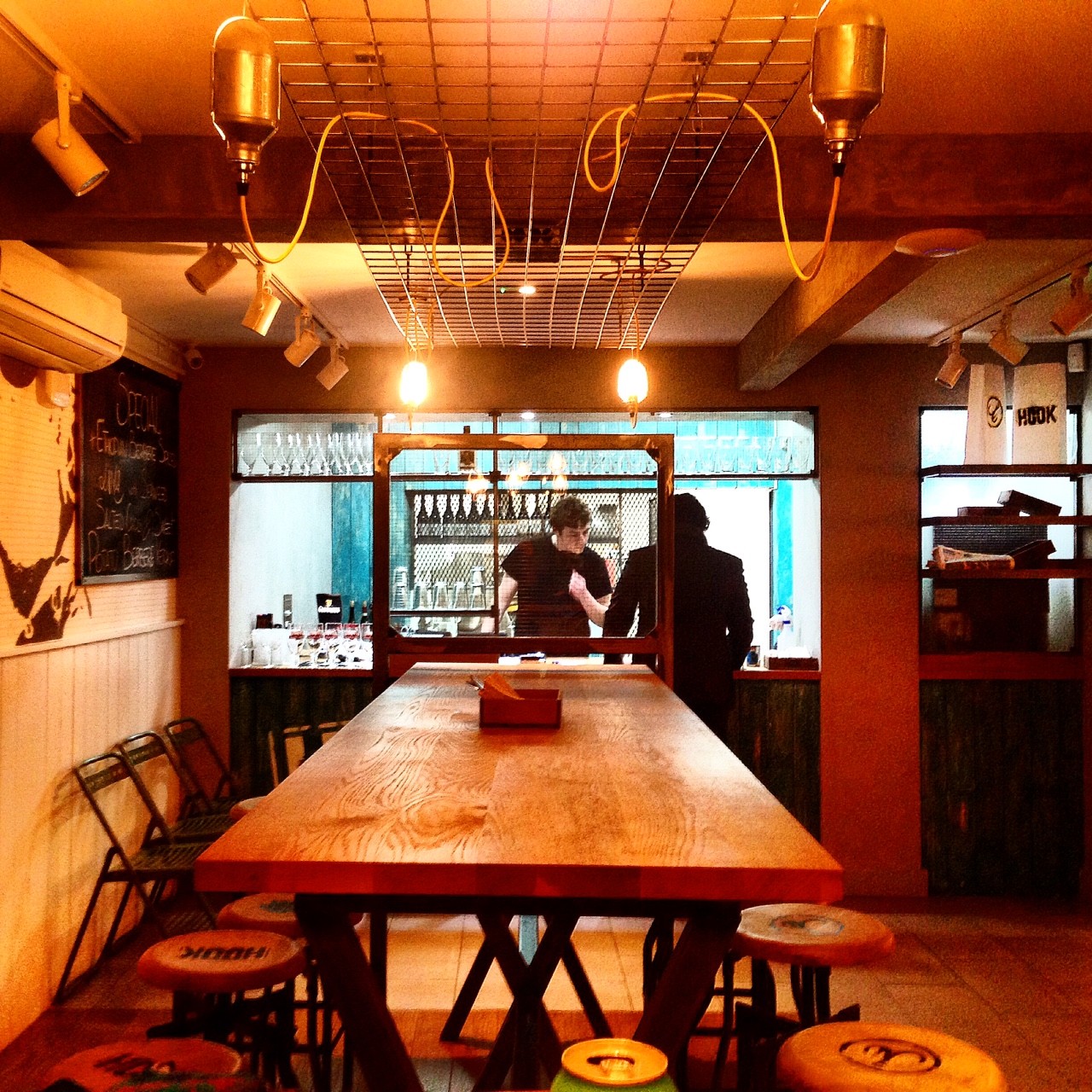
Hook, Camden Town
Extechnology delivered an odour control solution to support planning and neighbour acceptance while keeping pressure drops predictable.

Hoxton Hotel, Holborn
High‑efficiency ESP stages with low static and washable cells, supporting reliable operation and simplified servicing for a busy hospitality environment.