Odour Control
BS6173 and DW172 Checklist
If you work around commercial kitchens, you’ve probably heard DW172 and BS6173 mentioned a lot. They’re not just box-ticking standards — they’re what keep kitchen extract systems safe, compliant, and actually fit for purpose.
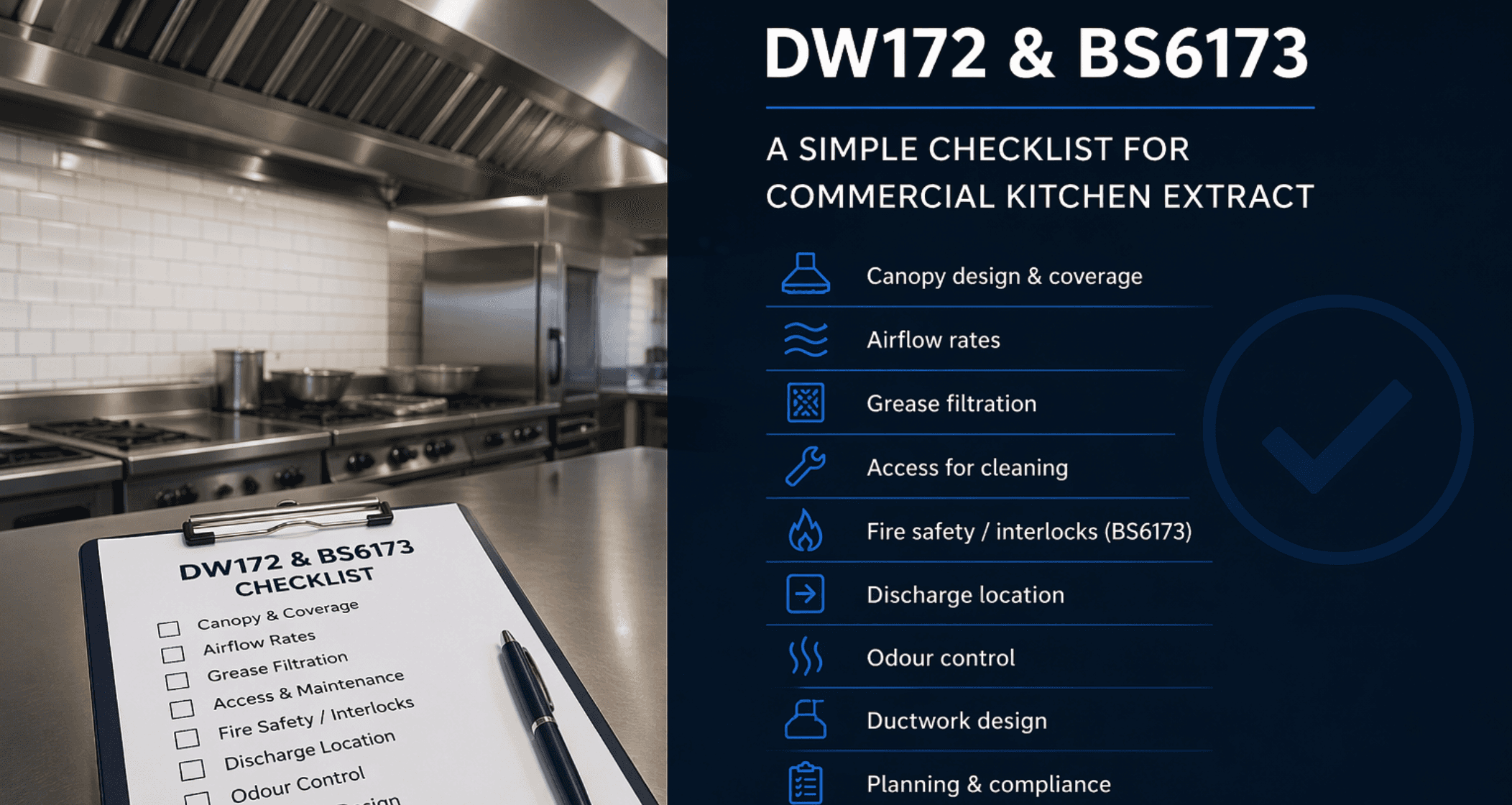
DW172 & BS6173: A Simple Checklist for Commercial Kitchen Extract
If you work around commercial kitchens, you’ve probably heard DW172 and BS6173 mentioned a lot. They’re not just box-ticking standards - they’re what keep kitchen extract systems safe, compliant, and actually fit for purpose.
The problem is, they can feel a bit heavy when you’re just trying to sense-check a job or move a project forward.
So here’s a straightforward way to look at it.
What are DW172 & BS6173 (in plain terms)?
DW172 is all about how your kitchen extract system is designed and built - airflow, ductwork, grease control, cleaning access, all of that.
BS6173 focuses on safety, particularly gas interlocks and making sure extraction is working properly before cooking equipment can run.
Together, they cover performance and safety - both need to be right.
A Simple Checklist to Run Through
When you’re looking at a project - whether it’s early design or reviewing something already installed — these are the key things worth checking:
1. Canopy design & coverage
Is the canopy actually sized and positioned correctly for the cooking equipment?
If it’s too small or poorly placed, everything else struggles.
2. Airflow rates
Are you moving enough air for the cooking duty?
Heavy-duty cooking (chargrills, fryers, wok burners) needs more extraction than light use.
3. Grease filtration
Are proper grease filters in place and suitable for the application?
This is a core part of DW172 - and it directly affects fire risk and system performance.
4. Access for cleaning
Can the system actually be cleaned?
Access panels, removable sections, and sensible routing matter more than people think.
5. Fire safety / interlocks (BS6173)
Is there a gas interlock in place?
Does the system prove airflow before allowing gas to the appliances?
This is a big one for compliance and safety.
6. Discharge location
Where is the air actually going?
If the outlet is poorly positioned, you’ll likely run into odour complaints or planning issues.
7. Odour control
Do you need it - and if so, is it suitable?
City centres, basements, or tight sites usually need additional filtration like ESP, carbon, or UV.
8. Ductwork design
Is the ductwork sized correctly, routed sensibly, and accessible?
Long runs, sharp bends, and no access = problems later.
9. Planning & site constraints
Are there local authority requirements or restrictions?
Things like discharge height, proximity to neighbours, and noise can all come into play.
Why this matters (beyond compliance)
A lot of issues we see aren’t because people ignore standards - it’s because things get missed early on.
That usually leads to:
Costly changes later
Planning pushback
Odour complaints
Systems that just don’t perform properly
Running through a simple checklist like this early on can save a lot of time and hassle.
You don’t need to overcomplicate DW172 and BS6173.
If the system is:
Capturing properly
Moving enough air
Safe to operate
Easy to maintain
And not causing issues outside the building
…you’re on the right track.


Emergency ESP Replacement Following Restaurant Fire
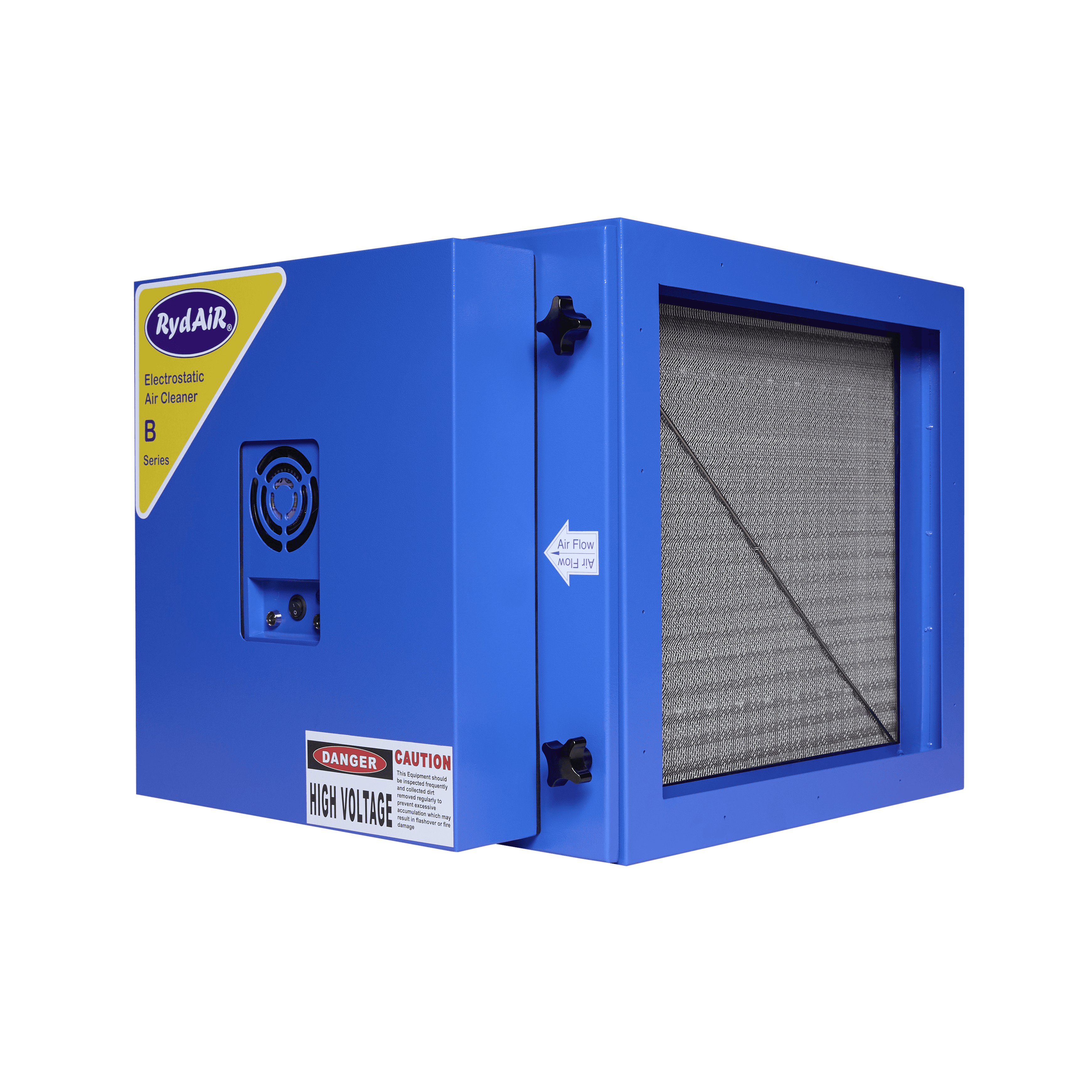
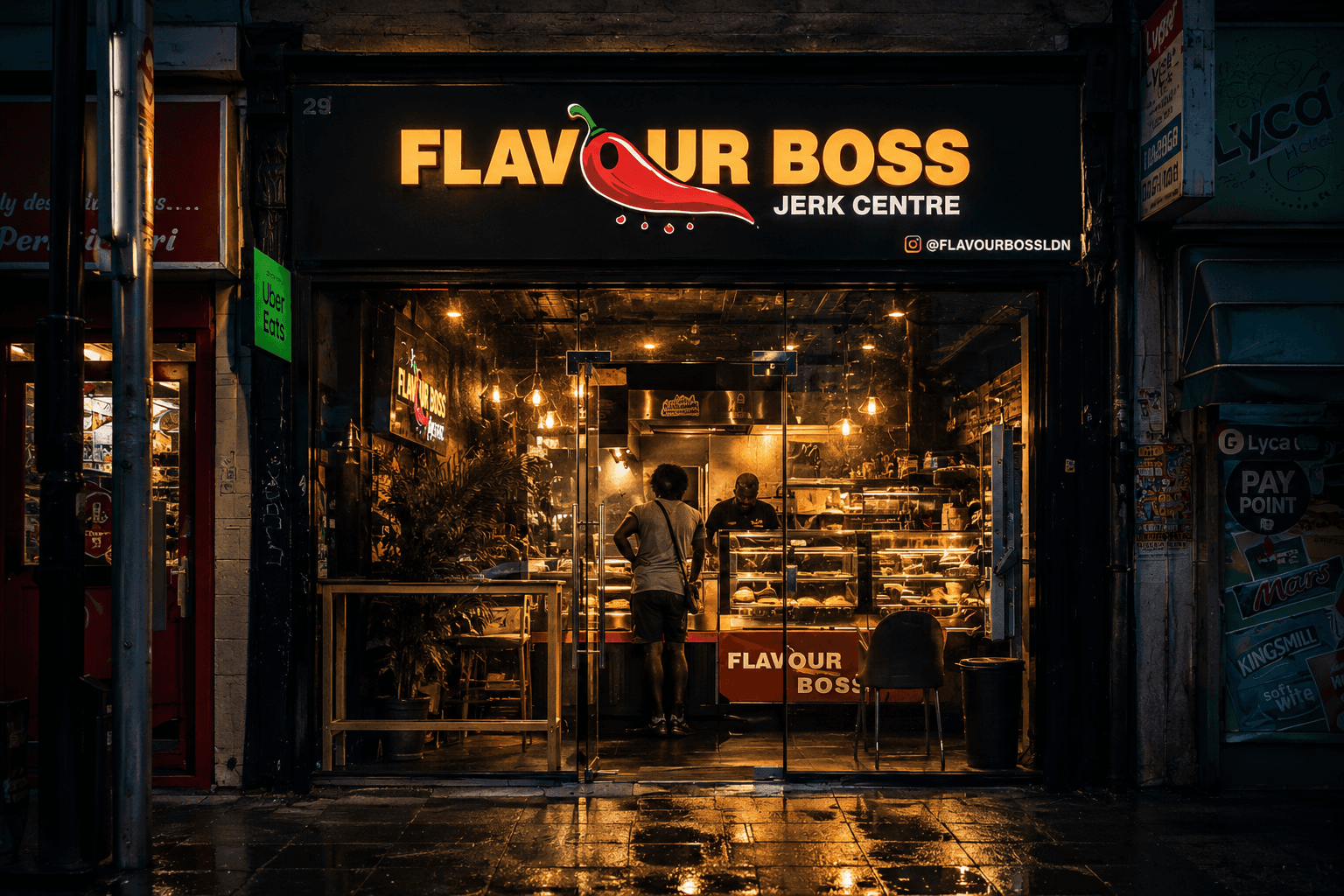
Emergency ESP Replacement Following Restaurant Fire Project Overview Extechnology was appointed to supply a rapid replacement ESP solution following a fire at a commercial restaurant kitchen. The fire had damaged the existing extraction and filtration equipment, leaving the restaurant unable to operate until the system was replaced. With business downtime directly affecting revenue and day-to-day operations, the project required a fast and straightforward solution that would allow the restaurant to reopen as quickly as possible. As the existing extract system had already been designed around a specific airflow requirement, the replacement ESP equipment needed to provide a like-for-like solution that could integrate easily into the existing setup without unnecessary redesign work or site modifications. The Challenge The restaurant required an urgent replacement of the damaged ESP equipment within a very short timeframe in order to minimise disruption to the business. Key challenges included: Rapid specification and supply of replacement ESP equipment Minimising operational downtime and financial losses Matching the existing airflow and system performance requirements Avoiding unnecessary ductwork or system alterations Supporting a fast-track installation and recommissioning programme With pressure to reopen quickly, maintaining speed throughout specification, processing and delivery was critical to the success of the project. The Solution Extechnology worked closely with the client and installation team to quickly identify a suitable like-for-like ESP replacement based on the existing system airflow and operational requirements. Using the original system information, the replacement ESP unit was selected to maintain the required airflow performance while integrating directly into the existing extraction arrangement. This simplified both specification and installation, avoiding delays associated with redesign or major system modifications. The focus throughout the project was to keep the process straightforward and efficient. Once the system requirements were confirmed, the replacement ESP equipment was rapidly processed and delivered within a short lead time to support the installation programme and help return the kitchen to operation as quickly as possible. Technology Used Like-for-like commercial kitchen Electrostatic Precipitator (ESP) Existing extraction system airflow configuration retained Washable ESP filtration technology for grease and smoke removal Compatible integration with existing ductwork and extraction layout Project Outcomes Rapid turnaround from enquiry to delivery Minimal downtime for the restaurant Fast-track installation and recommissioning Reduced disruption and business losses Successful reopening within a short timeframe Happy client and fully operational kitchen Consultant Notes The replacement ESP equipment was selected to match the airflow and operational characteristics of the original system, allowing the installation to proceed without significant modifications to the existing extract arrangement. By maintaining a like-for-like approach, the project avoided unnecessary complexity and enabled a faster overall delivery and installation programme, helping minimise disruption to the client’s business operations.
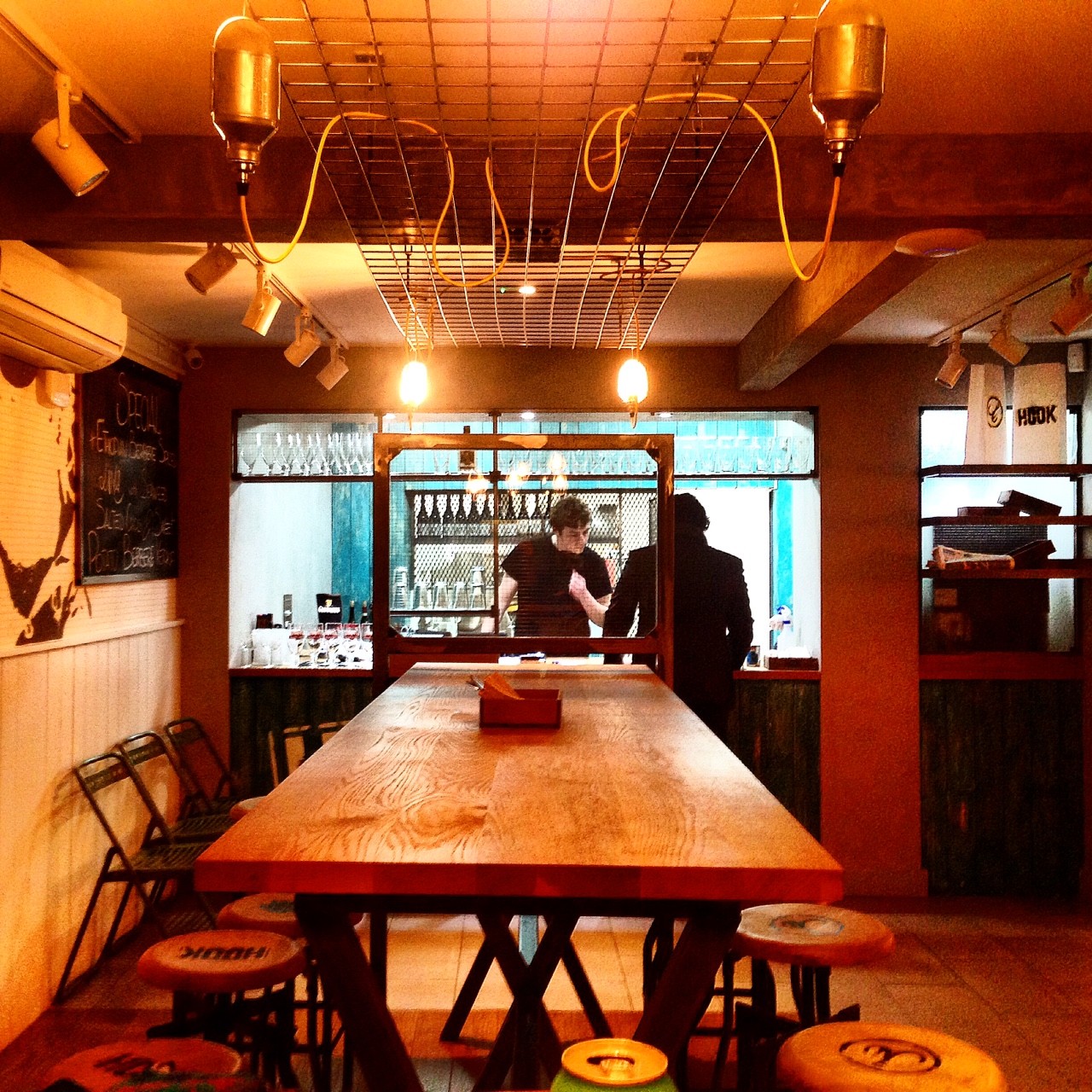
Hook, Camden Town
Extechnology delivered an odour control solution to support planning and neighbour acceptance while keeping pressure drops predictable.

Hoxton Hotel, Holborn
High‑efficiency ESP stages with low static and washable cells, supporting reliable operation and simplified servicing for a busy hospitality environment.