Electrostatic Precipitator
Duct Design and ESP Performance in Commercial Kitchens
Electrostatic precipitator (ESP) units are widely used in commercial kitchen extraction systems to remove grease, smoke and airborne particulates. However,...
Why Correct Duct Design Is Critical to ESP Performance in Commercial Kitchens
Electrostatic precipitator (ESP) units are widely used in commercial kitchen extraction systems to remove grease, smoke and airborne particulates. However, even the most advanced ESP unit will underperform if the ductwork feeding it is incorrectly designed.
In commercial kitchens, ESP performance is not just about the unit itself — it is fundamentally linked to duct velocities, airflow stability, and compliant duct transitions. Poor duct design can “suffocate” airflow, increase pressure losses, and significantly reduce filtration efficiency.
Duct Velocity: Getting the Balance Right
Ductwork must be designed to handle the required airflow while maintaining appropriate air velocities. If velocities are too high, air passes through the system too quickly, reducing the effectiveness of the ESP. If velocities are too low, grease and particulates can settle within the ductwork, increasing fire risk and maintenance requirements.
Correct duct sizing ensures stable airflow through the ESP unit, consistent face velocity across the electrostatic cells, and effective particulate charging and collection. Duct velocities should always be calculated based on the required kitchen extract volume, rather than forcing airflow through undersized ductwork.
The Impact of Poor Transitions and Reducers
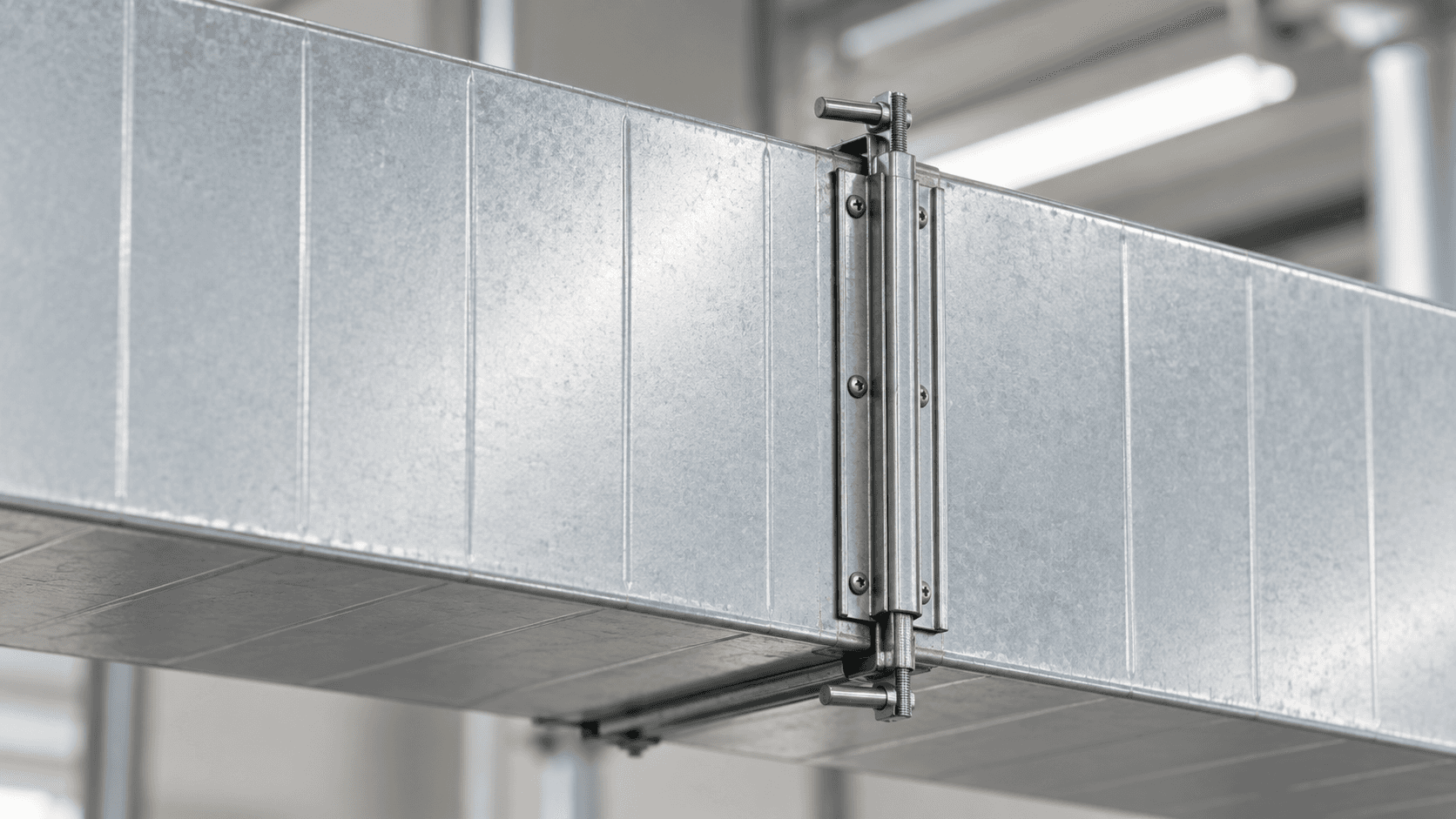
One of the most common issues seen on site is poorly designed duct connections to ESP units. Sharp reducers, abrupt transitions, or non-compliant duct fittings can severely restrict airflow and create turbulence upstream of the ESP.
All ductwork connections, transitions and reducers should be designed and manufactured in accordance with DW144 standards. Properly formed reducers allow airflow to transition smoothly, preventing pressure drops and uneven air distribution across the ESP cells.
Avoiding Airflow Restriction (“Suffocation”)
When ductwork is undersized or poorly adapted, the system effectively becomes choked. This restriction reduces airflow through the entire extraction system, impacting capture efficiency at the canopy, ESP filtration performance, and fan duty and lifespan.
Straight Duct Requirements Around ESP Units
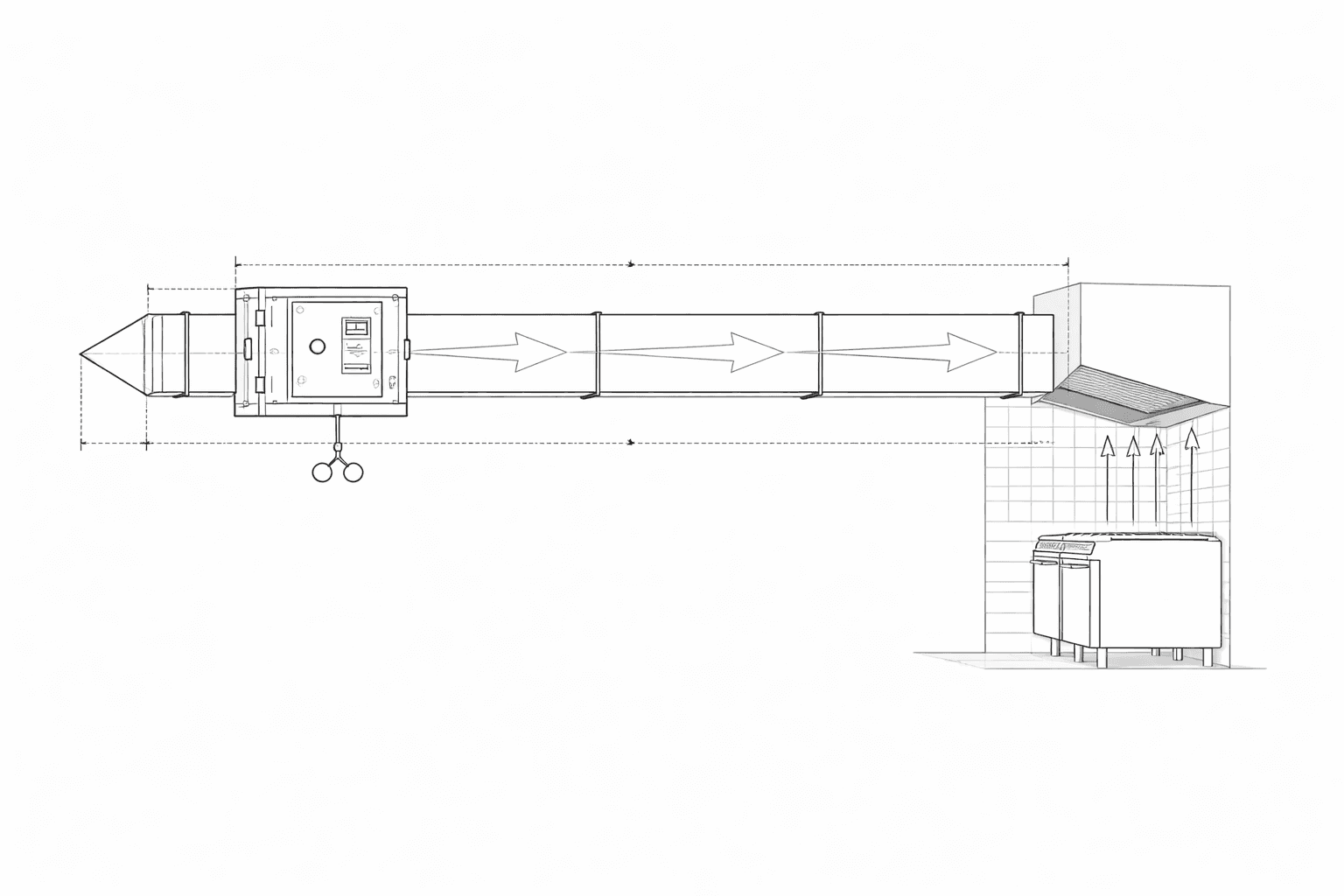
ESP units perform best when airflow entering the unit is stable and evenly distributed. Excessive bends, offsets, or dampers immediately upstream or downstream of the ESP can introduce turbulence and uneven velocities.
Where possible, straight duct runs should be provided before and after the ESP unit to allow airflow to stabilise. This helps maximise dwell time within the ESP cells and ensures consistent grease and particulate removal.
Designing for Performance from Canopy to Discharge
A successful commercial kitchen filtration system must be considered as a whole. From canopy capture through to final discharge, ductwork design plays a critical role in system efficiency, safety, and long-term reliability.
By ensuring correct duct velocities, DW144-compliant transitions, and adequate straight duct runs, ESP units can perform as intended — delivering effective filtration and supporting a cleaner, safer kitchen environment.


Emergency ESP Replacement Following Restaurant Fire
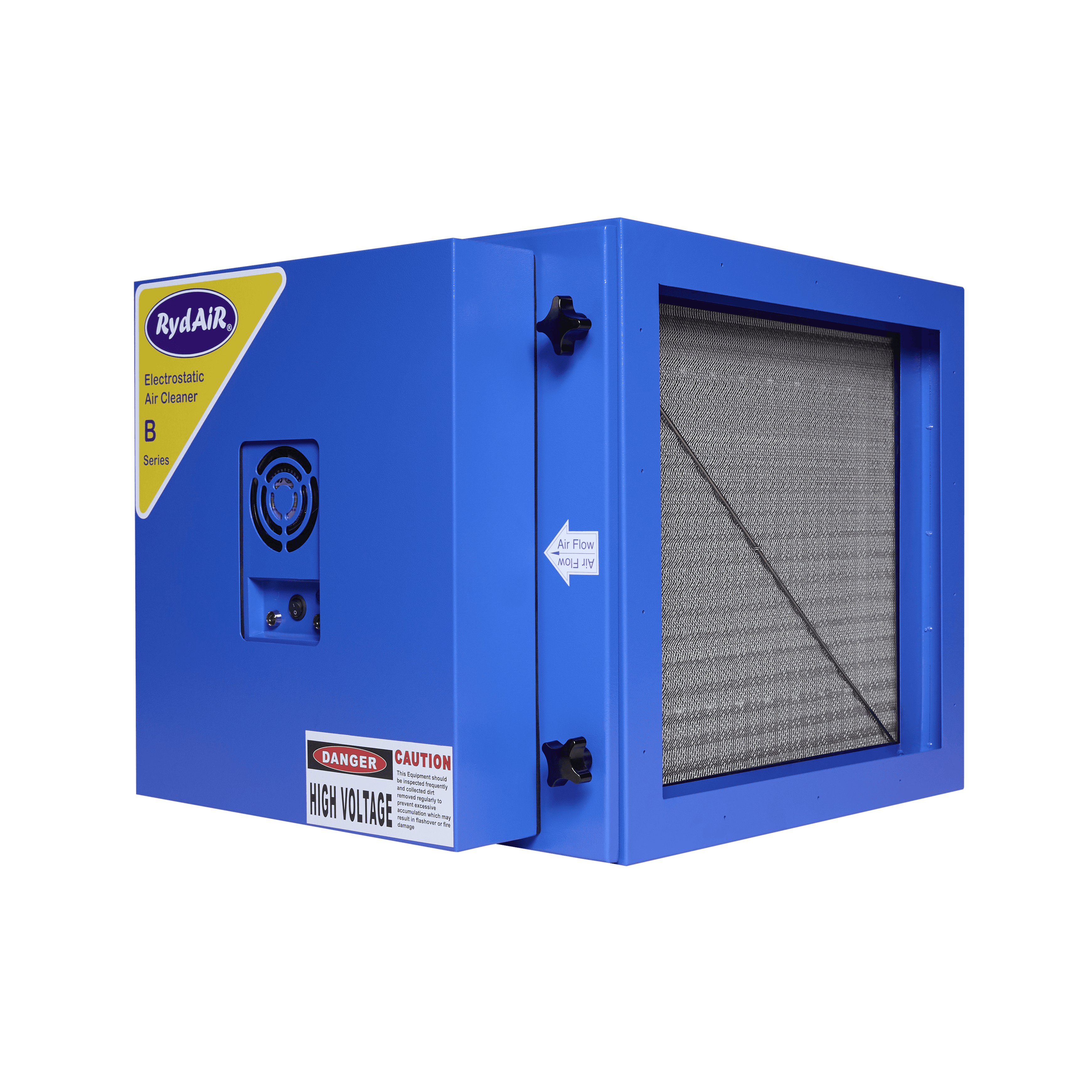
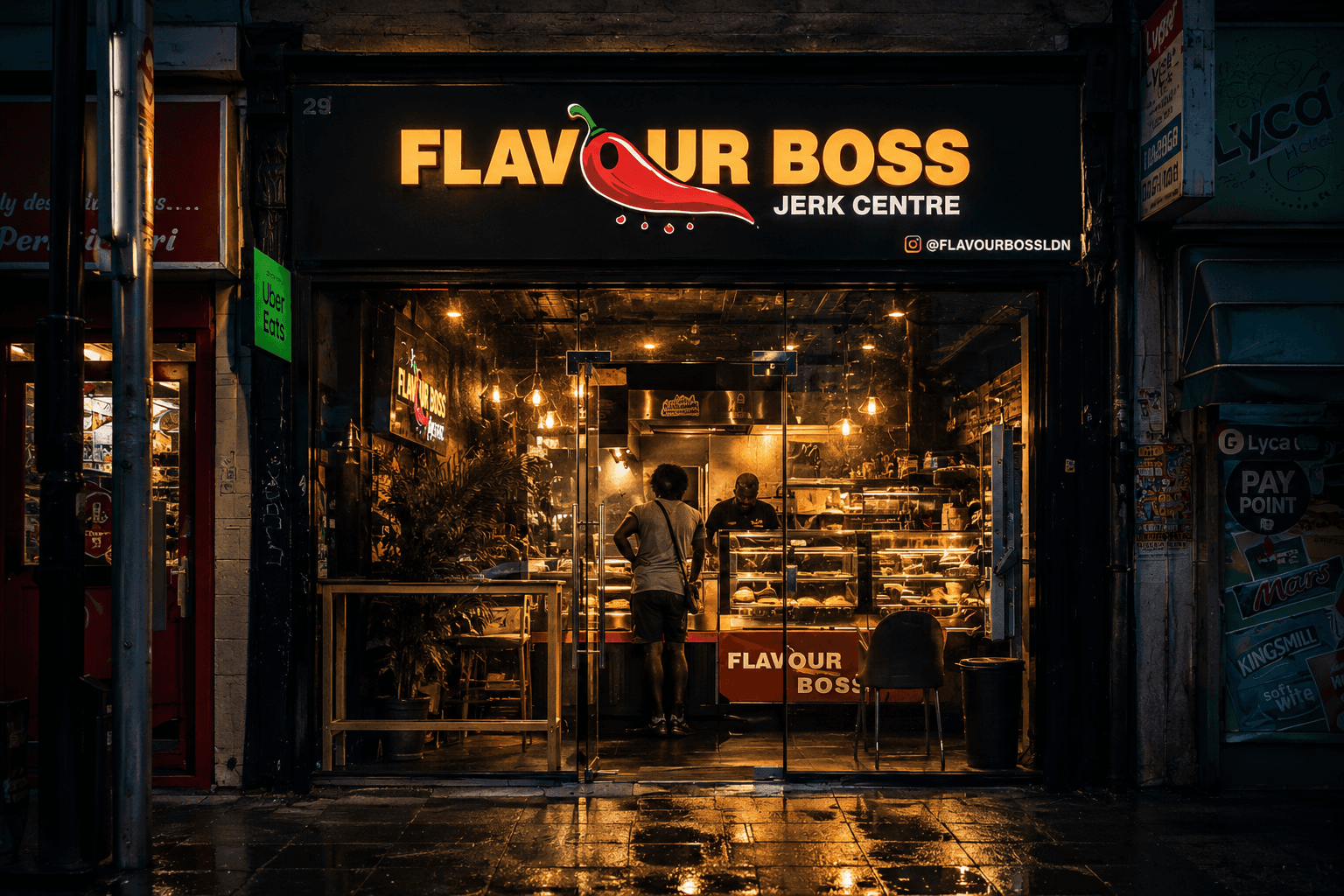
Emergency ESP Replacement Following Restaurant Fire Project Overview Extechnology was appointed to supply a rapid replacement ESP solution following a fire at a commercial restaurant kitchen. The fire had damaged the existing extraction and filtration equipment, leaving the restaurant unable to operate until the system was replaced. With business downtime directly affecting revenue and day-to-day operations, the project required a fast and straightforward solution that would allow the restaurant to reopen as quickly as possible. As the existing extract system had already been designed around a specific airflow requirement, the replacement ESP equipment needed to provide a like-for-like solution that could integrate easily into the existing setup without unnecessary redesign work or site modifications. The Challenge The restaurant required an urgent replacement of the damaged ESP equipment within a very short timeframe in order to minimise disruption to the business. Key challenges included: Rapid specification and supply of replacement ESP equipment Minimising operational downtime and financial losses Matching the existing airflow and system performance requirements Avoiding unnecessary ductwork or system alterations Supporting a fast-track installation and recommissioning programme With pressure to reopen quickly, maintaining speed throughout specification, processing and delivery was critical to the success of the project. The Solution Extechnology worked closely with the client and installation team to quickly identify a suitable like-for-like ESP replacement based on the existing system airflow and operational requirements. Using the original system information, the replacement ESP unit was selected to maintain the required airflow performance while integrating directly into the existing extraction arrangement. This simplified both specification and installation, avoiding delays associated with redesign or major system modifications. The focus throughout the project was to keep the process straightforward and efficient. Once the system requirements were confirmed, the replacement ESP equipment was rapidly processed and delivered within a short lead time to support the installation programme and help return the kitchen to operation as quickly as possible. Technology Used Like-for-like commercial kitchen Electrostatic Precipitator (ESP) Existing extraction system airflow configuration retained Washable ESP filtration technology for grease and smoke removal Compatible integration with existing ductwork and extraction layout Project Outcomes Rapid turnaround from enquiry to delivery Minimal downtime for the restaurant Fast-track installation and recommissioning Reduced disruption and business losses Successful reopening within a short timeframe Happy client and fully operational kitchen Consultant Notes The replacement ESP equipment was selected to match the airflow and operational characteristics of the original system, allowing the installation to proceed without significant modifications to the existing extract arrangement. By maintaining a like-for-like approach, the project avoided unnecessary complexity and enabled a faster overall delivery and installation programme, helping minimise disruption to the client’s business operations.
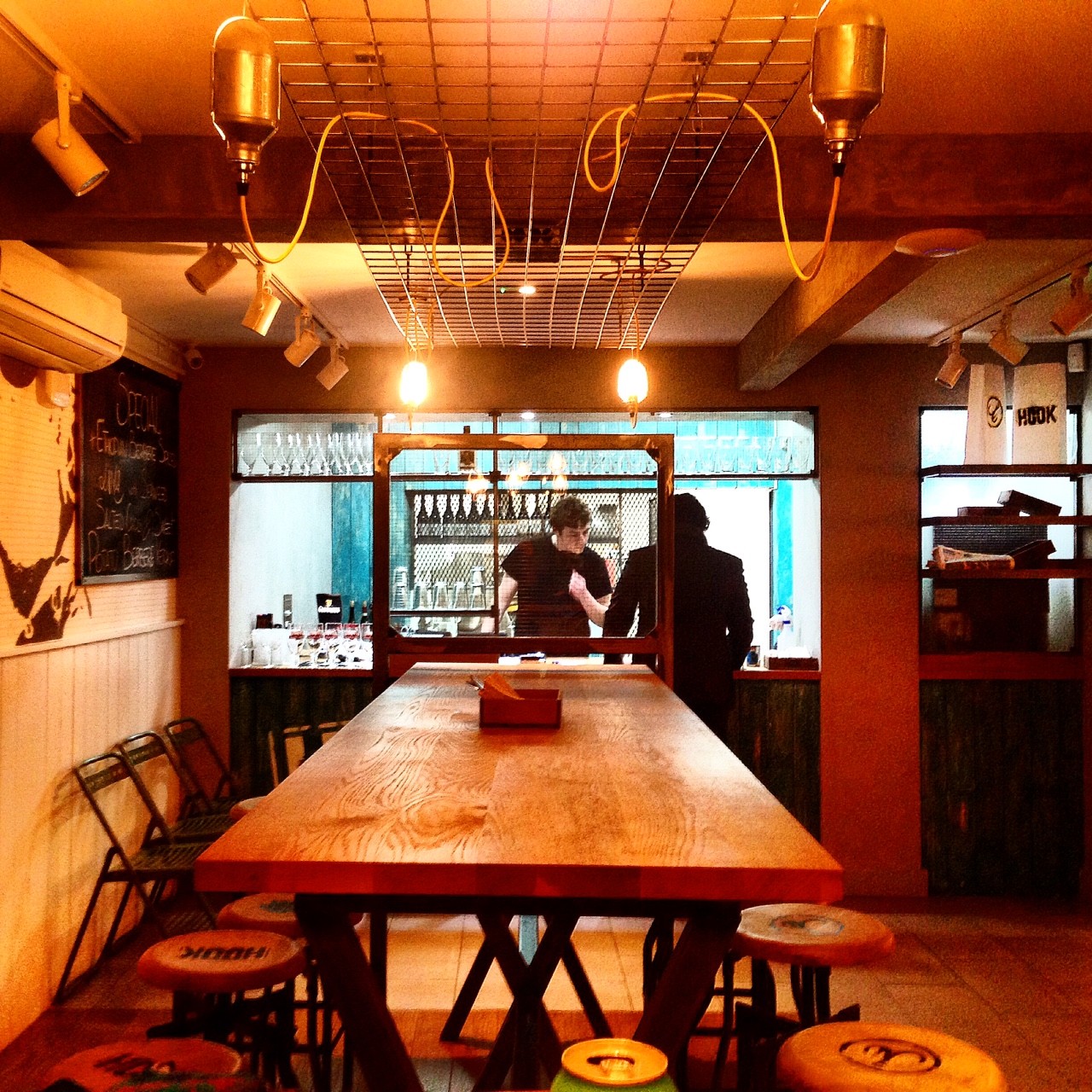
Hook, Camden Town
Extechnology delivered an odour control solution to support planning and neighbour acceptance while keeping pressure drops predictable.

Hoxton Hotel, Holborn
High‑efficiency ESP stages with low static and washable cells, supporting reliable operation and simplified servicing for a busy hospitality environment.