Electrostatic Precipitator
15 Feb 2026
Maintenance That Saves Money: ESP Cells, Carbon & UV‑C Schedules
Set realistic service intervals for pre‑filters, ESP cells, carbon and UV‑C. Lower call‑outs, stable pressure drop and better odour control — without over‑servicing.
Maintenance in the commercial kitchen filtration world is often seen as a necessary cost, but in commercial kitchens it’s actually one of the strongest levers you have for reducing downtime, stabilising airflow and preventing expensive odour or smoke incidents. When your filtration stages are clean and your airflow is predictable, fans work less, ducts stay safer, and call-outs drop sharply. Below is a practical, real-world schedule that operators, FM teams and consultants can adapt to any site.
Commercial Kitchen Pre-Filters
Pre-filters protect everything downstream, so they need regular attention.Check them weekly and wash them in warm water with a suitable degreaser. Make sure they are fully dry before refitting, otherwise moisture can cause corrosion in ESP cells and disrupt the ionisation process.Typical interval for washing or replacement is 1–4 weeks depending on the site’s cooking load, hours, and canopy performance. High-grease sites will need more frequent checks.
Commercial Kitchen ESP Collector Cells
ESP cells do the hard work of capturing grease and smoke particulates. When they load up, efficiency drops and pressure increases. A cleaning interval of every 4–8 weeks suits most commercial kitchens, but heavy-duty restaurants or high-temperature cooking may need shorter cycles. Clean with approved alkaline cleaners, rinse thoroughly, and allow complete drying before reinstating. Always document each service in a logbook - it’s valuable for TR19, EHOs, insurers and landlords.
Activated Carbon
Carbon filters are your main odour stage, but they only work effectively when upstream filtration is performing.Plan change-outs before breakthrough rather than waiting until complaints arise. If odour increases between scheduled visits, it’s almost always due to an upstream issue: dirty pre-filters, overloaded ESP cells, airflow reduction, or bypass.A quick airflow verification and ESP check should be your first response before replacing carbon unnecessarily.
UV-C / Ozone Stages
UV-C and ozone systems have very specific maintenance needs.Lamps typically need replacement around 12,000–13,000 operating hours to maintain correct output. After works, verify door interlocks, airflow proving switches and safety interlocks — these ensure ozone is never generated without adequate airflow.Never operate ozone systems during cleaning or when the fan is off. Proper safety checks protect staff and ensure compliance.
Why Schedules Pay Back
A structured maintenance plan isn’t just compliance - it’s a financial strategy. Lower pressure drop means reduced fan energy, quieter operation, and fewer overheating faults. Cleaner ducts help maintain TR19 hygiene intervals, reduce fire load and extend the lifespan of the extract system. Predictable planned visits prevent emergency call-outs during peak trading hours and keep the kitchen stable when it matters most.
Prefer to Outsource Maintenance?
Our sister company, Arden Environmental, delivers planned maintenance for ESP, carbon, UV-C, ozone and complete extract systems. If you’d rather focus on running your kitchen, we’ll keep your airflow, odour and compliance fully under control.

Emergency ESP Replacement Following Restaurant Fire
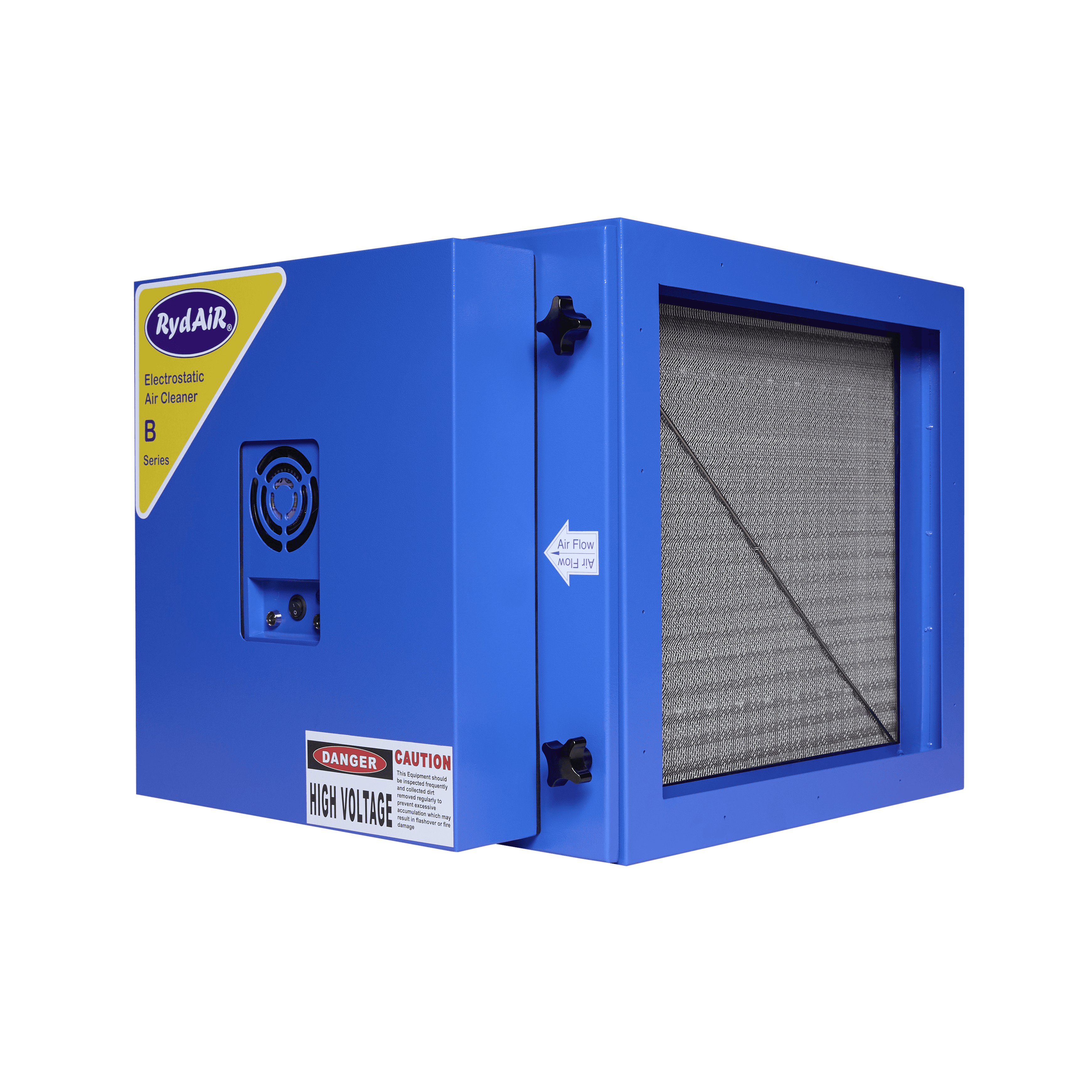
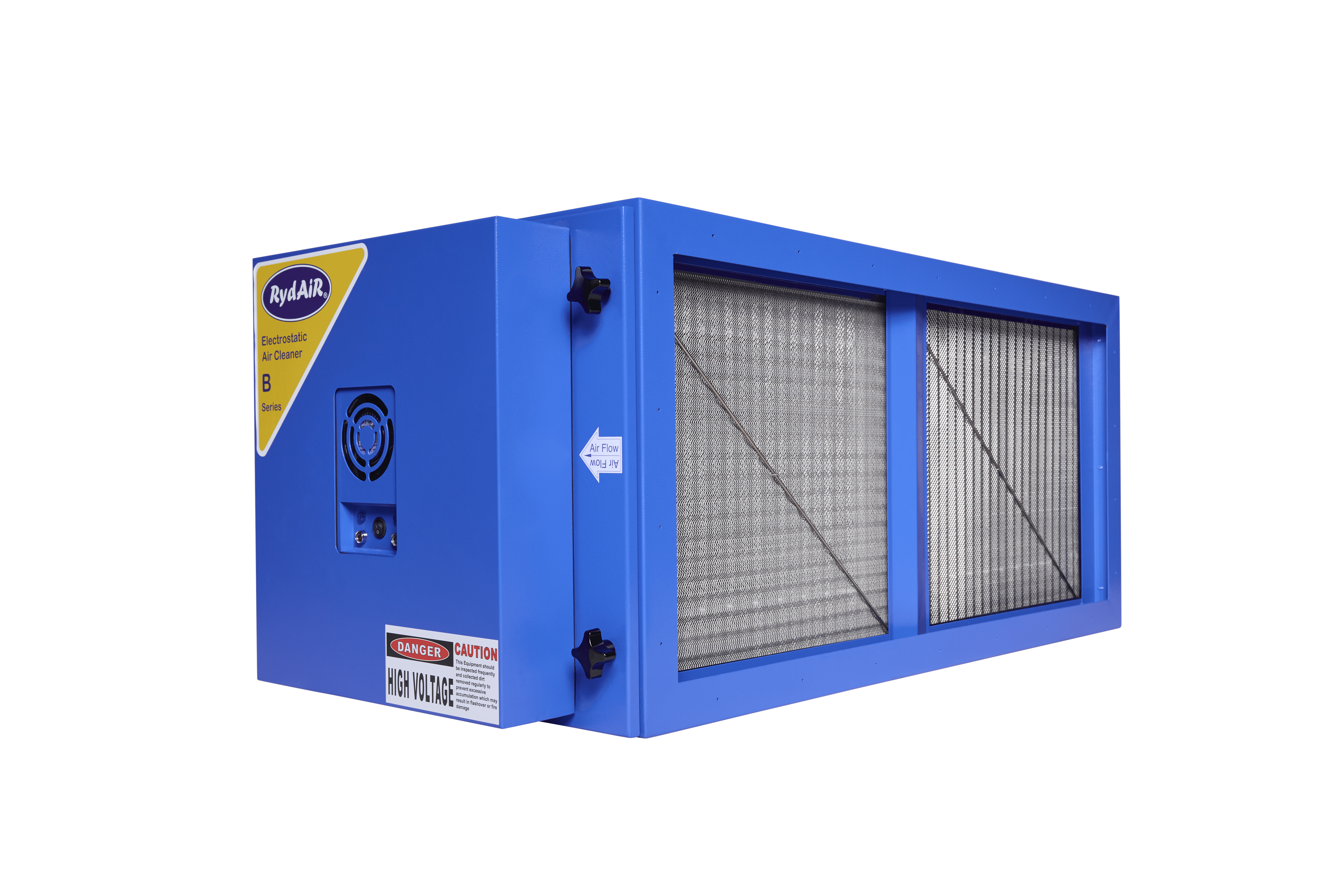
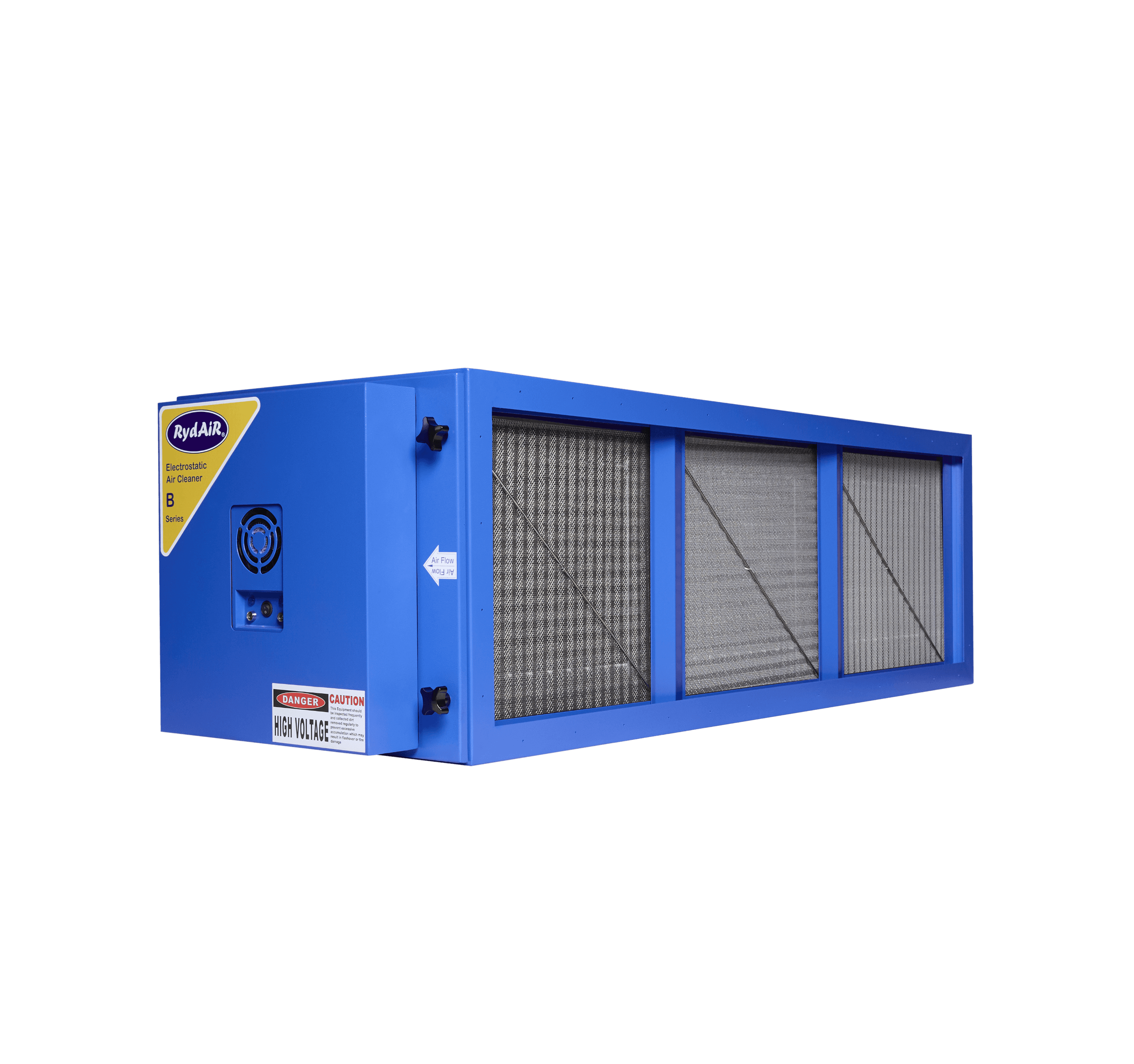
Emergency ESP Replacement Following Restaurant Fire Project Overview Extechnology was appointed to supply a rapid replacement ESP solution following a fire at a commercial restaurant kitchen. The fire had damaged the existing extraction and filtration equipment, leaving the restaurant unable to operate until the system was replaced. With business downtime directly affecting revenue and day-to-day operations, the project required a fast and straightforward solution that would allow the restaurant to reopen as quickly as possible. As the existing extract system had already been designed around a specific airflow requirement, the replacement ESP equipment needed to provide a like-for-like solution that could integrate easily into the existing setup without unnecessary redesign work or site modifications. The Challenge The restaurant required an urgent replacement of the damaged ESP equipment within a very short timeframe in order to minimise disruption to the business. Key challenges included: Rapid specification and supply of replacement ESP equipment Minimising operational downtime and financial losses Matching the existing airflow and system performance requirements Avoiding unnecessary ductwork or system alterations Supporting a fast-track installation and recommissioning programme With pressure to reopen quickly, maintaining speed throughout specification, processing and delivery was critical to the success of the project. The Solution Extechnology worked closely with the client and installation team to quickly identify a suitable like-for-like ESP replacement based on the existing system airflow and operational requirements. Using the original system information, the replacement ESP unit was selected to maintain the required airflow performance while integrating directly into the existing extraction arrangement. This simplified both specification and installation, avoiding delays associated with redesign or major system modifications. The focus throughout the project was to keep the process straightforward and efficient. Once the system requirements were confirmed, the replacement ESP equipment was rapidly processed and delivered within a short lead time to support the installation programme and help return the kitchen to operation as quickly as possible. Technology Used Like-for-like commercial kitchen Electrostatic Precipitator (ESP) Existing extraction system airflow configuration retained Washable ESP filtration technology for grease and smoke removal Compatible integration with existing ductwork and extraction layout Project Outcomes Rapid turnaround from enquiry to delivery Minimal downtime for the restaurant Fast-track installation and recommissioning Reduced disruption and business losses Successful reopening within a short timeframe Happy client and fully operational kitchen Consultant Notes The replacement ESP equipment was selected to match the airflow and operational characteristics of the original system, allowing the installation to proceed without significant modifications to the existing extract arrangement. By maintaining a like-for-like approach, the project avoided unnecessary complexity and enabled a faster overall delivery and installation programme, helping minimise disruption to the client’s business operations.
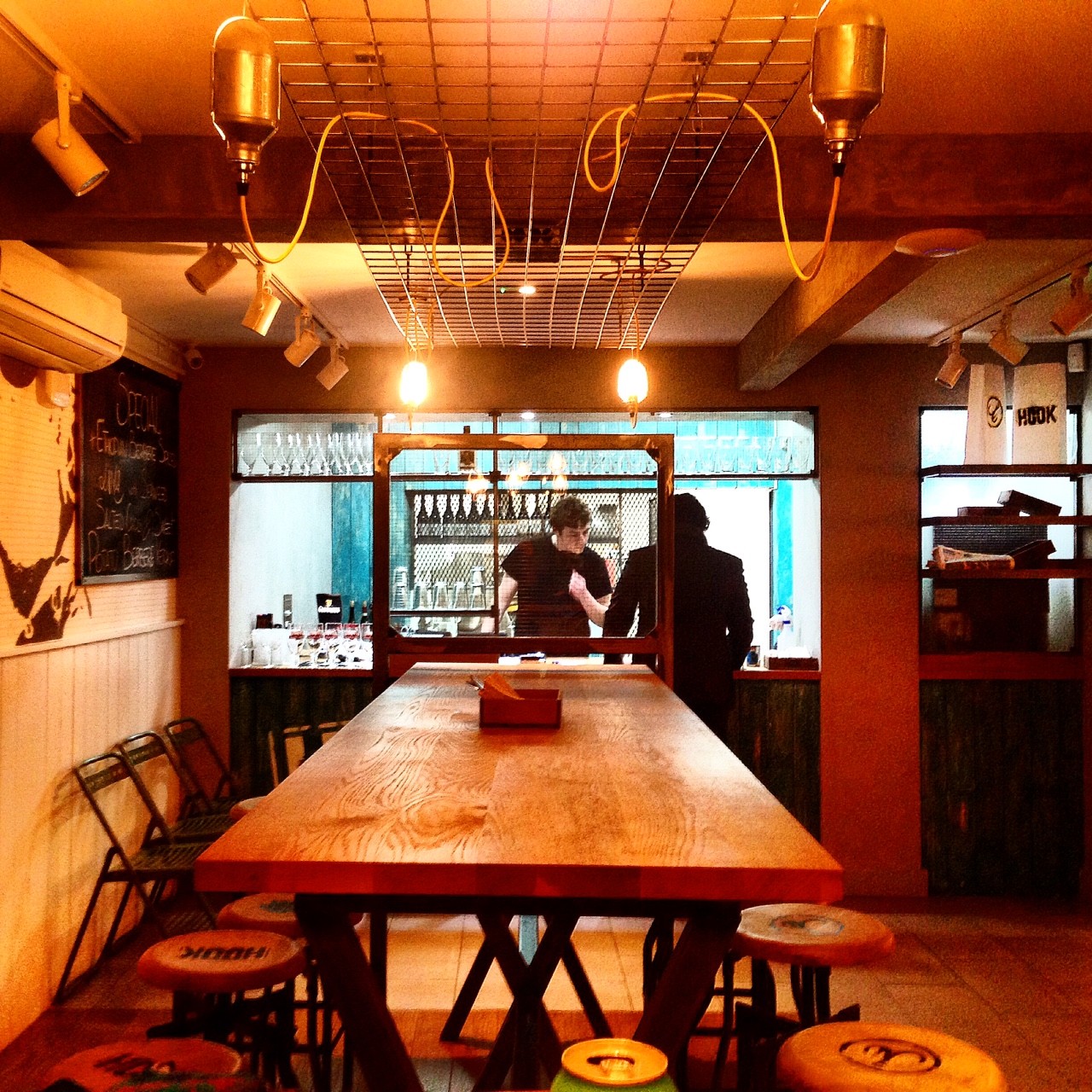
Hook, Camden Town
Extechnology delivered an odour control solution to support planning and neighbour acceptance while keeping pressure drops predictable.

Hoxton Hotel, Holborn
High‑efficiency ESP stages with low static and washable cells, supporting reliable operation and simplified servicing for a busy hospitality environment.