Electrostatic Precipitator
How Airflow Rates Affect ESP Performance in Commercial Kitchens
Correct airflow rates are critical to the effective operation of electrostatic precipitator (ESP) units in commercial kitchen extraction systems. While ESPs...
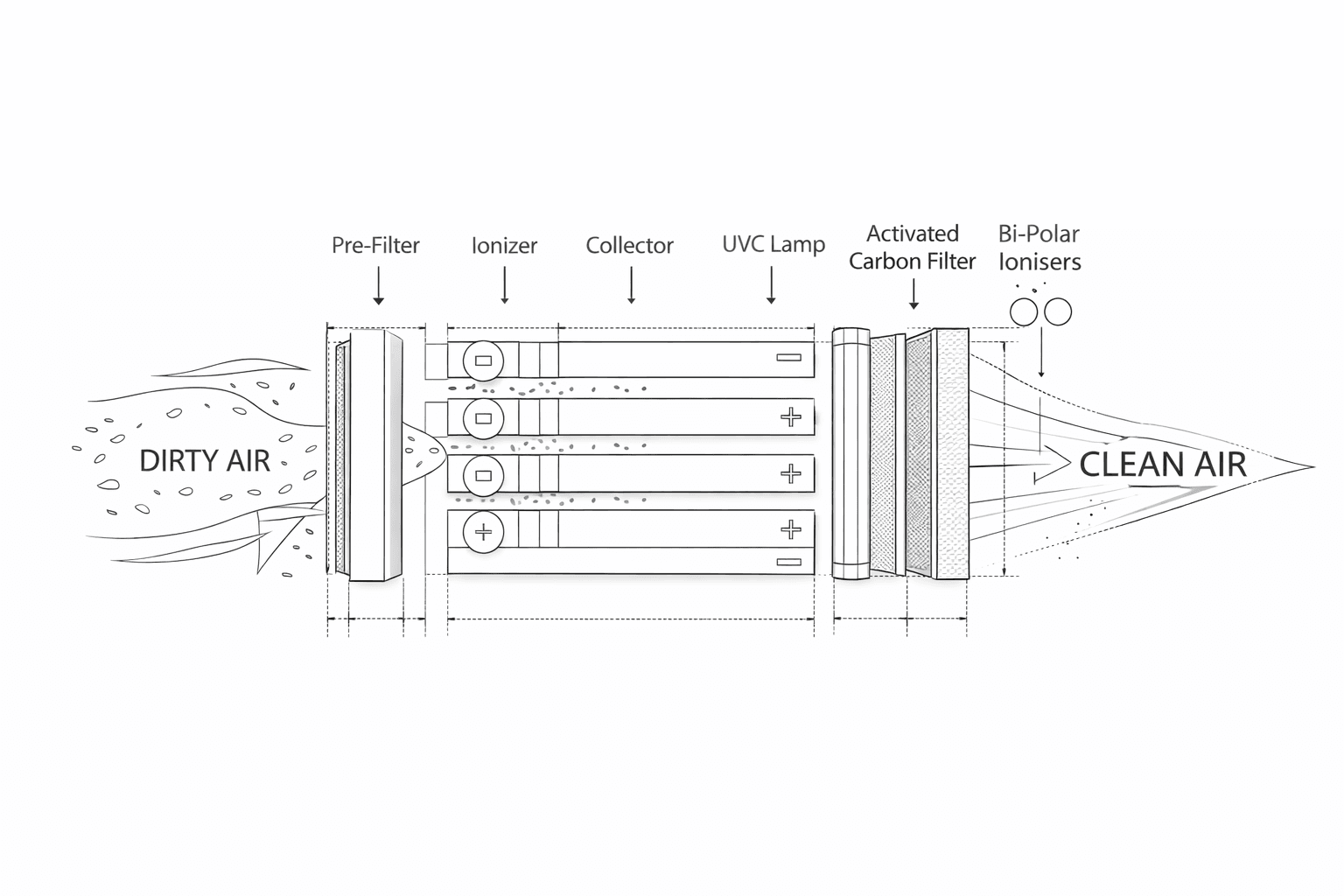
Correct airflow rates are critical to the effective operation of electrostatic precipitator (ESP) units in commercial kitchen filtration extraction systems. While ESPs are highly efficient at removing grease and smoke, their performance is directly influenced by air velocity and dwell time through the filtration cells.
If airflow is not correctly designed, particulates can pass through the ESP too quickly, reducing collection efficiency and allowing grease and smoke to remain in the airstream.
The Relationship Between Velocity and Dwell Time
ESP units rely on sufficient dwell time to electrically charge airborne particulates and collect them on the plates. When air velocity is too high, dwell time is reduced, meaning grease particles are not fully charged, smoke can bypass the collection plates, and filtration efficiency is compromised.
Conversely, airflow that is too low can lead to grease drop-out upstream and increased contamination within ductwork.
Designing Airflow to Match ESP Capability
Airflow rates must be aligned with the ESP unit’s design parameters. Oversizing fans or forcing higher airflow through an ESP than it is rated for can significantly reduce effectiveness.
Correct airflow design ensures stable face velocity across ESP cells, effective particulate charging, and consistent performance under peak cooking conditions. Airflow should always be engineered around the kitchen duty and cooking load, not assumed or increased arbitrarily.
System Performance Depends on Balance
ESP units perform best when airflow, duct size, fan selection and filtration stages are balanced as part of a complete system. Proper airflow design ensures grease and smoke are removed efficiently, protecting downstream components and maintaining compliance.


Emergency ESP Replacement Following Restaurant Fire
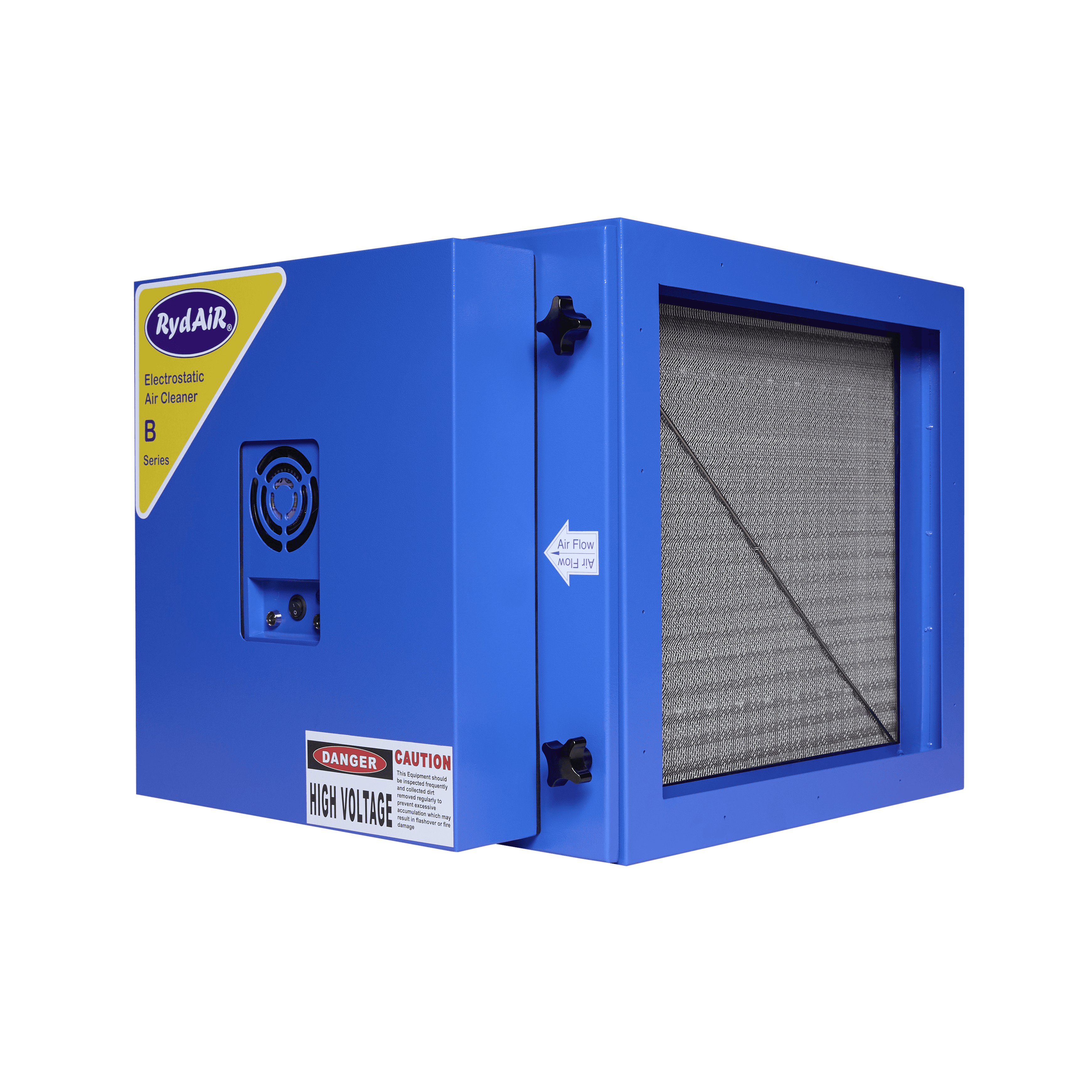
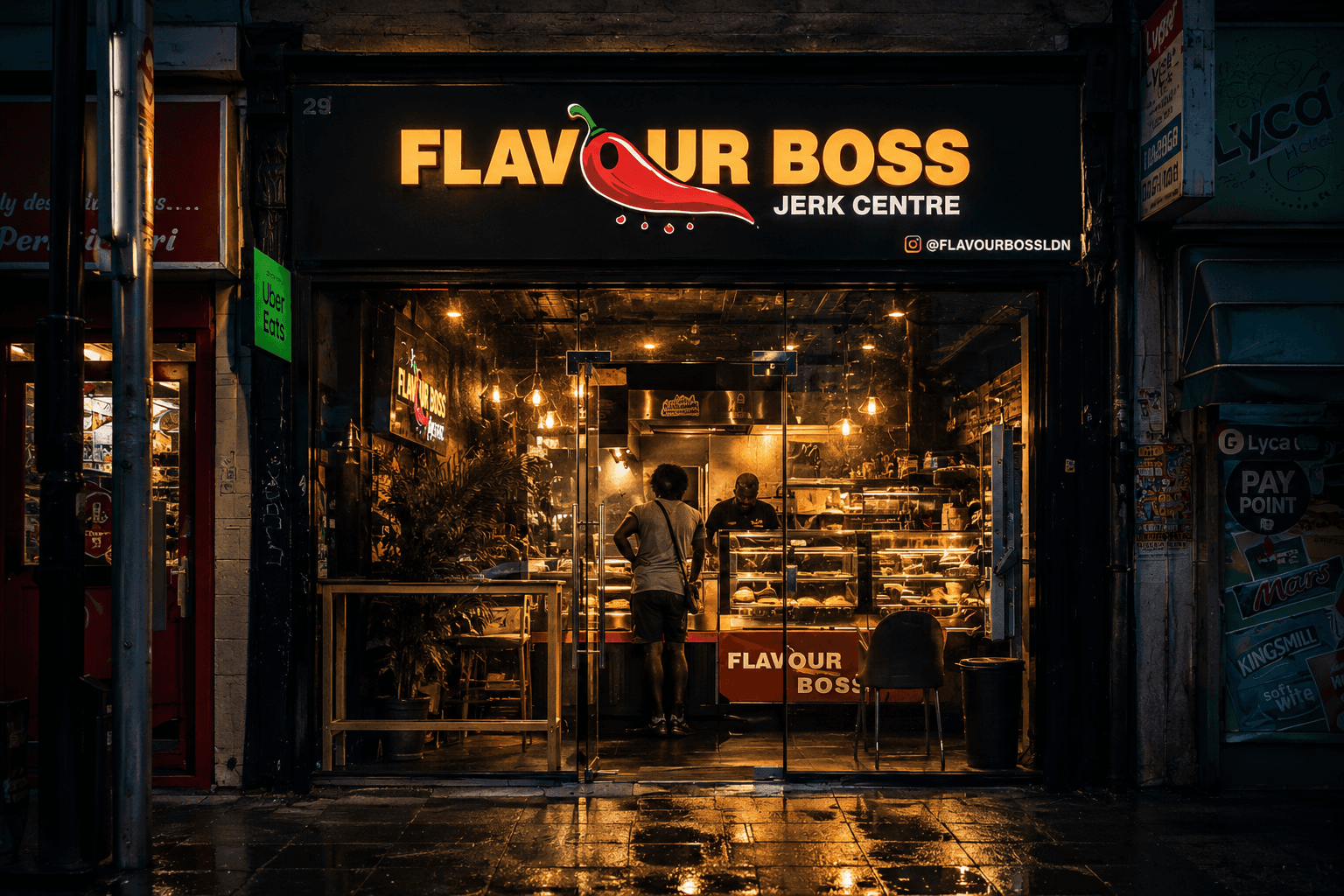
Emergency ESP Replacement Following Restaurant Fire Project Overview Extechnology was appointed to supply a rapid replacement ESP solution following a fire at a commercial restaurant kitchen. The fire had damaged the existing extraction and filtration equipment, leaving the restaurant unable to operate until the system was replaced. With business downtime directly affecting revenue and day-to-day operations, the project required a fast and straightforward solution that would allow the restaurant to reopen as quickly as possible. As the existing extract system had already been designed around a specific airflow requirement, the replacement ESP equipment needed to provide a like-for-like solution that could integrate easily into the existing setup without unnecessary redesign work or site modifications. The Challenge The restaurant required an urgent replacement of the damaged ESP equipment within a very short timeframe in order to minimise disruption to the business. Key challenges included: Rapid specification and supply of replacement ESP equipment Minimising operational downtime and financial losses Matching the existing airflow and system performance requirements Avoiding unnecessary ductwork or system alterations Supporting a fast-track installation and recommissioning programme With pressure to reopen quickly, maintaining speed throughout specification, processing and delivery was critical to the success of the project. The Solution Extechnology worked closely with the client and installation team to quickly identify a suitable like-for-like ESP replacement based on the existing system airflow and operational requirements. Using the original system information, the replacement ESP unit was selected to maintain the required airflow performance while integrating directly into the existing extraction arrangement. This simplified both specification and installation, avoiding delays associated with redesign or major system modifications. The focus throughout the project was to keep the process straightforward and efficient. Once the system requirements were confirmed, the replacement ESP equipment was rapidly processed and delivered within a short lead time to support the installation programme and help return the kitchen to operation as quickly as possible. Technology Used Like-for-like commercial kitchen Electrostatic Precipitator (ESP) Existing extraction system airflow configuration retained Washable ESP filtration technology for grease and smoke removal Compatible integration with existing ductwork and extraction layout Project Outcomes Rapid turnaround from enquiry to delivery Minimal downtime for the restaurant Fast-track installation and recommissioning Reduced disruption and business losses Successful reopening within a short timeframe Happy client and fully operational kitchen Consultant Notes The replacement ESP equipment was selected to match the airflow and operational characteristics of the original system, allowing the installation to proceed without significant modifications to the existing extract arrangement. By maintaining a like-for-like approach, the project avoided unnecessary complexity and enabled a faster overall delivery and installation programme, helping minimise disruption to the client’s business operations.
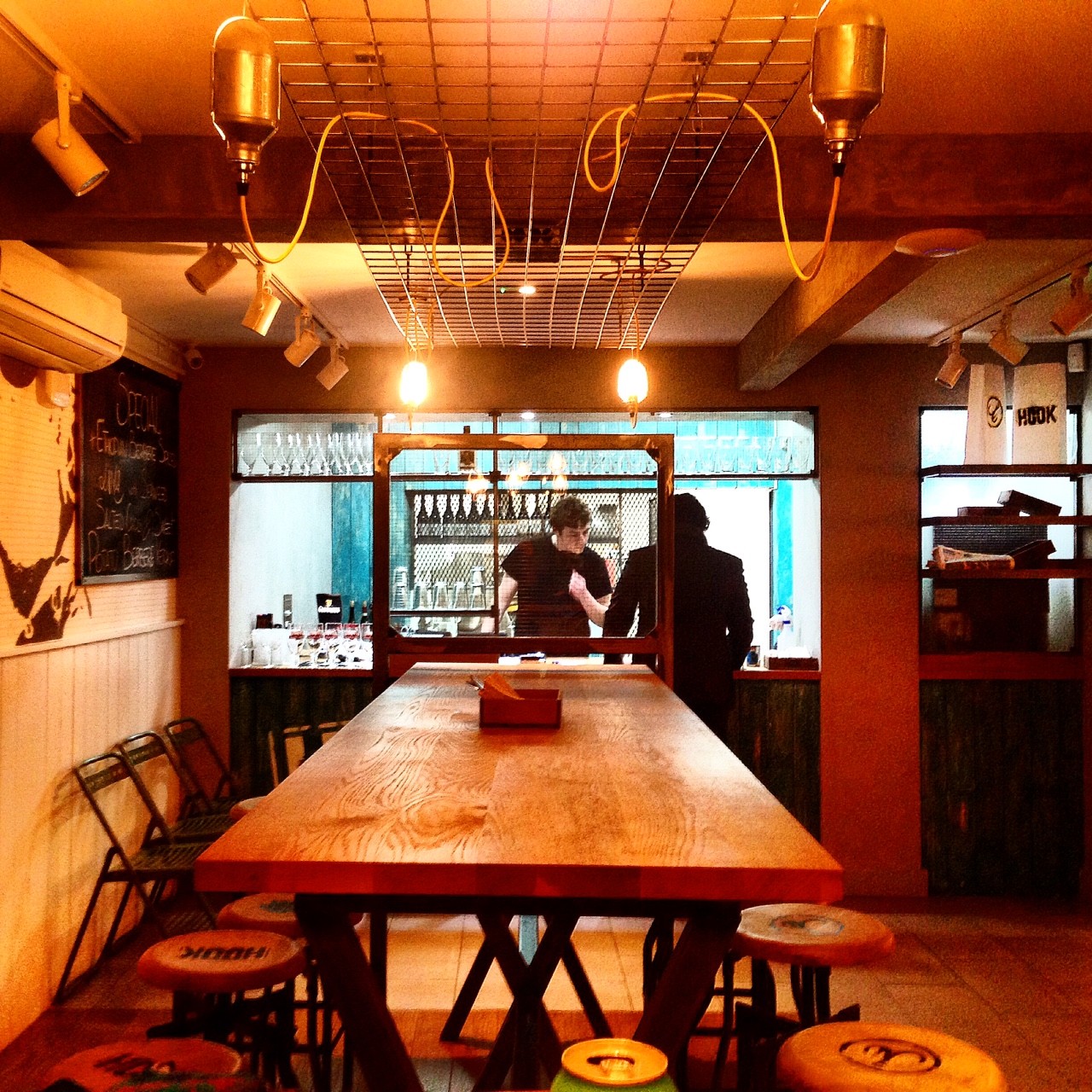
Hook, Camden Town
Extechnology delivered an odour control solution to support planning and neighbour acceptance while keeping pressure drops predictable.

Hoxton Hotel, Holborn
High‑efficiency ESP stages with low static and washable cells, supporting reliable operation and simplified servicing for a busy hospitality environment.