Electrostatic Precipitator
15 Feb 2026
Grease filtration and ESP systems play different but closely connected roles in commercial kitchen extract.
Grease Filtration & ESP Systems: A Complete Guide Based on Years Of Experience
Grease filtration and ESP systems play different but closely connected roles in commercial kitchen extract. Together, they can remove airborne grease, smoke and fine particulates before extracted air is discharged, helping to keep ductwork cleaner, protect downstream equipment and reduce visible emissions.
The key is to treat filtration as a complete process rather than a single product. Canopy filters capture larger grease droplets. An electrostatic precipitator (ESP) targets the much finer grease and smoke particles that pass through them. Where cooking also creates a significant odour risk, a separate odour-control stage may then be required.
This guide explains how grease filtration and ESP systems work, how they should be arranged and what specifiers, contractors and operators should consider before selecting a system.
What is grease filtration?
Grease filtration is the removal of grease droplets and grease-laden particles from an extract air stream. In a commercial kitchen, these contaminants are created when oils, fats and food are heated during frying, grilling, roasting, chargrilling and other cooking processes.
Not all of the grease in kitchen extract is the same size. Larger droplets can be intercepted relatively easily, while very fine aerosols and smoke particles remain suspended in the air and travel further into the extract system. This is why an effective design normally uses more than one filtration stage.
Without suitable grease filtration, deposits can accumulate inside ductwork, fans and other components. This can increase cleaning demands, restrict airflow, affect system performance and contaminate downstream odour-control media.
What is an ESP system?
An electrostatic precipitator, usually shortened to ESP, is an active filtration device that removes fine airborne particles from an extract air stream using an electrical charge.
As contaminated air passes through the unit, particles are electrically charged in the ionising section. They then move through a collector section containing oppositely charged or earthed plates. The charged grease, oil mist and smoke particles are attracted to these plates and retained inside the unit, allowing cleaner air to continue through the extract system.
Unlike disposable filters, the collector cells in many ESP systems are washable and reusable. This can provide high particle-capture efficiency without the regular replacement costs associated with fine disposable filtration. However, this performance depends on correct sizing, installation and cleaning.
How grease filtration and ESP systems work together
A commercial kitchen extract system should not normally rely on an ESP to handle every contaminant from the cooking process. The best results come from using filtration stages in the correct order, with each stage performing a defined job.
A typical arrangement may include:
Canopy grease filters: Baffle filters or similar primary filters capture larger grease droplets close to the cooking source.
Pre-filtration: A secondary mechanical filter can collect additional grease and particulate matter before it reaches the ESP.
ESP filtration: The electrostatic precipitator removes fine grease aerosols, oil mist and smoke particles that have passed through the earlier stages.
Odour control: Activated carbon, ozone or another appropriately selected treatment stage may be used where odour must also be reduced.
Fan and discharge: The treated air moves through the remaining ductwork and is discharged at the agreed termination point.
This staged approach protects the more sensitive downstream components. Removing grease before an activated-carbon stage, for example, helps prevent the carbon from becoming coated and losing useful working life prematurely.
What contaminants can an ESP remove?
An ESP is particularly effective at capturing fine particulate contaminants, including:
Airborne grease aerosols
Cooking-oil mist
Smoke particles
Fine particulate matter generated by frying, grilling and similar processes
Oil mist and particulates from some industrial and manufacturing processes
It is important to distinguish particles from gases. Cooking odour contains gaseous compounds that cannot all be captured by particulate filtration. An ESP can reduce the grease and smoke associated with an odorous extract stream, but it should not automatically be treated as a replacement for activated carbon or another dedicated odour-control solution.
Why canopy grease filters may not be enough
Canopy grease filters are an essential first line of defence, but they are designed primarily to capture larger droplets. Fine grease aerosols and smoke can pass through them and enter the ductwork.
This becomes more significant in kitchens using high-temperature or grease-intensive cooking equipment. Deep-fat fryers, chargrills, griddles, wok ranges and solid-fuel appliances can all create a more demanding contaminant load than boiling, steaming or reheating.
Where primary filtration alone is insufficient, adding an appropriately sized ESP provides a much finer level of particulate removal. This can:
Reduce grease carryover into the downstream ductwork
Reduce visible smoke at the discharge point
Protect fans and other extract-system components
Protect carbon filters and other odour-control stages
Support a cleaner, more serviceable system
Help a proposed system meet its specified air-quality and planning objectives
An ESP does not remove the need to clean the kitchen canopy or extract ductwork. It reduces the contaminant load reaching downstream sections; it does not eliminate grease throughout the system.
Single-pass and double-pass ESP systems
In a single-pass arrangement, the extract air passes through one ionising and collector-cell stage. A correctly selected single-pass ESP can provide high-efficiency grease and smoke removal for many commercial kitchen applications.
A double-pass system uses two electrostatic stages in sequence. This provides an additional collection stage and may be specified for heavier contaminant loads, more demanding discharge conditions or projects requiring enhanced particulate removal.
Double-pass filtration should not be selected solely because a kitchen is described as “heavy duty”. The decision should be based on the complete application, including airflow, cooking equipment, hours of operation, contaminant loading, discharge location and the performance required from the whole system.
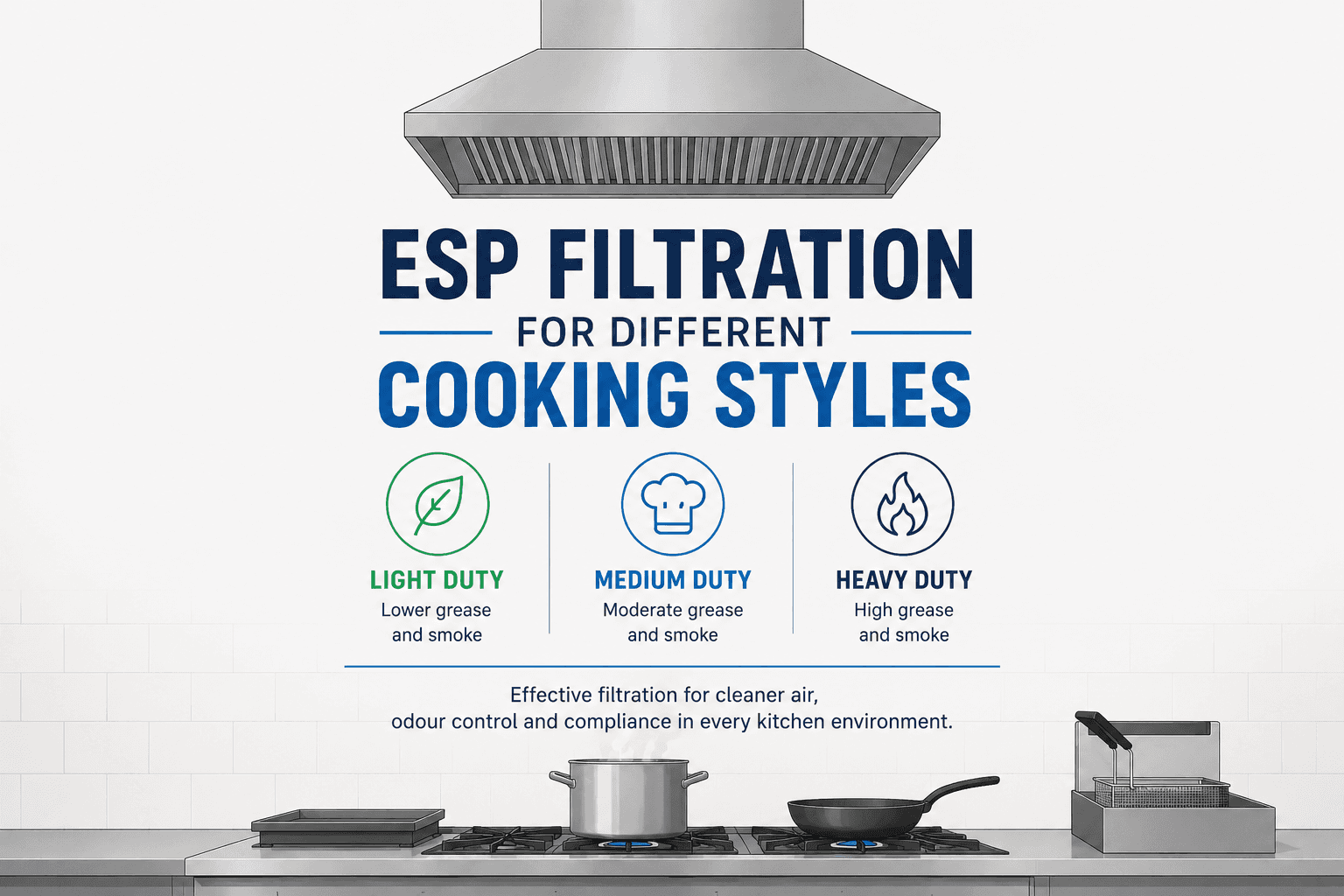
Choosing an ESP for light-, medium- and heavy-duty cooking
Cooking duty is a useful starting point because the menu and appliances influence the amount and type of contamination entering the extract system.
Light-duty kitchens
Cafés, bakeries, coffee shops and preparation kitchens may use processes such as baking, boiling, steaming and reheating. These generally create less airborne grease and smoke, although the actual requirement still depends on the appliances, operating hours and extract rate.
Medium-duty kitchens
Restaurants, pubs, hotels and school kitchens may use a broader mix of frying, grilling and high-volume pan cooking. The regular grease and smoke load can make a properly sized ESP an important part of the filtration strategy.
Heavy-duty kitchens
Busy fast-food kitchens, steakhouses, wok kitchens and sites using chargrills or solid fuel can generate dense smoke, fine particulates and high grease loads. These applications may require larger-capacity equipment, double-pass ESP filtration or additional treatment stages.
The labels “light”, “medium” and “heavy” should never replace a proper assessment. Two kitchens with the same extract airflow can need very different filtration because their cooking processes and operating patterns are different.
How to specify a grease filtration and ESP system
Correct specification starts with the extract duty, not with a preferred unit size. The following factors should be reviewed before equipment is selected.
1. Extract airflow
The ESP must be sized for the design air volume passing through it. If the actual airflow exceeds the unit’s rated duty, the air may travel through the collector too quickly for effective particle capture. Selecting equipment from duct dimensions alone is not enough.
2. Cooking equipment and menu
The appliance schedule gives essential context. A kitchen based around ovens and boiling has a different emissions profile from one built around deep-fat fryers, griddles, chargrills or wok ranges. Future menu or equipment changes should also be considered where they are reasonably foreseeable.
3. Operating hours and intensity
A unit serving a kitchen that operates for a few hours each day will experience a different grease load from one serving high-volume cooking from morning until late at night. The duty cycle affects both equipment selection and the likely cleaning frequency.
4. Discharge location and surrounding receptors
Nearby homes, offices, hotels, terraces and air intakes can make smoke and odour control particularly important. Planning conditions or an odour assessment may define the performance expected from the proposed filtration system.
5. Available pressure
Every filter stage adds resistance to the extract system. Pressure losses across canopy filters, pre-filters, the ESP, carbon filters and associated ductwork must be included when the fan is selected. A low-pressure-drop ESP can reduce the additional burden, but it does not remove the need for a complete system calculation.
6. Access for maintenance
Collector cells, filters and drain sections need to be removed, cleaned and reinstalled safely. A technically suitable unit can still perform poorly if it is installed where routine access is difficult. Door clearance, lifting requirements, safe working space and the route used to remove cells should be considered during design rather than after installation.
7. Downstream treatment
If the project also requires odour reduction, the selected odour-control stage must suit the cooking profile and required performance. The ESP should be viewed as protection for that stage as well as a grease-and-smoke filtration device in its own right.
Common specification mistakes
Treating an ESP as an odour filter
An ESP captures particles. It may reduce the visible smoke and grease associated with a cooking plume, but gaseous odour compounds often require a separate treatment stage.
Sizing by duct size rather than airflow
A unit that physically matches the duct is not necessarily suitable for the air volume. Airflow and operating velocity must remain within the equipment’s stated duty.
Ignoring cooking type
Air volume alone does not describe contaminant load. Equipment, fuel, menu and cooking intensity all affect what the filtration system must handle.
Leaving no practical service access
ESP cells are designed to be cleaned. If they cannot be removed easily, maintenance is more likely to be delayed and performance will deteriorate.
Failing to plan for drainage and grease management
Collected grease and cleaning residues need to be managed in accordance with the unit design and site arrangements. The equipment orientation, drain provisions and surrounding access must be agreed before installation.
Assuming filtration removes all duct-cleaning requirements
No grease filtration system captures every contaminant at every point. Inspection and cleaning of canopies, filters, ductwork and fans remain part of responsible extract-system maintenance.
ESP cleaning and maintenance
An ESP only performs properly when its collector cells are clean and correctly refitted. As grease builds up on the plates, collection efficiency can fall and electrical arcing may occur.
A suitable maintenance plan should cover:
Routine inspection of pre-filters and ESP cells
Cleaning of collector cells using an approved method
Inspection of ionising wires and collector plates for damage
Cleaning of the cabinet, sumps and drain areas where applicable
Checks on power supplies, indicators, interlocks and controls
Correct drying and refitting of cells before the unit is returned to service
Recording faults, cleaning dates and any replacement parts
There is no single cleaning interval that suits every kitchen. The correct frequency depends on cooking type, hours of operation, grease loading, system design and the equipment manufacturer’s instructions. Early inspections should be used to establish a site-specific schedule, which can then be adjusted as operating conditions change.
Grease filtration and ESP systems in industrial applications
Although ESPs are widely associated with commercial kitchen extract, electrostatic filtration is also used in industrial and manufacturing environments. Typical applications include oil-mist and smoke control from machining, metalworking and production processes.
The same principles apply: the contaminant must be properly identified, the airflow must be established and the equipment must be selected for the actual particle load and operating conditions. Industrial systems may use inline ESP modules or self-contained units with an integrated fan, depending on the process and existing ventilation arrangement.
Frequently asked questions
Does an ESP remove grease?
Yes. An ESP is designed to capture fine airborne grease and oil-mist particles that can pass through primary mechanical filters. Larger grease droplets should still be removed at the canopy or pre-filtration stage.
Does an ESP remove cooking odours?
Not completely. An ESP removes grease, smoke and other particles, while many odour compounds exist in gaseous form. Activated carbon, ozone or another suitable odour-control stage may also be required.
Is an ESP suitable for every commercial kitchen?
Not automatically. The correct solution depends on cooking type, extract airflow, operating hours, discharge conditions, planning requirements and the performance objective. Some lighter-duty applications may need a simpler arrangement, while high-duty kitchens may require double-pass filtration and additional odour treatment.
What is the difference between a grease filter and an ESP?
A conventional grease filter mechanically intercepts larger grease droplets. An ESP electrically charges and collects much smaller airborne grease, oil and smoke particles. They are complementary stages rather than direct alternatives.
How often should ESP cells be cleaned?
Cleaning frequency should be based on the manufacturer’s guidance and actual contaminant loading at the site. High-volume, grease-intensive kitchens will normally need more frequent attention than light-duty operations. Regular inspection is the safest way to establish the correct schedule.
Can an ESP reduce visible smoke?
Yes. When correctly sized, installed and maintained, an ESP can capture the fine particles that make a kitchen exhaust plume visible. Performance will still depend on the cooking process, airflow, system arrangement and condition of the collector cells.
Speak to Extechnology about grease filtration and ESP systems
Effective kitchen extract filtration starts with a clear understanding of the airflow, cooking process, contaminant load and required outcome. Selecting an ESP by capacity alone can result in avoidable smoke, grease carryover, maintenance problems and poor protection for downstream odour-control equipment.
Extechnology specifies and supplies air-filtration solutions for commercial kitchens and industrial applications, including single- and double-pass electrostatic precipitators, passive filtration and odour-control equipment. Our team can help installers, consultants and operators select equipment suited to the application and provide ongoing servicing support.
To discuss a grease filtration or ESP requirement, contact Extechnology on 020 7953 9725 or email info@extechnology.com.
For further information read our related articles below:
-ESP filtration for different cooking styles → https://www.extechnology.com/blog/esp-filtration-for-different-cooking-styles
-Double-pass ESP filtration systems → https://www.extechnology.com/blog/double-pass-esp-filtration-systems-when-a-single-pass-isn-t-enough
-Commercial kitchen odour control guide → https://www.extechnology.com/blog/commercial-kitchen-odour-control-guide

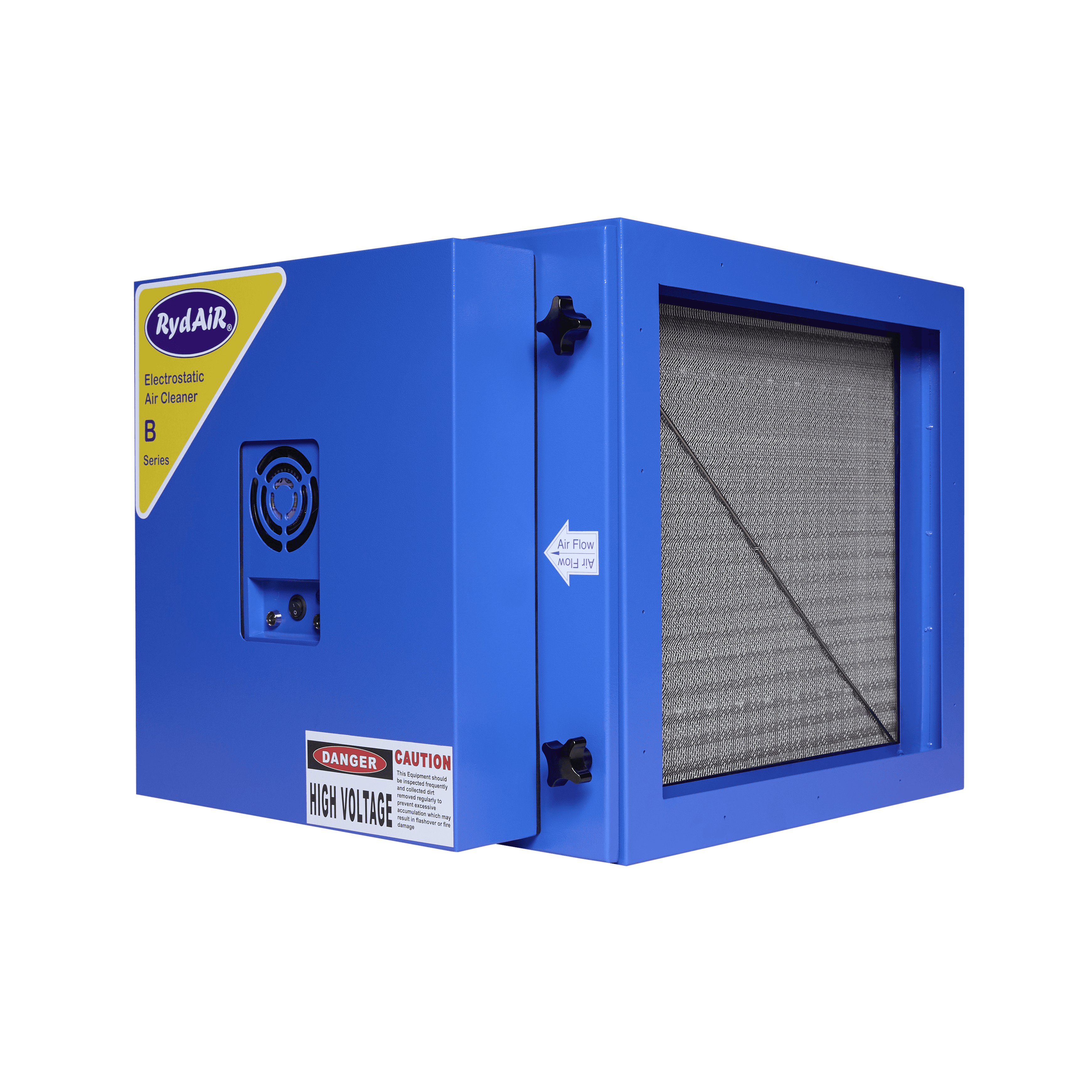
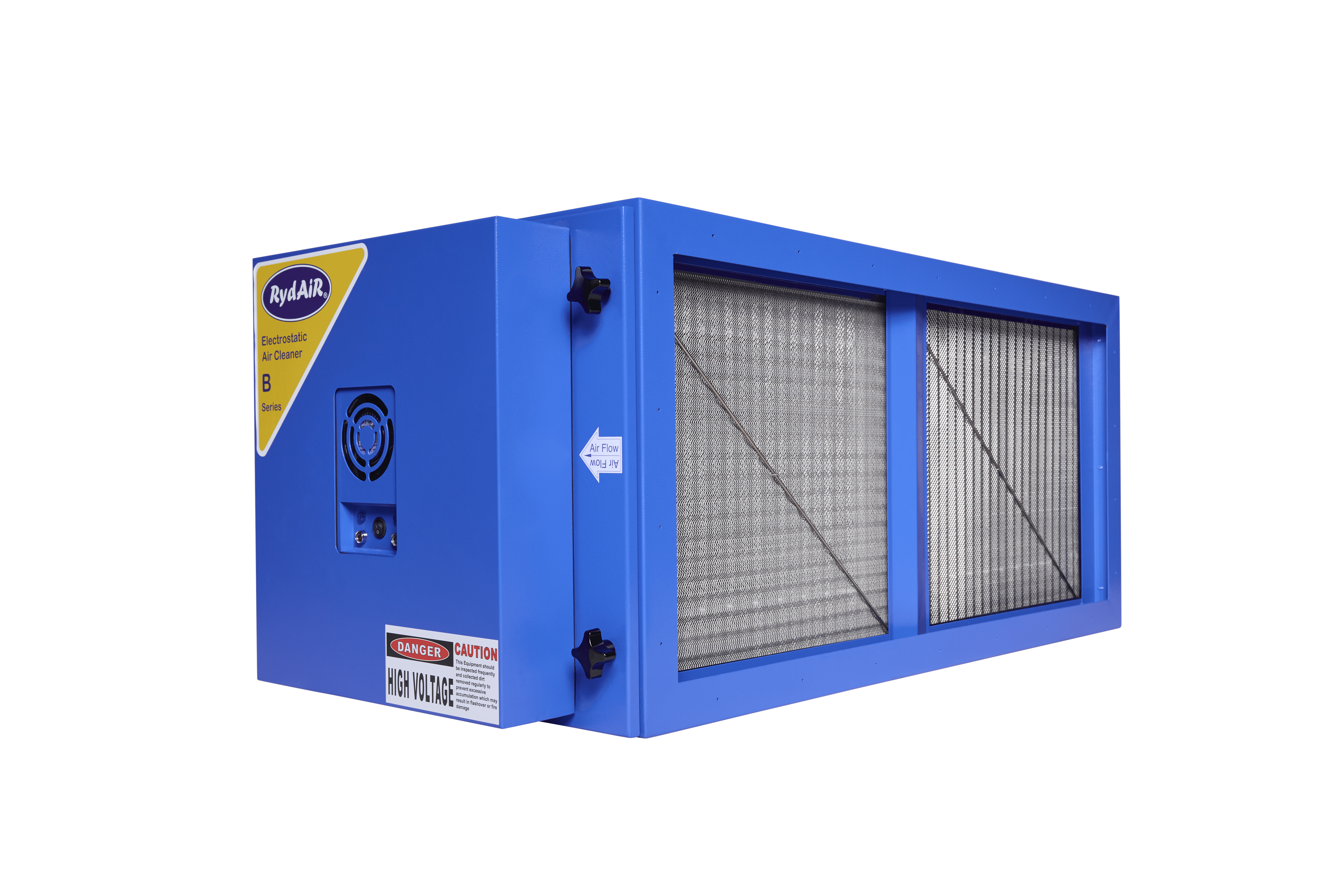
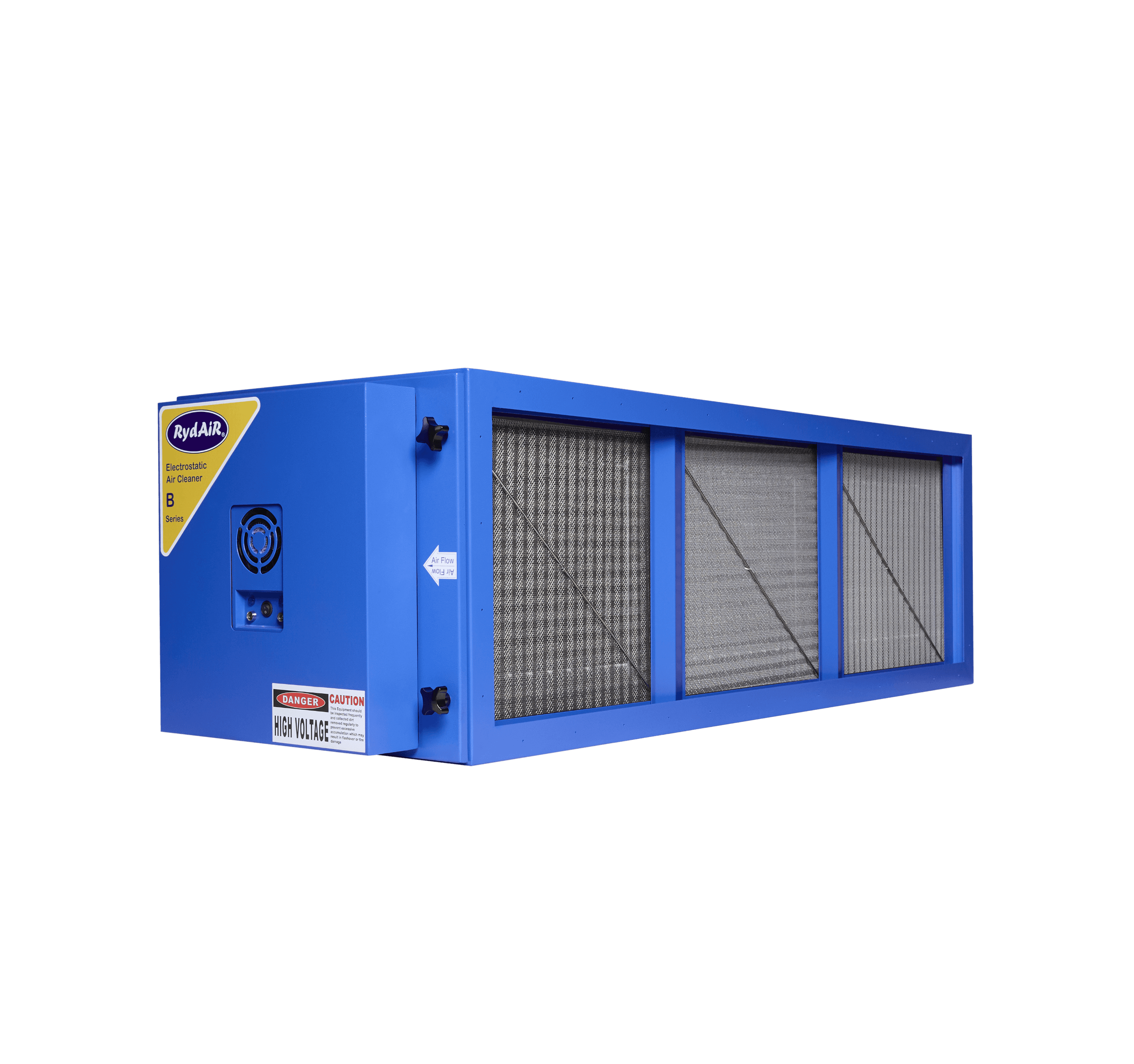
Emergency ESP Replacement Following Restaurant Fire
Emergency ESP Replacement Following Restaurant Fire Project Overview Extechnology was appointed to supply a rapid replacement ESP solution following a fire at a commercial restaurant kitchen. The fire had damaged the existing extraction and filtration equipment, leaving the restaurant unable to operate until the system was replaced. With business downtime directly affecting revenue and day-to-day operations, the project required a fast and straightforward solution that would allow the restaurant to reopen as quickly as possible. As the existing extract system had already been designed around a specific airflow requirement, the replacement ESP equipment needed to provide a like-for-like solution that could integrate easily into the existing setup without unnecessary redesign work or site modifications. The Challenge The restaurant required an urgent replacement of the damaged ESP equipment within a very short timeframe in order to minimise disruption to the business. Key challenges included: Rapid specification and supply of replacement ESP equipment Minimising operational downtime and financial losses Matching the existing airflow and system performance requirements Avoiding unnecessary ductwork or system alterations Supporting a fast-track installation and recommissioning programme With pressure to reopen quickly, maintaining speed throughout specification, processing and delivery was critical to the success of the project. The Solution Extechnology worked closely with the client and installation team to quickly identify a suitable like-for-like ESP replacement based on the existing system airflow and operational requirements. Using the original system information, the replacement ESP unit was selected to maintain the required airflow performance while integrating directly into the existing extraction arrangement. This simplified both specification and installation, avoiding delays associated with redesign or major system modifications. The focus throughout the project was to keep the process straightforward and efficient. Once the system requirements were confirmed, the replacement ESP equipment was rapidly processed and delivered within a short lead time to support the installation programme and help return the kitchen to operation as quickly as possible. Technology Used Like-for-like commercial kitchen Electrostatic Precipitator (ESP) Existing extraction system airflow configuration retained Washable ESP filtration technology for grease and smoke removal Compatible integration with existing ductwork and extraction layout Project Outcomes Rapid turnaround from enquiry to delivery Minimal downtime for the restaurant Fast-track installation and recommissioning Reduced disruption and business losses Successful reopening within a short timeframe Happy client and fully operational kitchen Consultant Notes The replacement ESP equipment was selected to match the airflow and operational characteristics of the original system, allowing the installation to proceed without significant modifications to the existing extract arrangement. By maintaining a like-for-like approach, the project avoided unnecessary complexity and enabled a faster overall delivery and installation programme, helping minimise disruption to the client’s business operations.
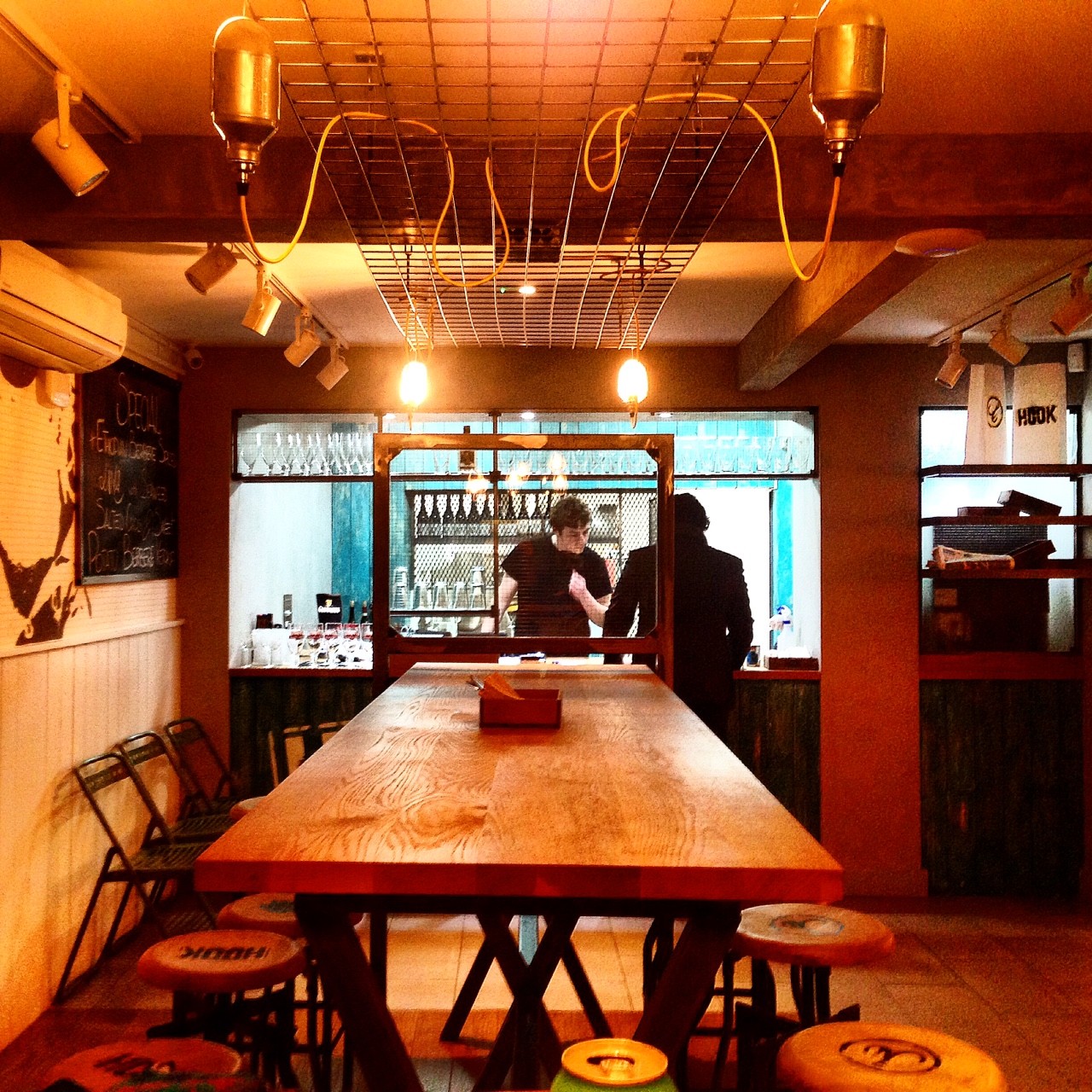
Hook, Camden Town
Extechnology delivered an odour control solution to support planning and neighbour acceptance while keeping pressure drops predictable.

Hoxton Hotel, Holborn
High‑efficiency ESP stages with low static and washable cells, supporting reliable operation and simplified servicing for a busy hospitality environment.