Electrostatic Precipitator
Double Pass ESP Filtration Systems: When a Single Pass Isn’t Enough
In some applications, a single pass through an ESP unit may not provide sufficient grease and smoke removal. Double pass ESP systems offer enhanced...
What Is a Double Pass ESP System?
A double pass ESP system uses two ESP units installed sequentially within the same ductwork system.
The first ESP removes up to 98% of grease and smoke particulate from the extracted air.
The second ESP then treats the remaining air stream, removing 98% of the residual 2% left behind after the first stage.
This staged approach results in extremely high overall particulate removal efficiency, dramatically reducing visible smoke, grease carryover, and downstream contamination. The outcome is a much cleaner exhaust air stream compared to a single-pass configuration, even under heavy cooking loads.
Why Double Pass Systems Are So Effective
ESP technology excels at capturing fine grease and smoke particles that mechanical filters struggle with. By applying this process twice:
Particle loading on each ESP is reduced, improving long-term stability and performance
Very fine smoke aerosols that escape the first pass are effectively captured in the second
Cleaner ductwork is maintained downstream, reducing fire risk and maintenance intervals
Odour control systems (such as carbon or UV-based solutions) operate more effectively due to reduced grease contamination
This makes double pass systems particularly suitable where air quality expectations are high and failure is not an option.
When Double Pass Systems Are Required
Double pass ESP filtration is typically specified in the most demanding commercial kitchen environments, including:
Charcoal, solid fuel, and wood-fired cooking
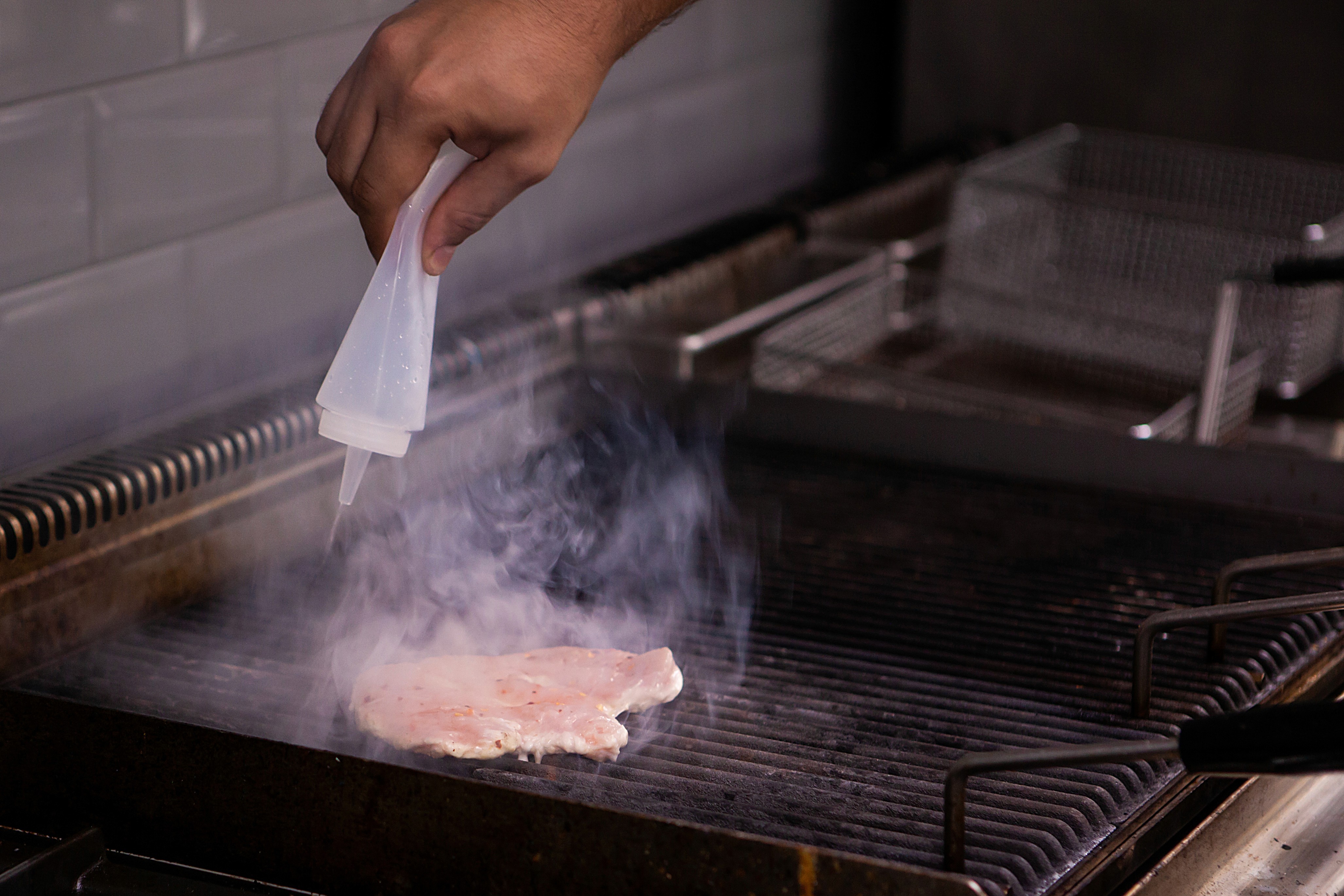
High-temperature grilling and heavy frying operations
Sites with strict planning or environmental health conditions
Urban or mixed-use developments with residential properties nearby
Sensitive locations where visible emissions or odour complaints are unacceptable
In these cases, a standard single-pass ESP may not provide sufficient margin to consistently meet compliance or neighbour expectations.
Considerations and Trade-Offs
While double pass systems deliver outstanding performance, they do introduce additional considerations:
Increased space requirements within the ductwork
Higher capital cost compared to single-pass systems
Additional maintenance planning, as two ESP units must be serviced
That said, these factors are often outweighed by the benefits in environments where emissions control is critical.
A Robust Solution for High-Demand Kitchens
Although more complex, double pass ESP filtration systems provide a proven, robust solution where standard filtration alone is insufficient. For kitchens producing extreme levels of smoke and grease, they offer peace of mind, regulatory confidence, and long-term operational reliability—ensuring clean exhaust air even under the most challenging cooking conditions.


Emergency ESP Replacement Following Restaurant Fire
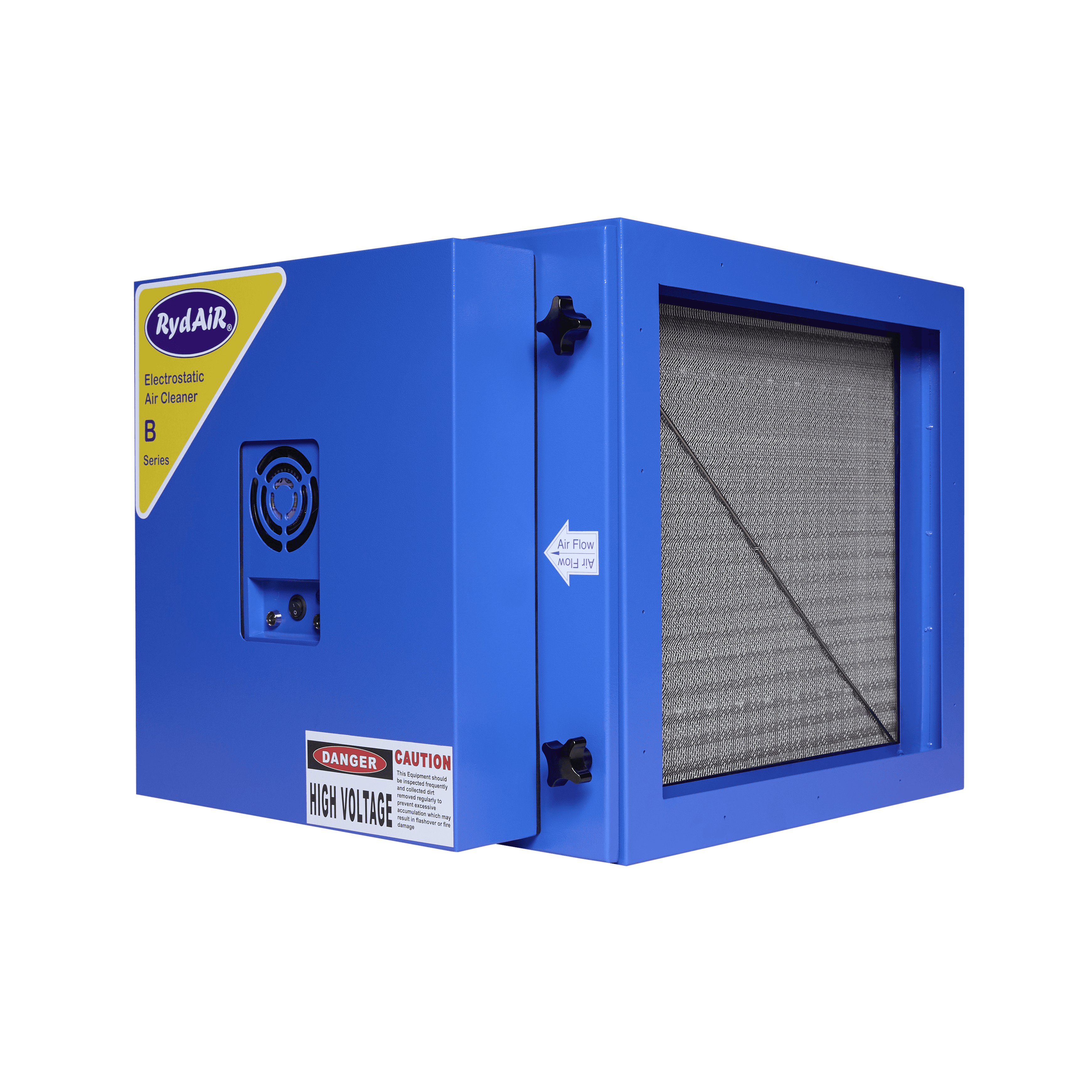
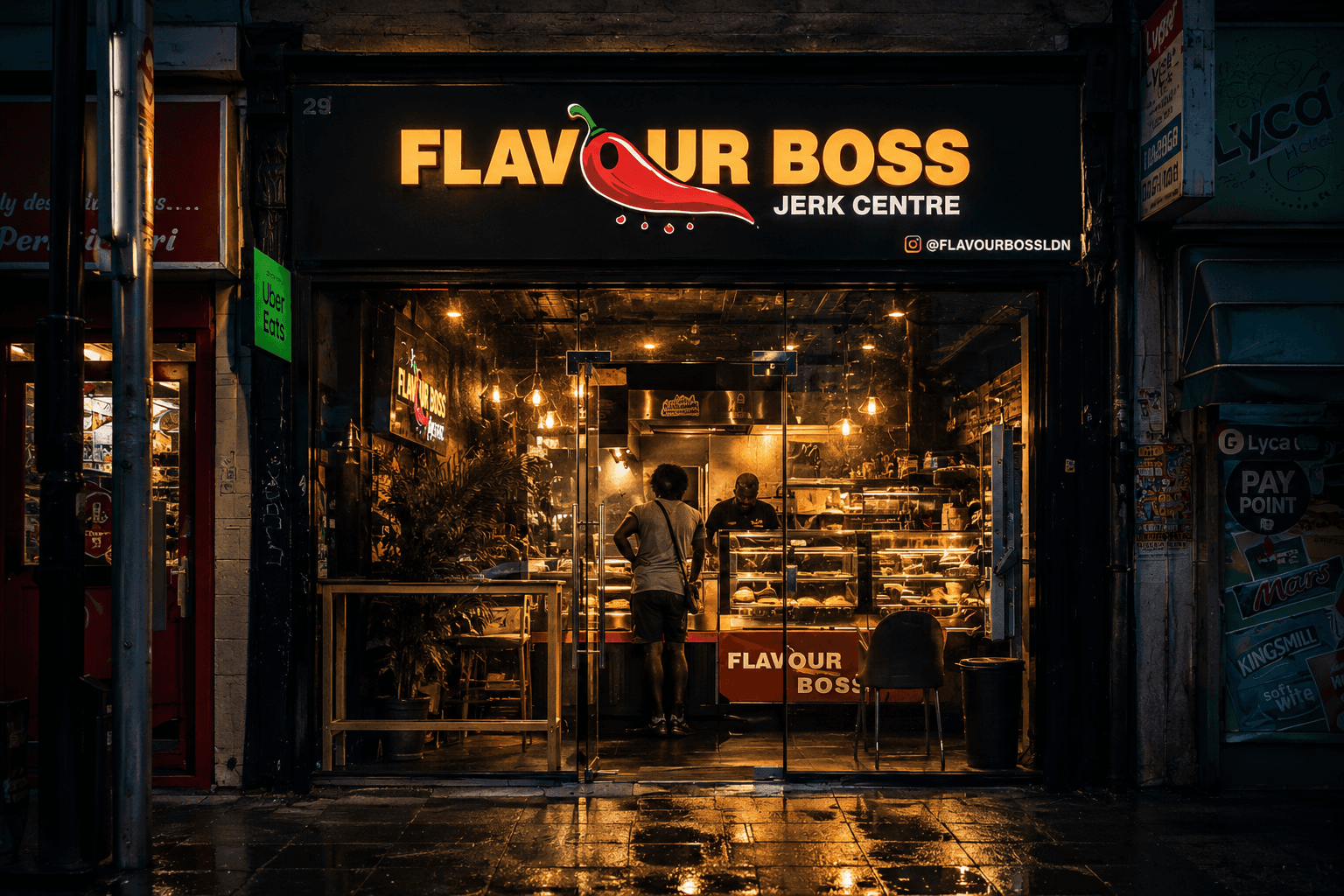
Emergency ESP Replacement Following Restaurant Fire Project Overview Extechnology was appointed to supply a rapid replacement ESP solution following a fire at a commercial restaurant kitchen. The fire had damaged the existing extraction and filtration equipment, leaving the restaurant unable to operate until the system was replaced. With business downtime directly affecting revenue and day-to-day operations, the project required a fast and straightforward solution that would allow the restaurant to reopen as quickly as possible. As the existing extract system had already been designed around a specific airflow requirement, the replacement ESP equipment needed to provide a like-for-like solution that could integrate easily into the existing setup without unnecessary redesign work or site modifications. The Challenge The restaurant required an urgent replacement of the damaged ESP equipment within a very short timeframe in order to minimise disruption to the business. Key challenges included: Rapid specification and supply of replacement ESP equipment Minimising operational downtime and financial losses Matching the existing airflow and system performance requirements Avoiding unnecessary ductwork or system alterations Supporting a fast-track installation and recommissioning programme With pressure to reopen quickly, maintaining speed throughout specification, processing and delivery was critical to the success of the project. The Solution Extechnology worked closely with the client and installation team to quickly identify a suitable like-for-like ESP replacement based on the existing system airflow and operational requirements. Using the original system information, the replacement ESP unit was selected to maintain the required airflow performance while integrating directly into the existing extraction arrangement. This simplified both specification and installation, avoiding delays associated with redesign or major system modifications. The focus throughout the project was to keep the process straightforward and efficient. Once the system requirements were confirmed, the replacement ESP equipment was rapidly processed and delivered within a short lead time to support the installation programme and help return the kitchen to operation as quickly as possible. Technology Used Like-for-like commercial kitchen Electrostatic Precipitator (ESP) Existing extraction system airflow configuration retained Washable ESP filtration technology for grease and smoke removal Compatible integration with existing ductwork and extraction layout Project Outcomes Rapid turnaround from enquiry to delivery Minimal downtime for the restaurant Fast-track installation and recommissioning Reduced disruption and business losses Successful reopening within a short timeframe Happy client and fully operational kitchen Consultant Notes The replacement ESP equipment was selected to match the airflow and operational characteristics of the original system, allowing the installation to proceed without significant modifications to the existing extract arrangement. By maintaining a like-for-like approach, the project avoided unnecessary complexity and enabled a faster overall delivery and installation programme, helping minimise disruption to the client’s business operations.
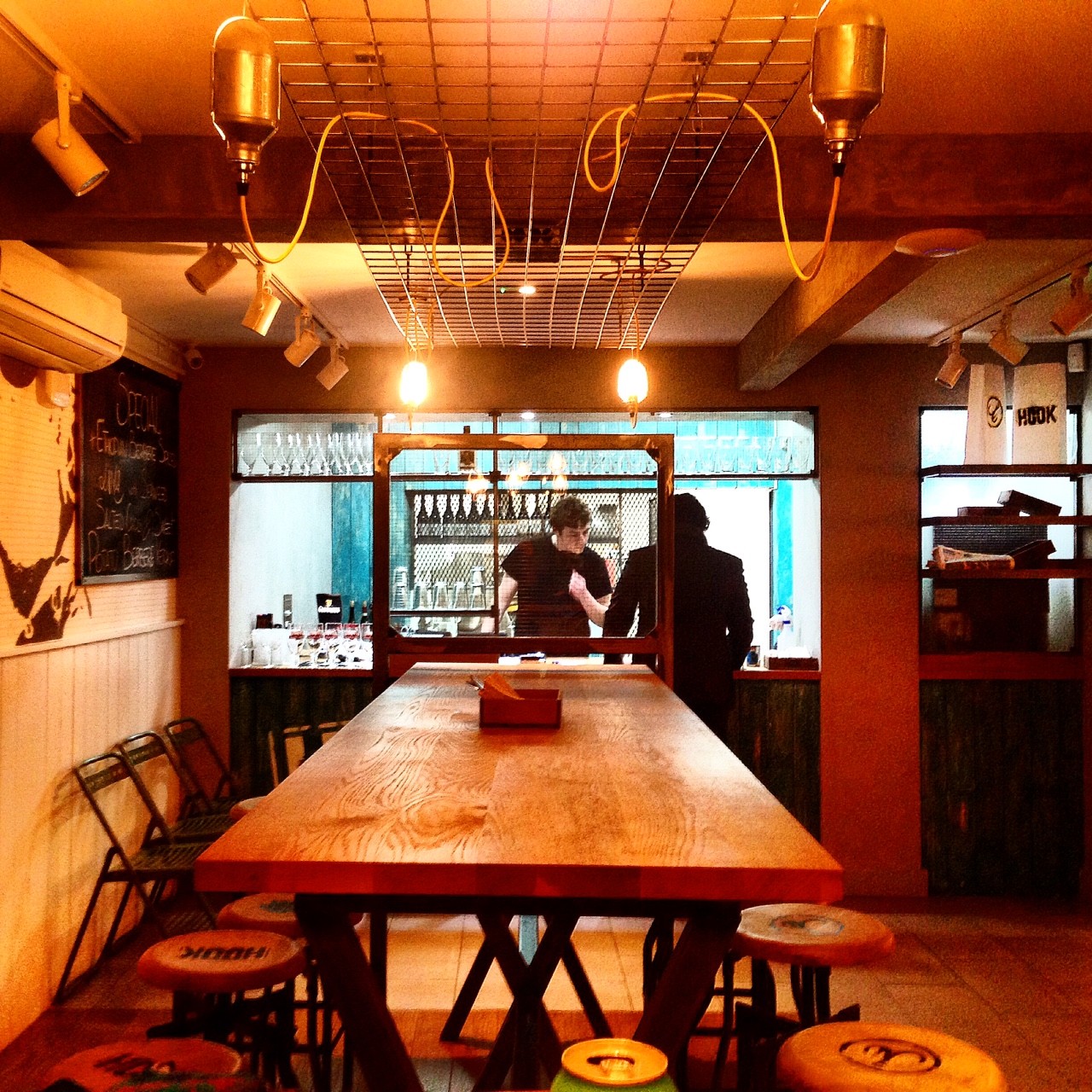
Hook, Camden Town
Extechnology delivered an odour control solution to support planning and neighbour acceptance while keeping pressure drops predictable.

Hoxton Hotel, Holborn
High‑efficiency ESP stages with low static and washable cells, supporting reliable operation and simplified servicing for a busy hospitality environment.