Odour Control
15 Feb 2026
Odour Control for Restaurants: How to Stop Neighbour Complaints
How to design, commission and maintain odour control for restaurants so you keep neighbours on‑side and sail through planning — including ESP, ozone/UV‑C and carbon polishing.
Whether you’re opening a new kitchen or firefighting complaints, the solution is the same: remove particulates, " "oxidise odours where needed, and polish with carbon. Design it right and keep it maintained — complaints fall away.
Why complaints happen
Charcoal and heavy cooking produce strong aromas and fine smoke that travel. Low discharge height or proximity to receptors amplifies impact. Poor maintenance causes breakthrough even when the design was sound.
Design the fix
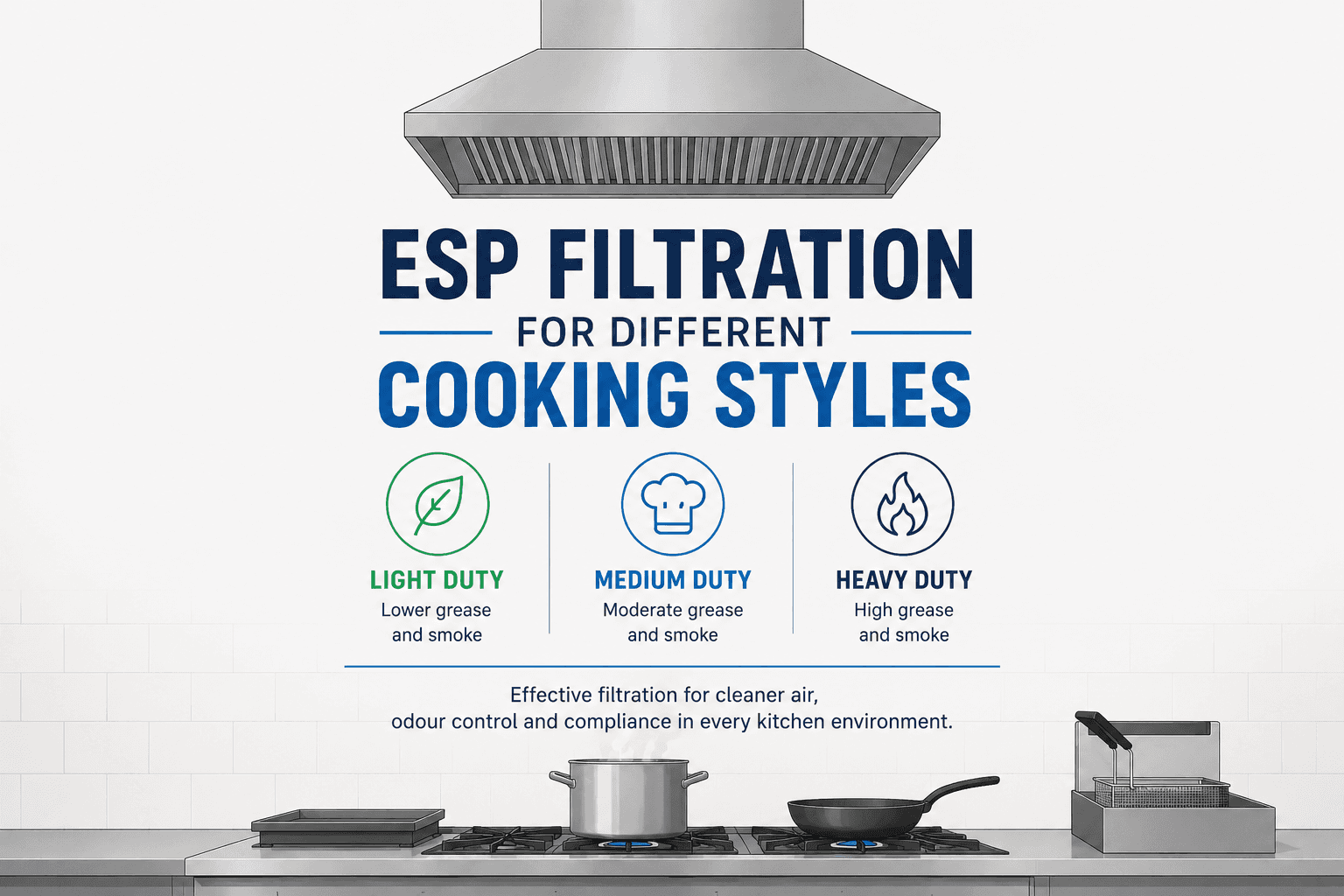
ESP first : keeps grease/smoke out of the duct and off carbon media. Ozone/UV‑C : breaks down stubborn odours; interlock to airflow and access doors. Activated carbon : final polishing; set face velocity for dwell time.
Commissioning checklist
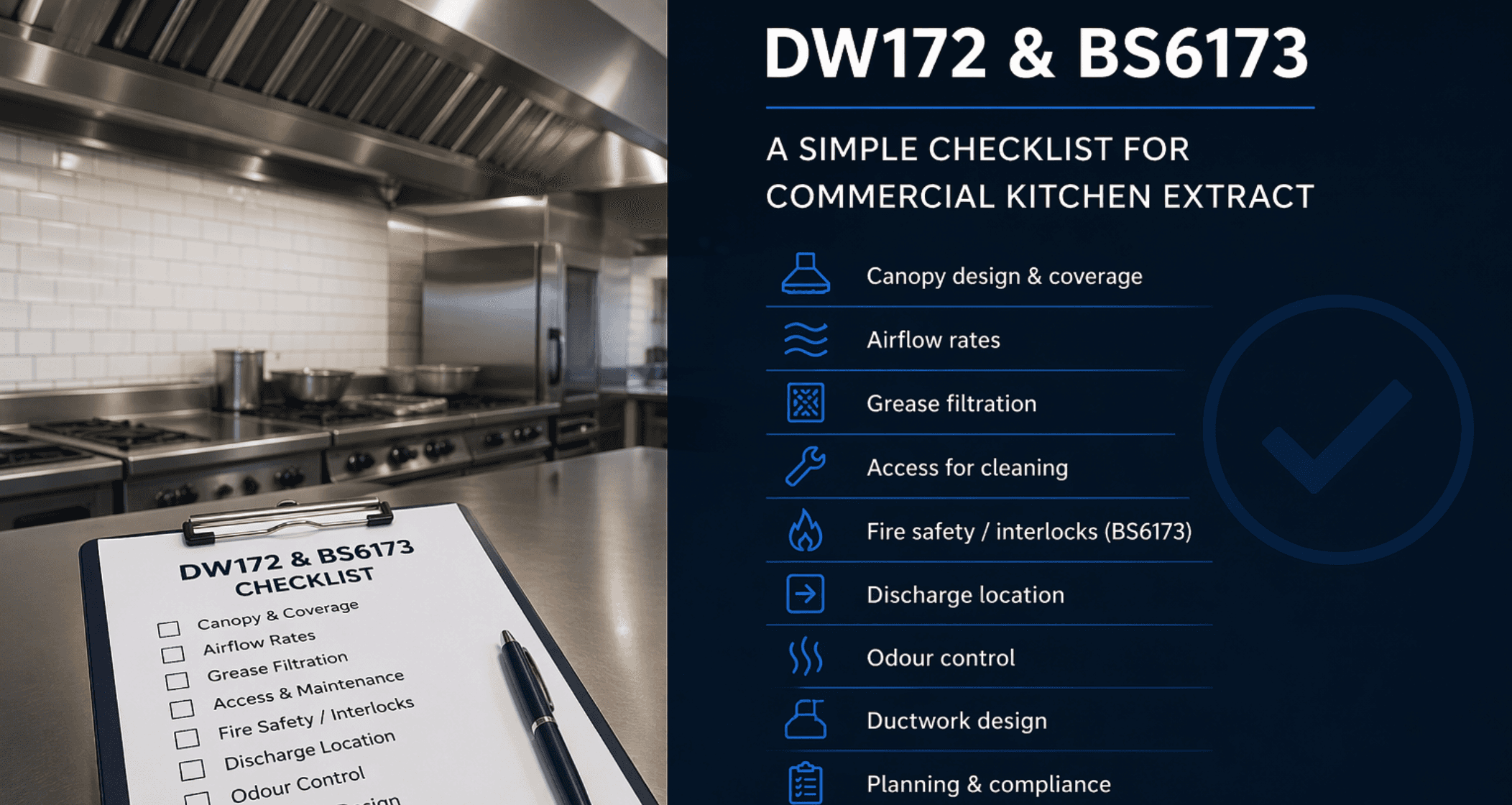
Verify airflow at the ESP and carbon modules, not just at the fan. Record ΔP across treatment stages and confirm door/airflow interlocks. Log discharge location/height and any sensitive receptors.
Maintenance that keeps you complaint‑free
Pre‑filters: weekly check; wash 1–4 weeks. ESP cells: clean 4–8 weeks depending on load. Carbon: change before breakthrough; maintain a logbook.
Troubleshooting quick wins
Restore design airflow; starved systems under‑perform on odour. Eliminate bypasses; reseat doors and replace worn gaskets. Add or expand carbon stage where dwell time is inadequate.
Need a plan? Book a free odour assessment and we’ll provide a written treatment proposal.

Emergency ESP Replacement Following Restaurant Fire
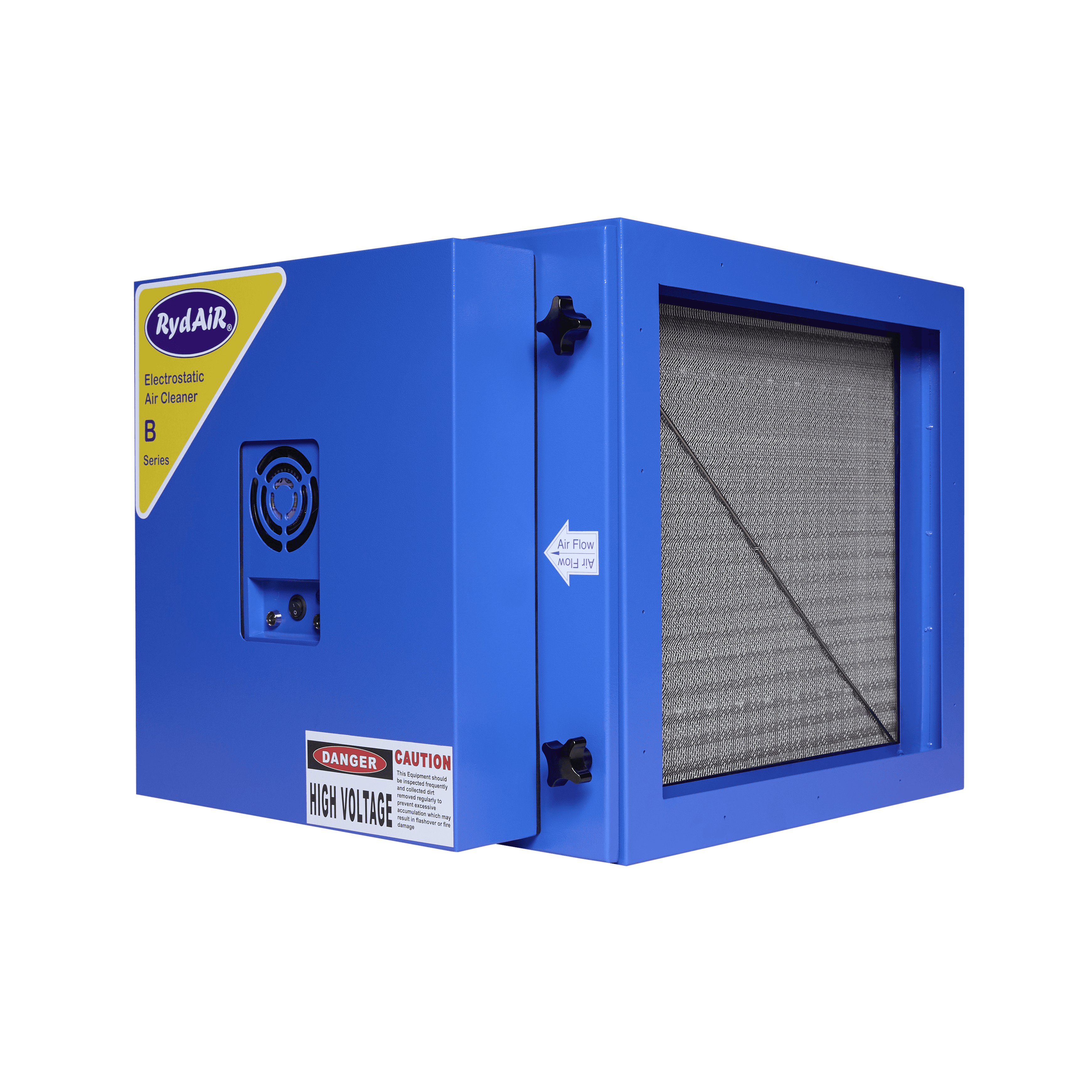
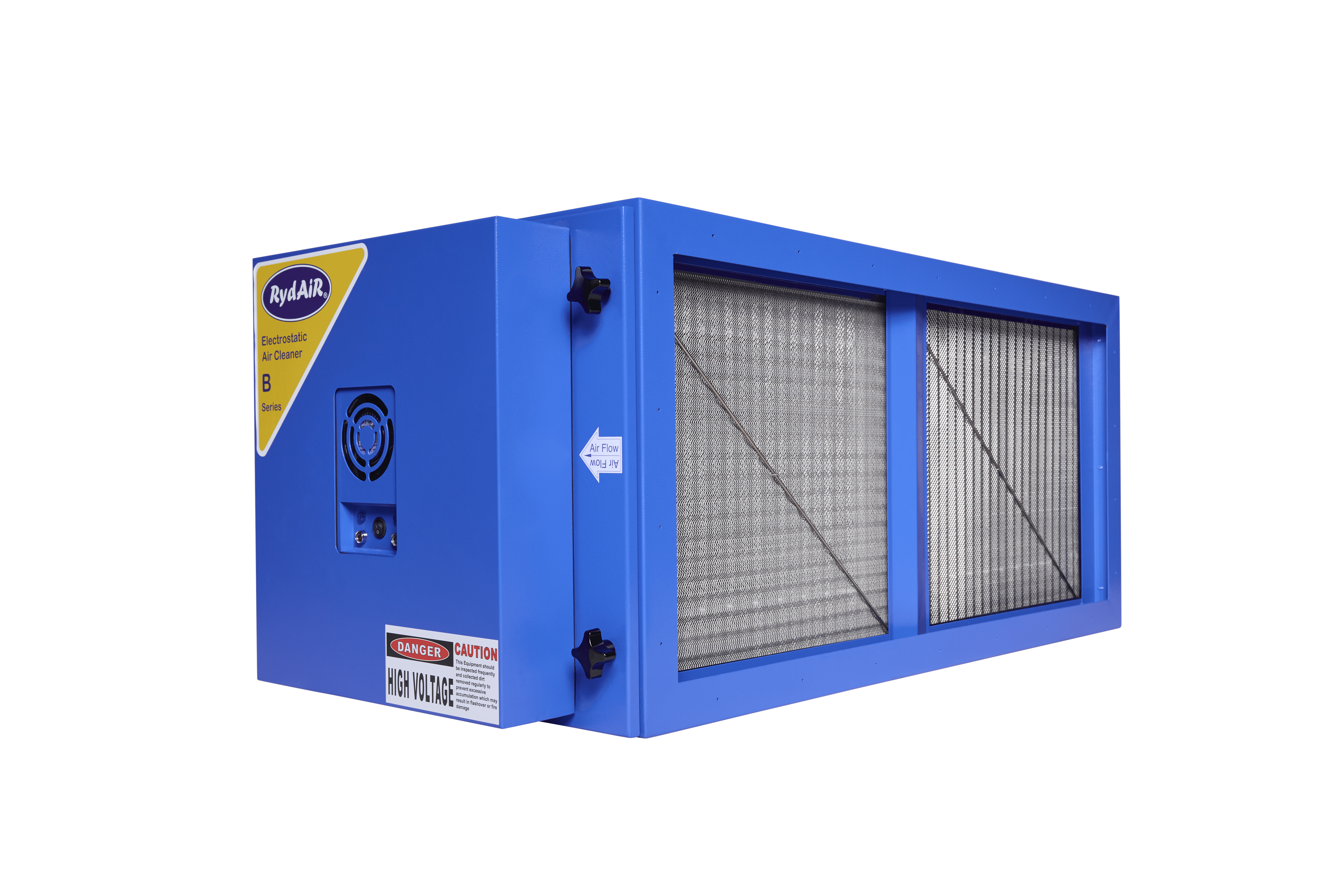
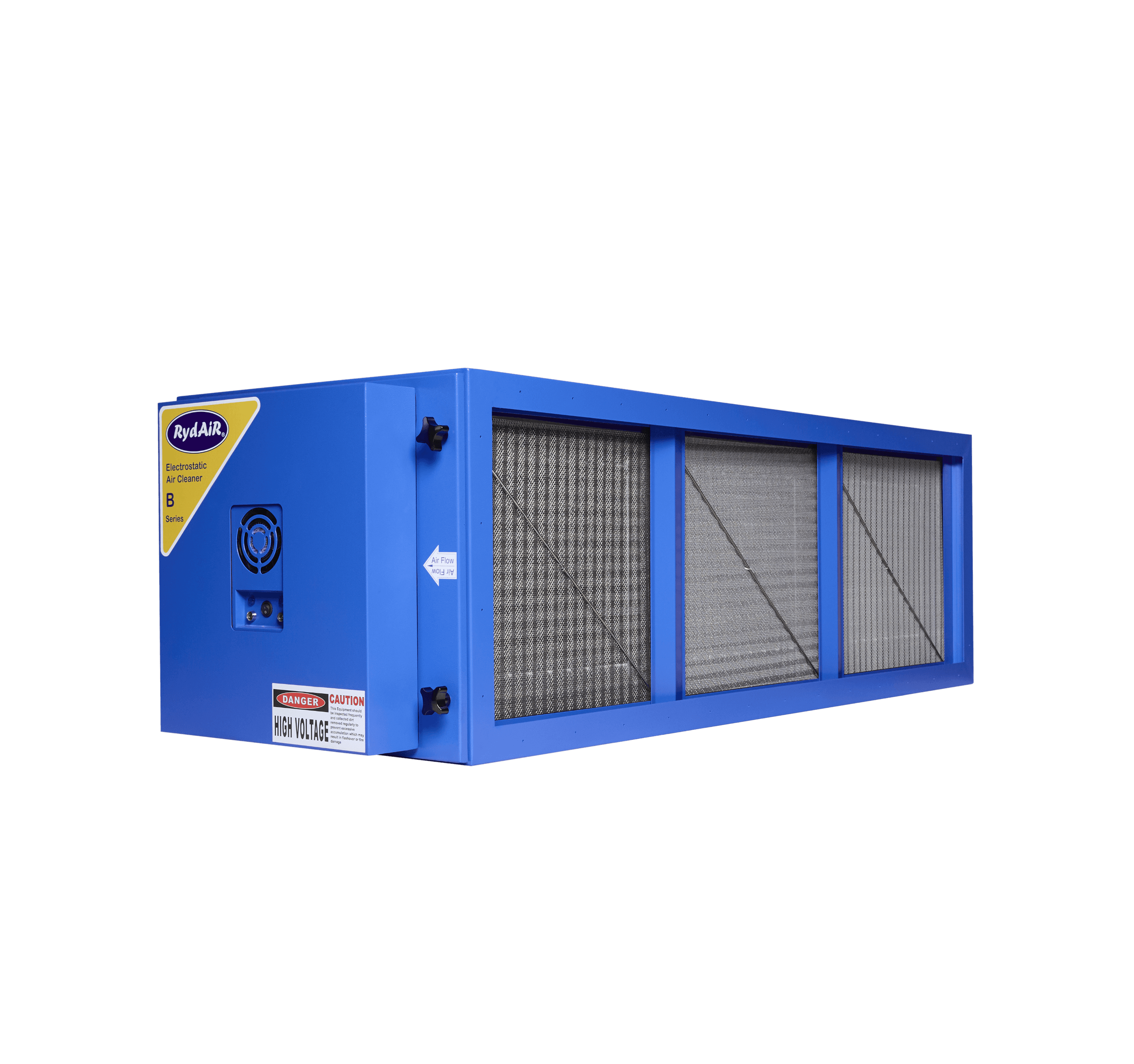
Emergency ESP Replacement Following Restaurant Fire Project Overview Extechnology was appointed to supply a rapid replacement ESP solution following a fire at a commercial restaurant kitchen. The fire had damaged the existing extraction and filtration equipment, leaving the restaurant unable to operate until the system was replaced. With business downtime directly affecting revenue and day-to-day operations, the project required a fast and straightforward solution that would allow the restaurant to reopen as quickly as possible. As the existing extract system had already been designed around a specific airflow requirement, the replacement ESP equipment needed to provide a like-for-like solution that could integrate easily into the existing setup without unnecessary redesign work or site modifications. The Challenge The restaurant required an urgent replacement of the damaged ESP equipment within a very short timeframe in order to minimise disruption to the business. Key challenges included: Rapid specification and supply of replacement ESP equipment Minimising operational downtime and financial losses Matching the existing airflow and system performance requirements Avoiding unnecessary ductwork or system alterations Supporting a fast-track installation and recommissioning programme With pressure to reopen quickly, maintaining speed throughout specification, processing and delivery was critical to the success of the project. The Solution Extechnology worked closely with the client and installation team to quickly identify a suitable like-for-like ESP replacement based on the existing system airflow and operational requirements. Using the original system information, the replacement ESP unit was selected to maintain the required airflow performance while integrating directly into the existing extraction arrangement. This simplified both specification and installation, avoiding delays associated with redesign or major system modifications. The focus throughout the project was to keep the process straightforward and efficient. Once the system requirements were confirmed, the replacement ESP equipment was rapidly processed and delivered within a short lead time to support the installation programme and help return the kitchen to operation as quickly as possible. Technology Used Like-for-like commercial kitchen Electrostatic Precipitator (ESP) Existing extraction system airflow configuration retained Washable ESP filtration technology for grease and smoke removal Compatible integration with existing ductwork and extraction layout Project Outcomes Rapid turnaround from enquiry to delivery Minimal downtime for the restaurant Fast-track installation and recommissioning Reduced disruption and business losses Successful reopening within a short timeframe Happy client and fully operational kitchen Consultant Notes The replacement ESP equipment was selected to match the airflow and operational characteristics of the original system, allowing the installation to proceed without significant modifications to the existing extract arrangement. By maintaining a like-for-like approach, the project avoided unnecessary complexity and enabled a faster overall delivery and installation programme, helping minimise disruption to the client’s business operations.
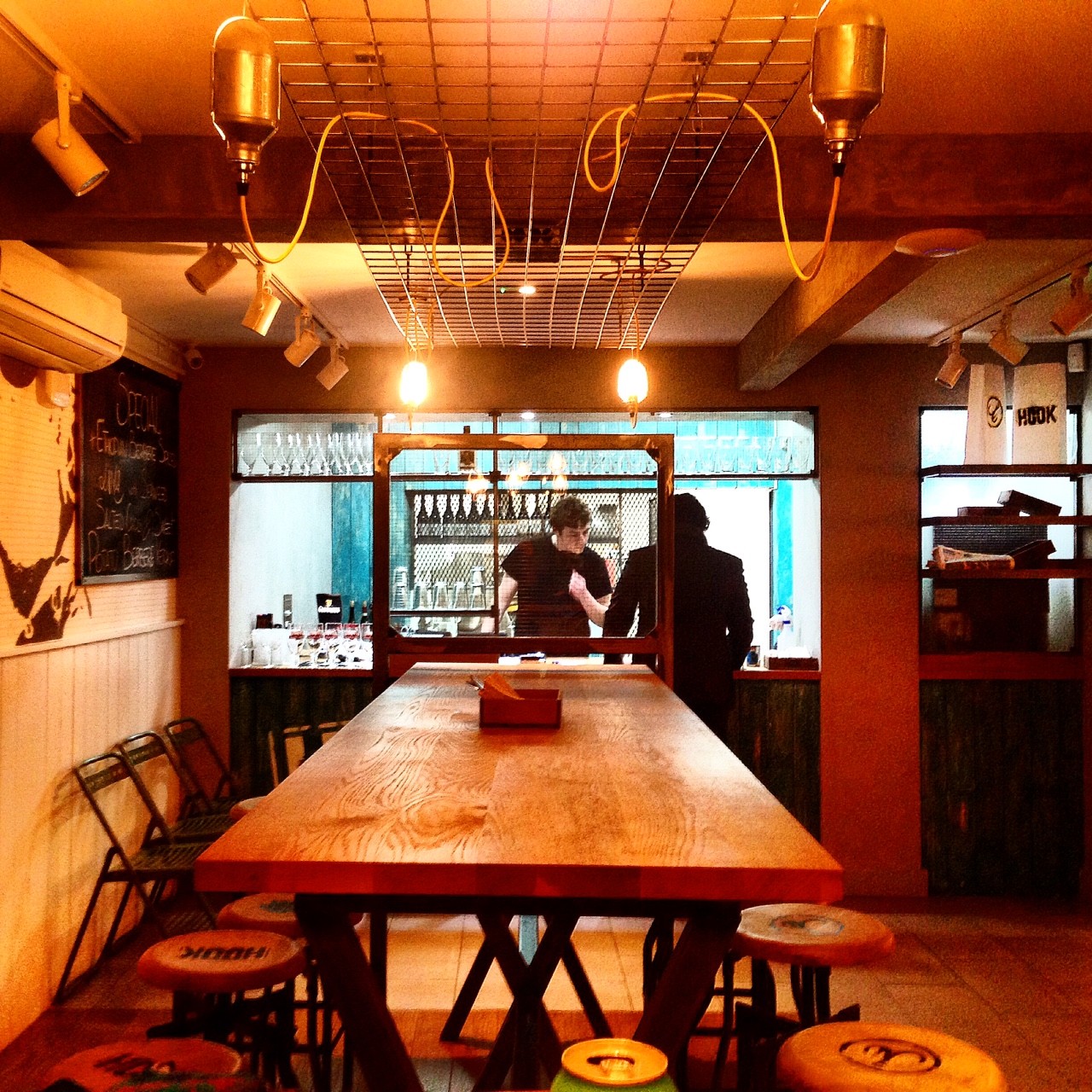
Hook, Camden Town
Extechnology delivered an odour control solution to support planning and neighbour acceptance while keeping pressure drops predictable.

Hoxton Hotel, Holborn
High‑efficiency ESP stages with low static and washable cells, supporting reliable operation and simplified servicing for a busy hospitality environment.