Industrial & Manufacturing
15 Feb 2026
Industrial Oil Mist Filtration: Reduce Downtime & Improve IAQ
A practical introduction to industrial oil mist filtration for manufacturers — how ESP and mechanical stages reduce downtime, protect machines and improve indoor air quality (IAQ).
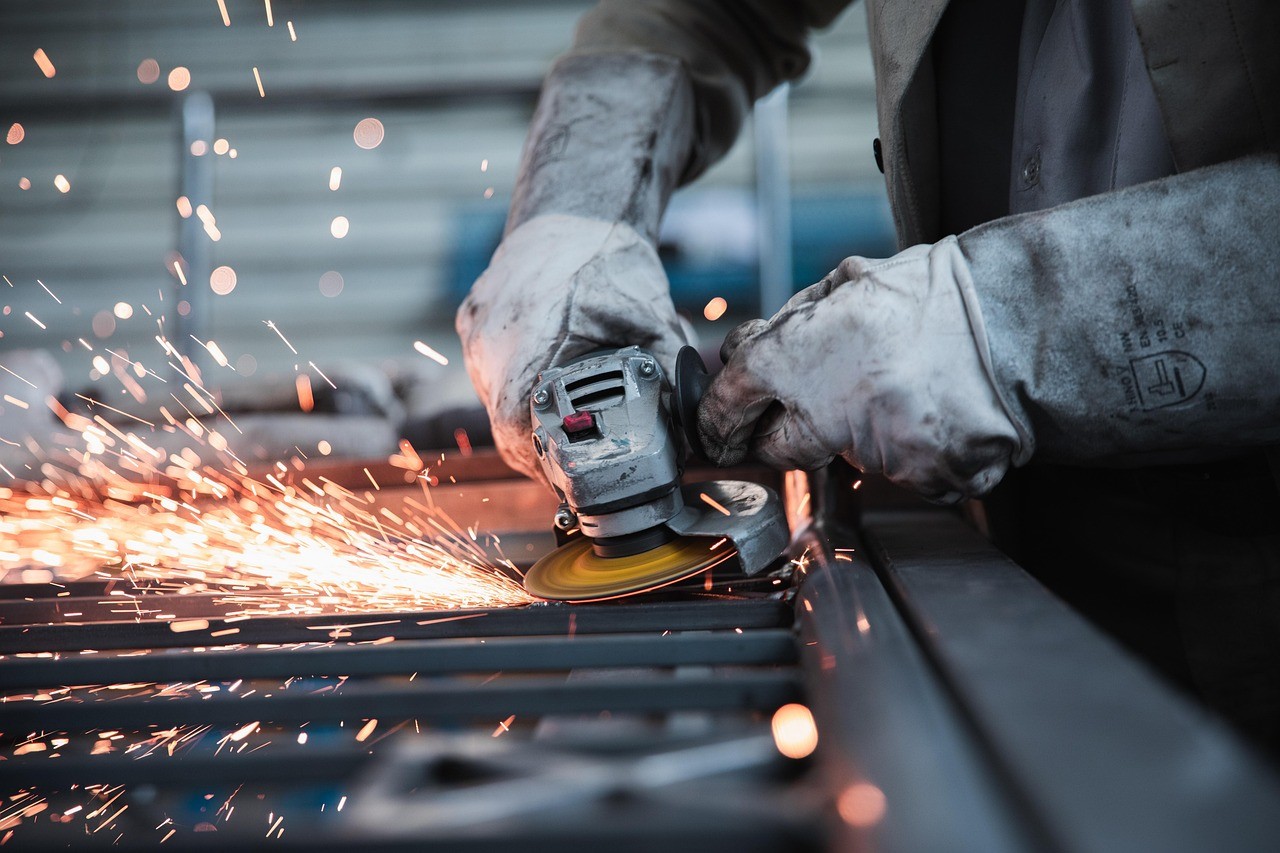
Oil mist is one of the most persistent air-quality challenges in manufacturing environments. Aerosolised coolant and fine oil droplets drift through production areas, coat machines and floors, trigger slip hazards, and degrade indoor air quality (IAQ). When left unmanaged, it leads to increased breakdowns, higher housekeeping costs and unnecessary call-outs.A well-designed combination of staged pre-filtration, ESP and optional HEPA captures these particles efficiently while keeping pressure drop low, ensuring both cleaner air and reliable production.
Where Oil Mist Comes From
Oil mist is a by-product of almost all high-speed metalworking processes. CNC machining, turning, grinding and forming operations generate heat, and coolant is used to manage lubrication and temperature. At high spindle speeds, these coolants atomise into droplets and sub-micron aerosols. Without effective extraction or recirculation filtration, these particles accumulate in the workspace, settle on equipment and enter operators’ breathing zones. The finer the particle, the longer it stays airborne - which is why simple mechanical filters often clog quickly and fail to control IAQ consistently.
System Building Blocks
A robust industrial oil mist system uses multiple stages, each handling a specific contamination load.
Pre-Filters
These catch larger droplets, swarf and bulk contaminants, preventing system overload. Proper pre-filtration protects ESP cells and keeps long-term pressure drop stable.
ESP Modules
Electrostatic precipitators capture fine aerosols with extremely low pressure drop, making them ideal for long-run systems or high-duty production lines. Fan or fanless modules can be used depending on whether the system is connected to existing ductwork or designed as a standalone recirculation unit.
HEPA
When air is being recirculated back into the workspace or when very fine particulate limits apply (e.g., precision manufacturing, sensitive processes, or strict HSE limits), a HEPA final stage ensures compliance. The upstream ESP protects the HEPA from overloading, extending filter life and keeping running costs manageable.
Drain / Collection
Recovered oil should be drained or piped back to a collection point. Proper drainage prevents pooling inside the filtration system and allows for clean reclamation where applicable.
Integration Tips
Good performance starts with correct integration into the production process.
Size systems to capture at source wherever possible - machine hoods, enclosures and localised arms provide the most effective control. For general room IAQ improvements, recirculation units with ESP + HEPA can maintain background air quality without modifying machinery. Use BMS connectivity or machine I/O to link run signals, fault outputs, and safety interlocks, ensuring filtration tracks machine operation. Plan for safe access so operators or FM teams can clean cells without extended stoppages. A well-designed install reduces downtime and keeps routine maintenance predictable.
Service Plan
Regular cleaning is essential to maintain low pressure drop and consistent capture efficiency.Routine washing of ESP cells and pre-filters prevents blockages, stabilises airflow and keeps fans running at lower energy.Maintenance logs support insurance, HSE compliance and machinery warranties, and they help demonstrate proactive IAQ management during audits.

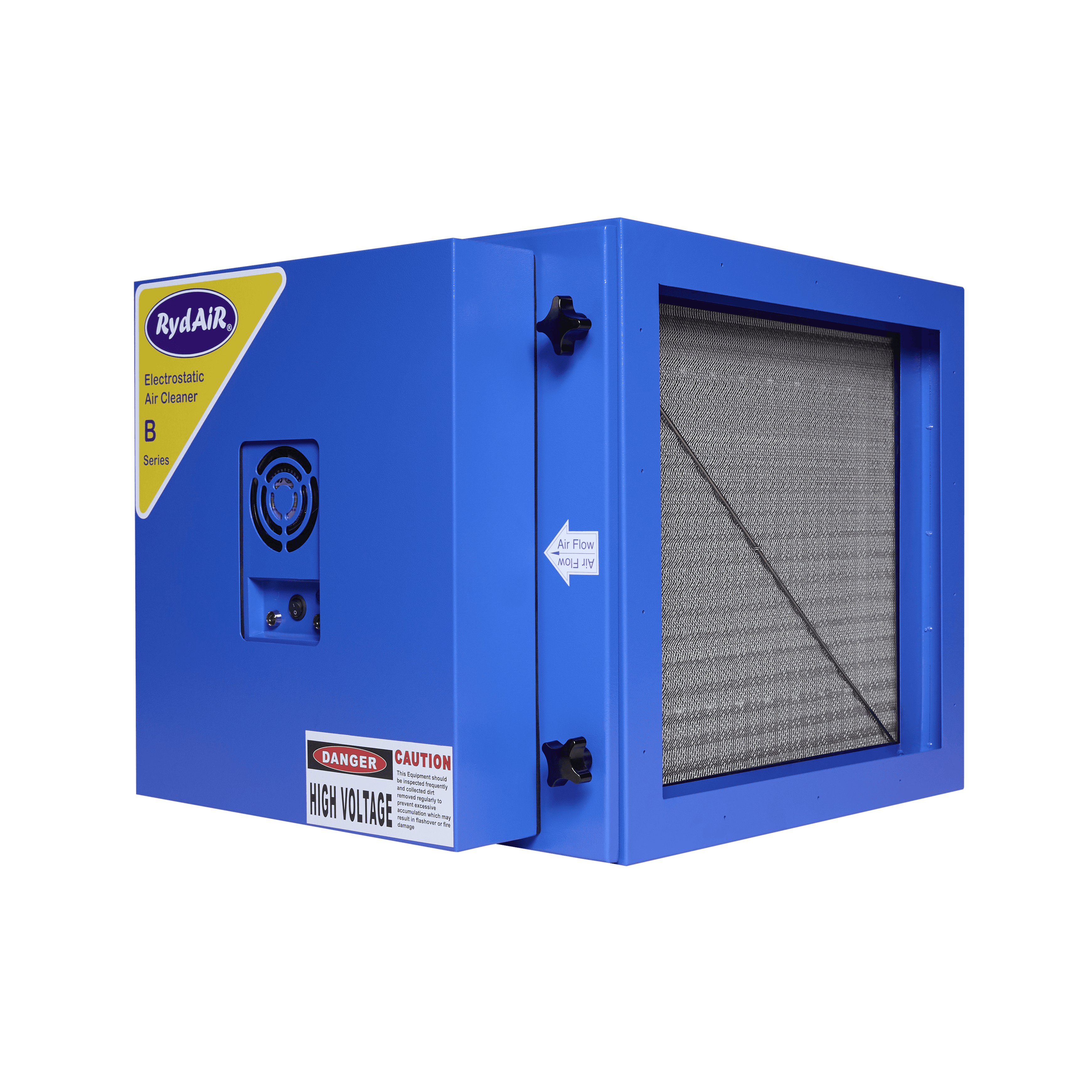
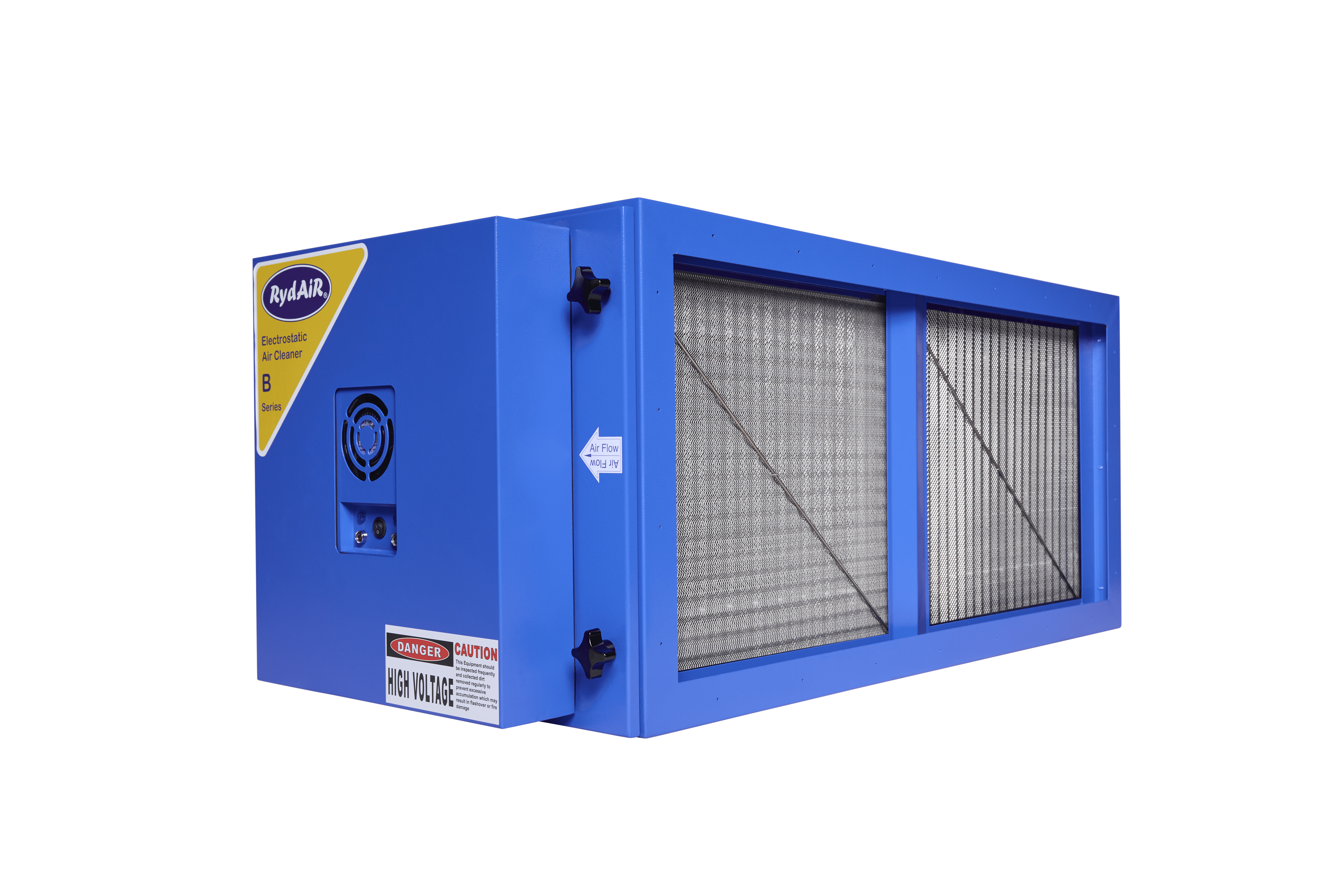
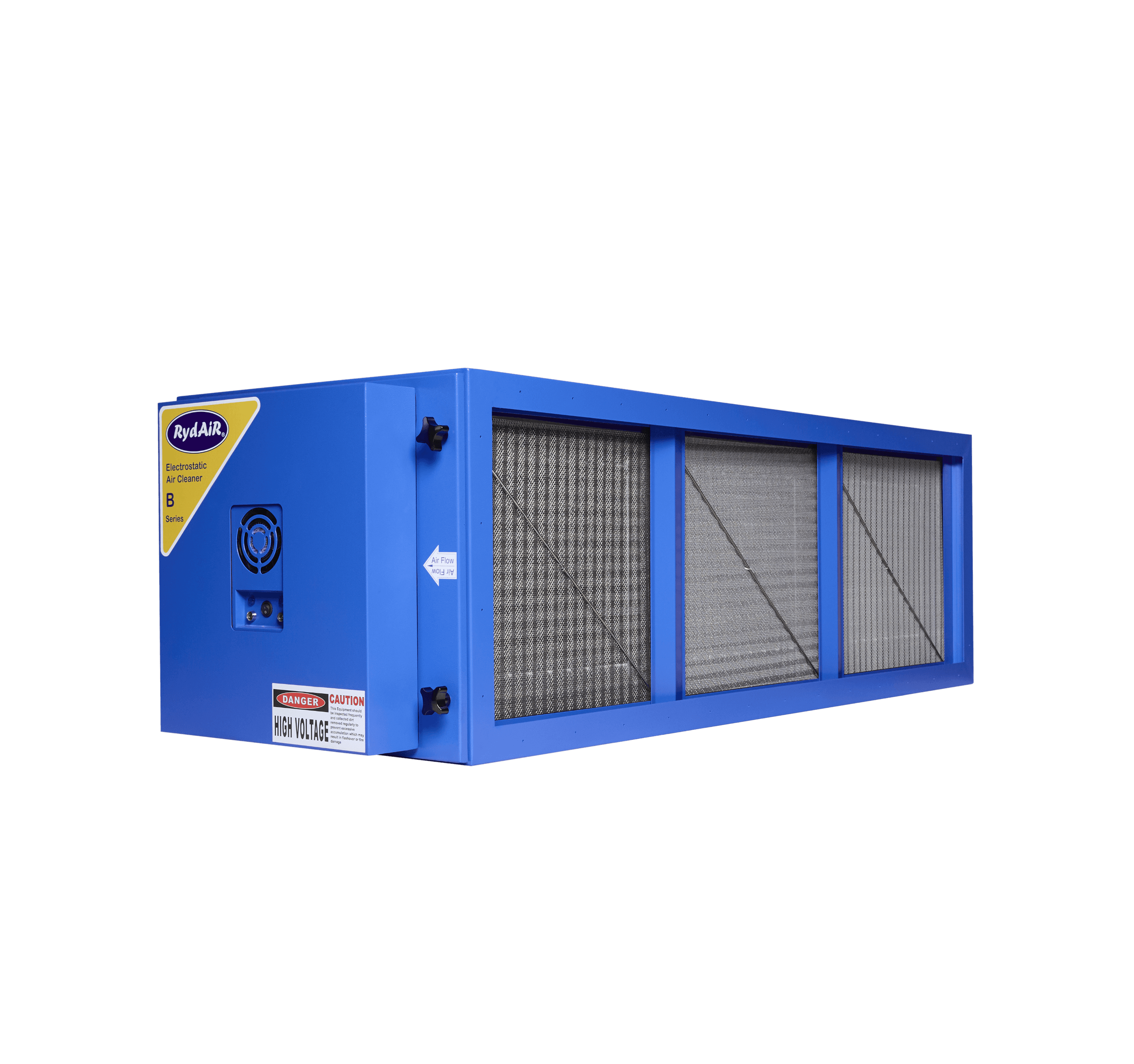
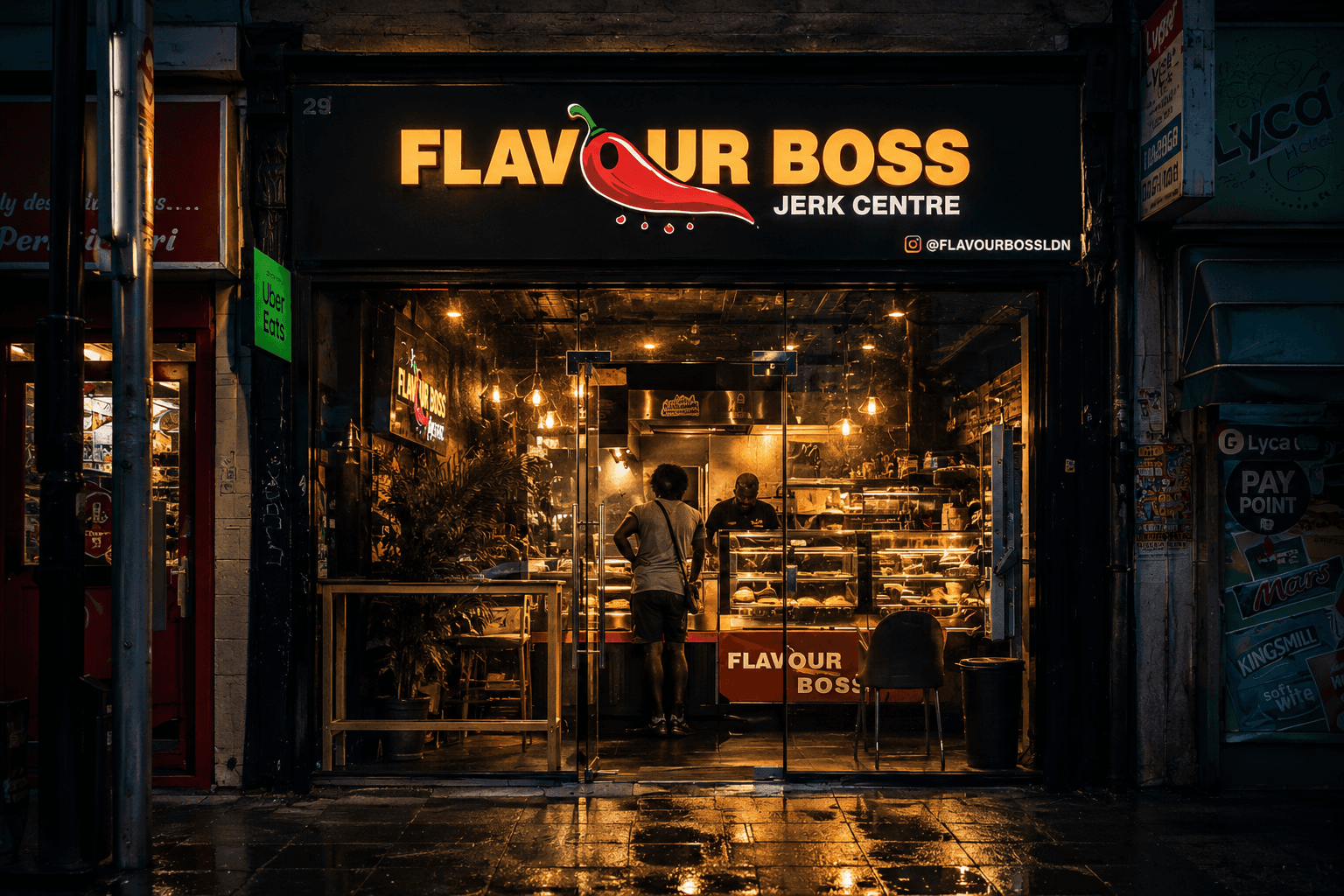
Emergency ESP Replacement Following Restaurant Fire
Emergency ESP Replacement Following Restaurant Fire Project Overview Extechnology was appointed to supply a rapid replacement ESP solution following a fire at a commercial restaurant kitchen. The fire had damaged the existing extraction and filtration equipment, leaving the restaurant unable to operate until the system was replaced. With business downtime directly affecting revenue and day-to-day operations, the project required a fast and straightforward solution that would allow the restaurant to reopen as quickly as possible. As the existing extract system had already been designed around a specific airflow requirement, the replacement ESP equipment needed to provide a like-for-like solution that could integrate easily into the existing setup without unnecessary redesign work or site modifications. The Challenge The restaurant required an urgent replacement of the damaged ESP equipment within a very short timeframe in order to minimise disruption to the business. Key challenges included: Rapid specification and supply of replacement ESP equipment Minimising operational downtime and financial losses Matching the existing airflow and system performance requirements Avoiding unnecessary ductwork or system alterations Supporting a fast-track installation and recommissioning programme With pressure to reopen quickly, maintaining speed throughout specification, processing and delivery was critical to the success of the project. The Solution Extechnology worked closely with the client and installation team to quickly identify a suitable like-for-like ESP replacement based on the existing system airflow and operational requirements. Using the original system information, the replacement ESP unit was selected to maintain the required airflow performance while integrating directly into the existing extraction arrangement. This simplified both specification and installation, avoiding delays associated with redesign or major system modifications. The focus throughout the project was to keep the process straightforward and efficient. Once the system requirements were confirmed, the replacement ESP equipment was rapidly processed and delivered within a short lead time to support the installation programme and help return the kitchen to operation as quickly as possible. Technology Used Like-for-like commercial kitchen Electrostatic Precipitator (ESP) Existing extraction system airflow configuration retained Washable ESP filtration technology for grease and smoke removal Compatible integration with existing ductwork and extraction layout Project Outcomes Rapid turnaround from enquiry to delivery Minimal downtime for the restaurant Fast-track installation and recommissioning Reduced disruption and business losses Successful reopening within a short timeframe Happy client and fully operational kitchen Consultant Notes The replacement ESP equipment was selected to match the airflow and operational characteristics of the original system, allowing the installation to proceed without significant modifications to the existing extract arrangement. By maintaining a like-for-like approach, the project avoided unnecessary complexity and enabled a faster overall delivery and installation programme, helping minimise disruption to the client’s business operations.
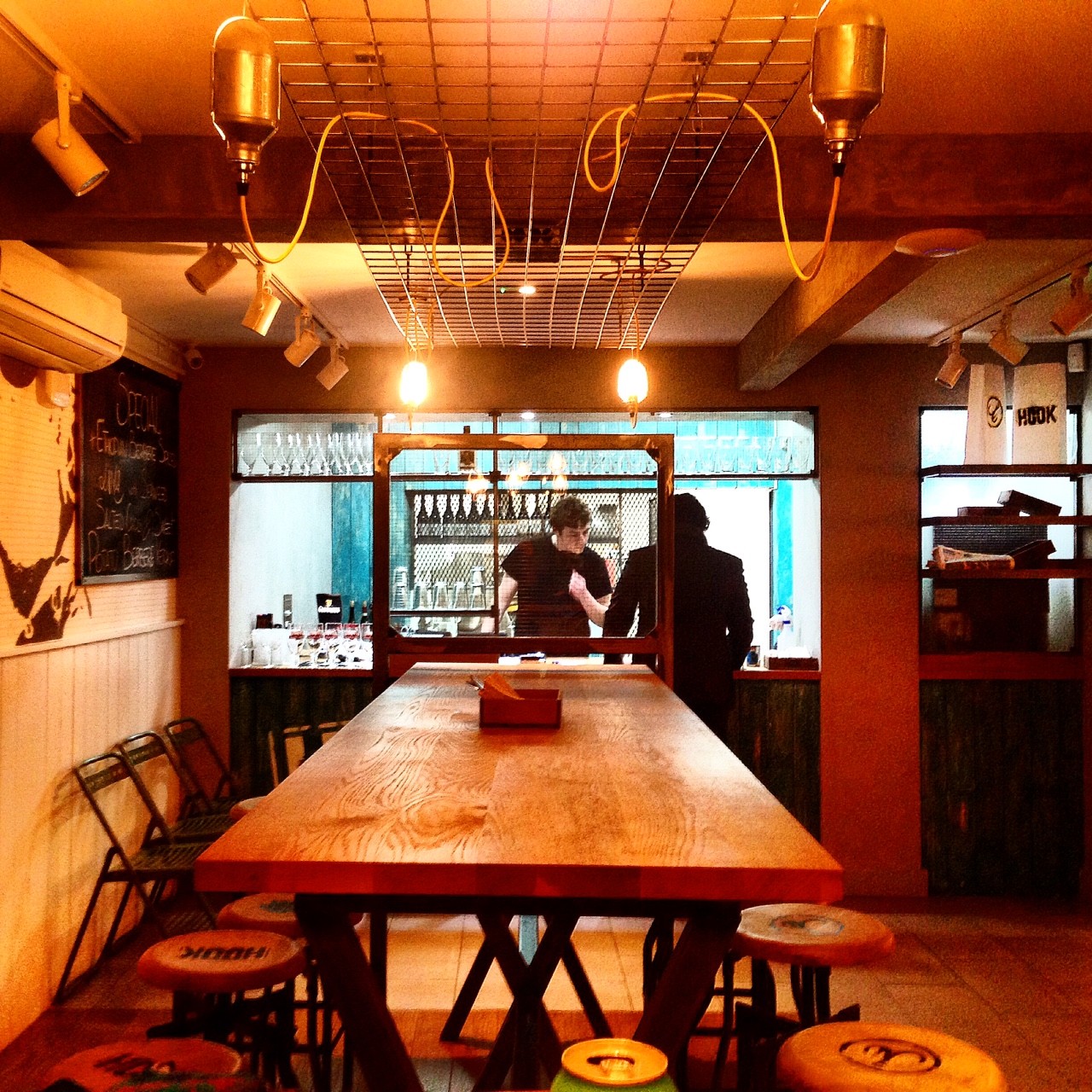
Hook, Camden Town
Extechnology delivered an odour control solution to support planning and neighbour acceptance while keeping pressure drops predictable.

Hoxton Hotel, Holborn
High‑efficiency ESP stages with low static and washable cells, supporting reliable operation and simplified servicing for a busy hospitality environment.